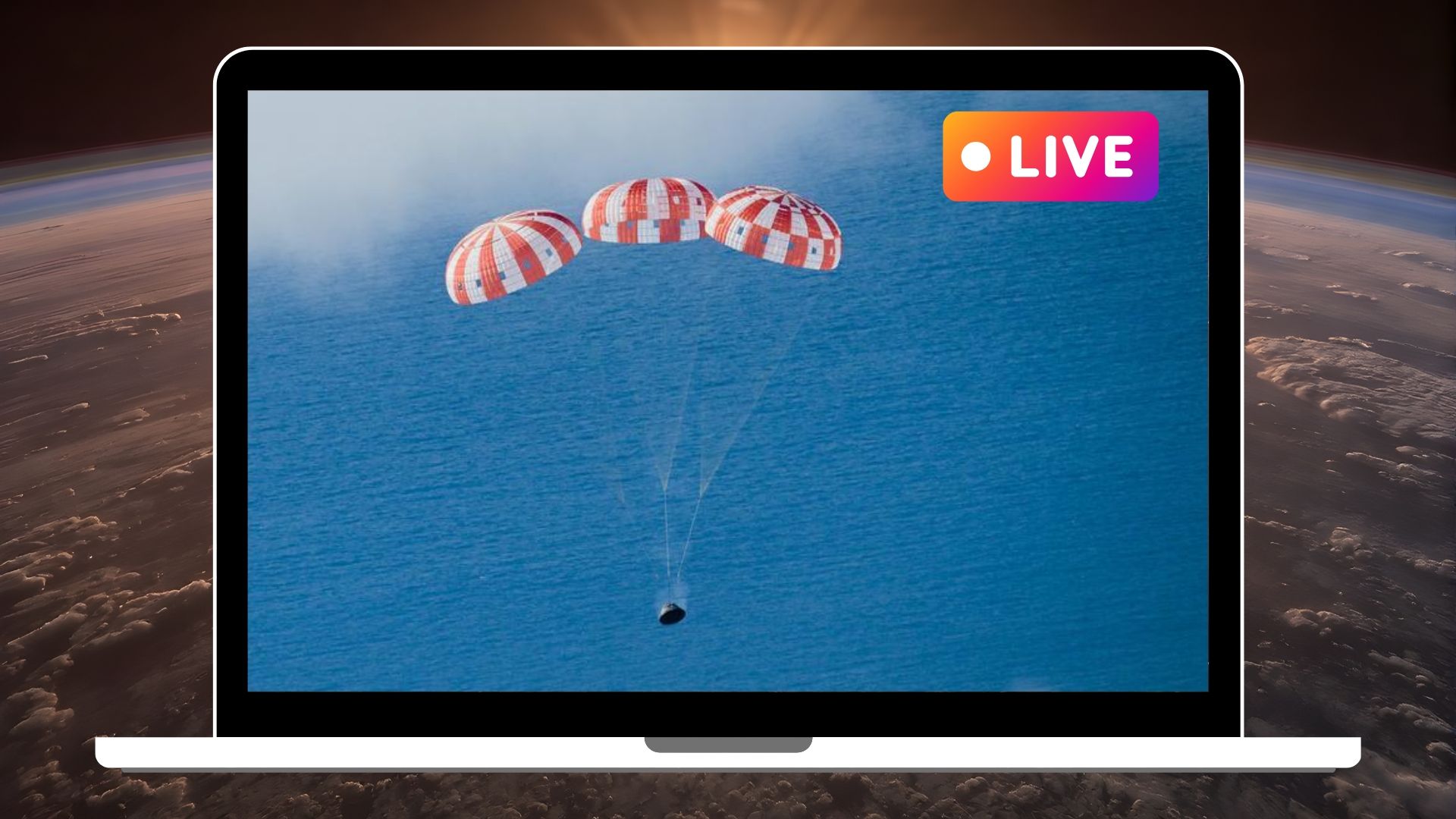
Artemis 2 Astronauts Return to Earth After 10-Day Lunar Mission
The Gist
NASA's Artemis 2 mission concludes with a splashdown off the California coast, marking the first crewed lunar journey in over 50 years.
Explain Like I'm Five
"Imagine a spaceship going super fast around the moon and then splashing back into the ocean! These astronauts are like explorers coming home after a big adventure."
Deep Intelligence Analysis
Transparency: This analysis was generated by an AI model to provide an objective assessment of the provided news article. The AI model has been trained to avoid bias and provide factual information. However, as with any AI model, there is a possibility of errors or omissions. The user is advised to verify the information with other sources before making any decisions based on this analysis.
_Context: This intelligence report was compiled by the DailyOrbitalWire Strategy Engine. Verified for Art. 50 Compliance._
Impact Assessment
The successful return of Artemis 2 astronauts validates the Orion capsule's design and heat shield capabilities. This mission is a crucial step towards NASA's goal of returning humans to the lunar surface with Artemis 4.
Read Full Story on Space.comKey Details
- ● Artemis 2's splashdown occurred on April 10 at approximately 8:07 p.m. EDT (0007 GMT on April 11).
- ● The Orion capsule re-entered Earth's atmosphere at speeds up to 24,000 mph (38,600 kph).
- ● The capsule endured temperatures up to 5,000 degrees Fahrenheit (2,760 degrees Celsius) during its 13-minute descent.
- ● The crew was recovered by the USS John Murtha.
Optimistic Outlook
The Artemis program's progress signals renewed international collaboration and investment in space exploration. Future Artemis missions could unlock further scientific discoveries and establish a sustainable lunar presence, fostering technological advancements and economic opportunities.
Pessimistic Outlook
Delays or technical issues with future Artemis missions could undermine public support and strain international partnerships. The high cost of the program raises concerns about long-term funding and resource allocation.

The Signal, Not
the Noise|
Get the week's top 1% of space-tech intelligence synthesized into a 5-minute read. Join 25,000+ aerospace insiders.
Unsubscribe anytime. No spam, ever.