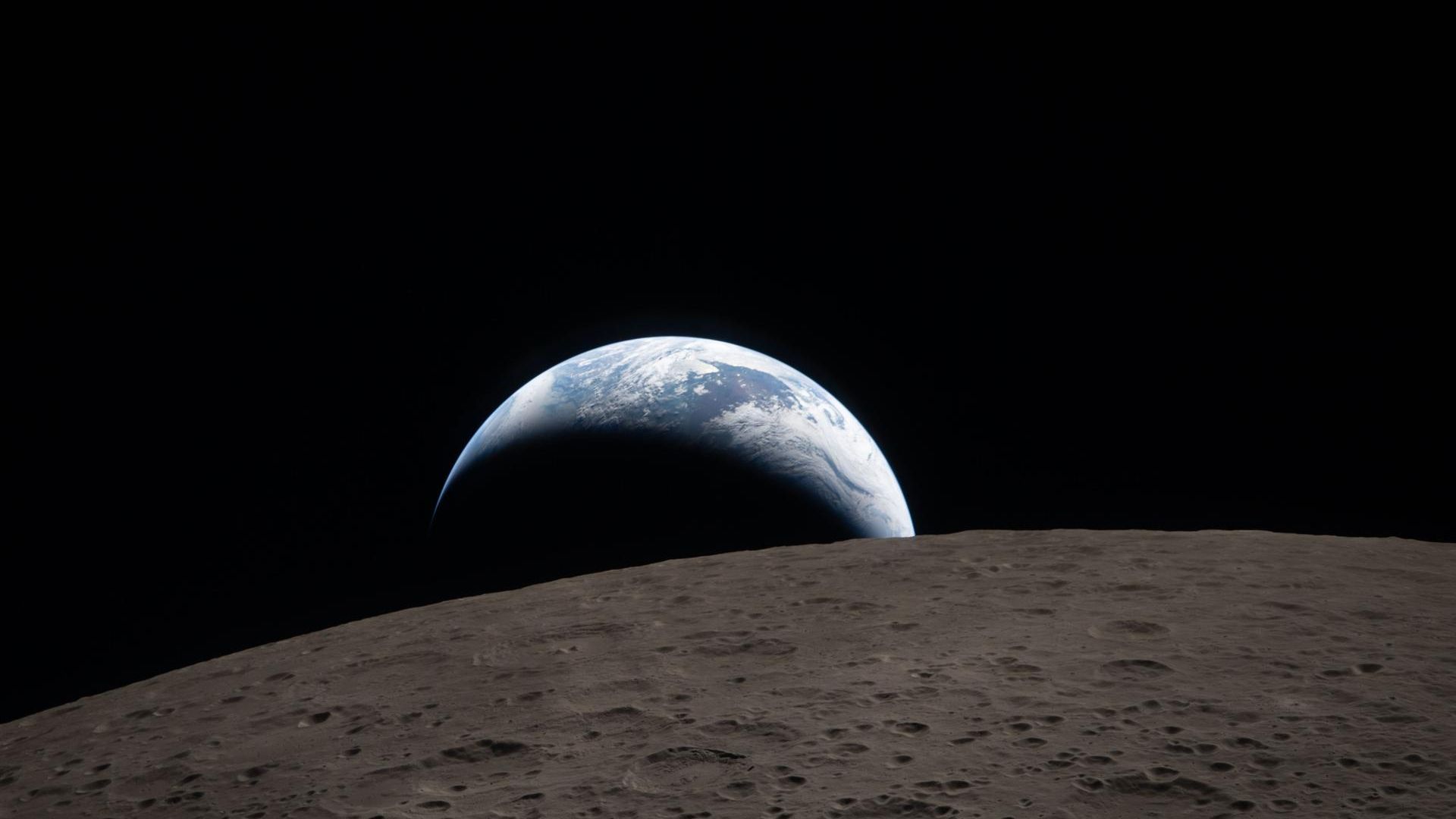
Artemis 2 Captures Historic 'Earthset' Photo During Lunar Flyby
The Gist
Artemis 2 crew captured a spectacular 'Earthset' photo from their Orion spacecraft during their lunar flyby on Flight Day 6.
Explain Like I'm Five
"Imagine you're on the Moon, and you see Earth setting like the sun! The Artemis 2 astronauts took a picture of it, and it's super cool because it shows how small and beautiful our planet is from far away."
Deep Intelligence Analysis
Beyond the aesthetic value, the mission's planned communication blackout serves as a reminder of the logistical and technological challenges inherent in deep space travel. Maintaining consistent communication is crucial for mission safety and success, and addressing these challenges will be paramount for future Artemis missions and the establishment of a sustainable lunar presence. The Artemis program, with its ambitious goals of scientific discovery, economic benefits, and laying the groundwork for crewed missions to Mars, relies heavily on overcoming these technological hurdles.
The 'Earthset' photo, therefore, represents both a triumph of human ingenuity and a reminder of the ongoing challenges in pushing the boundaries of space exploration. It serves as a powerful symbol of the Artemis program's potential to inspire future generations and advance our understanding of the universe.
_Context: This intelligence report was compiled by the DailyOrbitalWire Strategy Engine. Verified for Art. 50 Compliance._
Impact Assessment
The 'Earthset' photo provides a stunning visual reminder of Earth's beauty and fragility from a lunar perspective. It evokes the iconic Apollo 8 'Earthrise' image, inspiring future generations of space explorers.
Read Full Story on Space.comKey Details
- ● The photo was taken at 6:41 p.m. EDT on April 6, 2026.
- ● The photo shows a crescent of Earth illuminated by sunlight, with white clouds over Australia and Oceania.
- ● The photo reveals the 40-mile-wide Ohm Crater on the moon's surface.
Optimistic Outlook
The successful capture of the 'Earthset' photo demonstrates the advanced capabilities of the Orion spacecraft and the Artemis program. This bodes well for future lunar missions and the establishment of a long-term human presence on the Moon.
Pessimistic Outlook
The mission experienced a planned 40-minute communications blackout, highlighting the challenges of maintaining reliable communication during deep space missions. Such communication gaps could pose risks in emergency situations.

The Signal, Not
the Noise|
Get the week's top 1% of space-tech intelligence synthesized into a 5-minute read. Join 25,000+ aerospace insiders.
Unsubscribe anytime. No spam, ever.