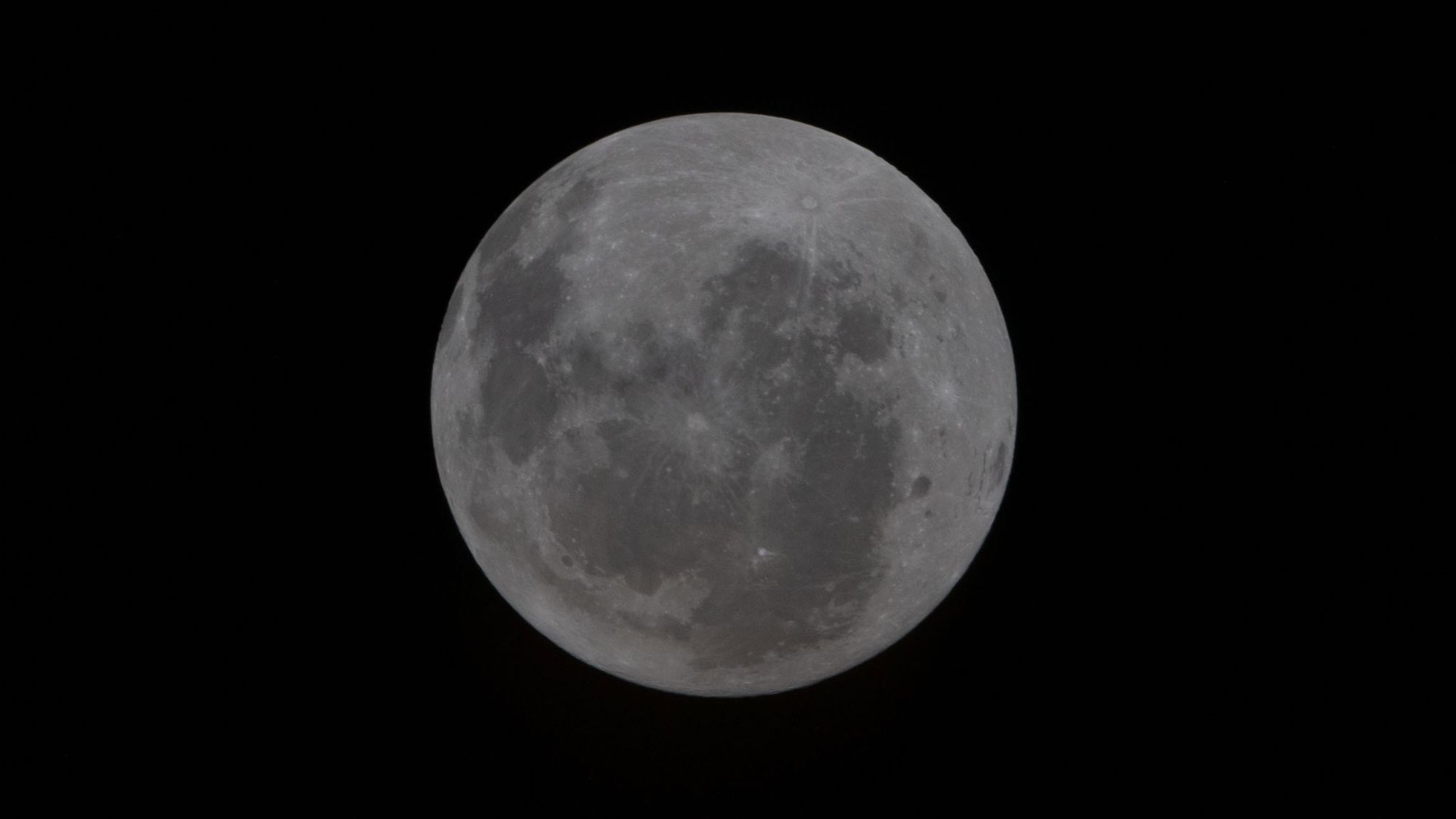
Artemis 2 Crew Observes Lunar Surface, Reports 'Moon Joy'
The Gist
Artemis 2 astronauts observed the moon, expressing excitement and providing detailed reports on lunar features.
Explain Like I'm Five
"Imagine astronauts flying around the moon and seeing it super close for the first time in a long time! They're telling scientists what they see, like big holes and bright spots, to help us learn more about the moon."
Deep Intelligence Analysis
_Context: This intelligence report was compiled by the DailyOrbitalWire Strategy Engine. Verified for Art. 50 Compliance._
Impact Assessment
The Artemis 2 mission marks the first time in over 53 years that astronauts have seen the moon from such close proximity. Their observations are crucial for refining scientific understanding of the lunar surface and planning future missions.
Read Full Story on Space.comKey Details
- ● The Artemis 2 crew observed the moon two days before their flyby.
- ● Christina Koch described the view as 'phenomenal'.
- ● Reid Wiseman identified craters like Tycho, Copernicus, and Rainer.
- ● The crew observed the Orientale Basin with the naked eye.
- ● Observations included the terminator line and brightness variations.
Optimistic Outlook
The crew's detailed observations will enhance lunar science and inform future Artemis missions. The positive experience reported by the crew bodes well for the program's continued success and inspires further exploration.
Pessimistic Outlook
While the initial observations are promising, the long-term success of the Artemis program depends on overcoming technical and logistical challenges. Any unforeseen issues could delay or hinder future lunar missions.

The Signal, Not
the Noise|
Get the week's top 1% of space-tech intelligence synthesized into a 5-minute read. Join 25,000+ aerospace insiders.
Unsubscribe anytime. No spam, ever.