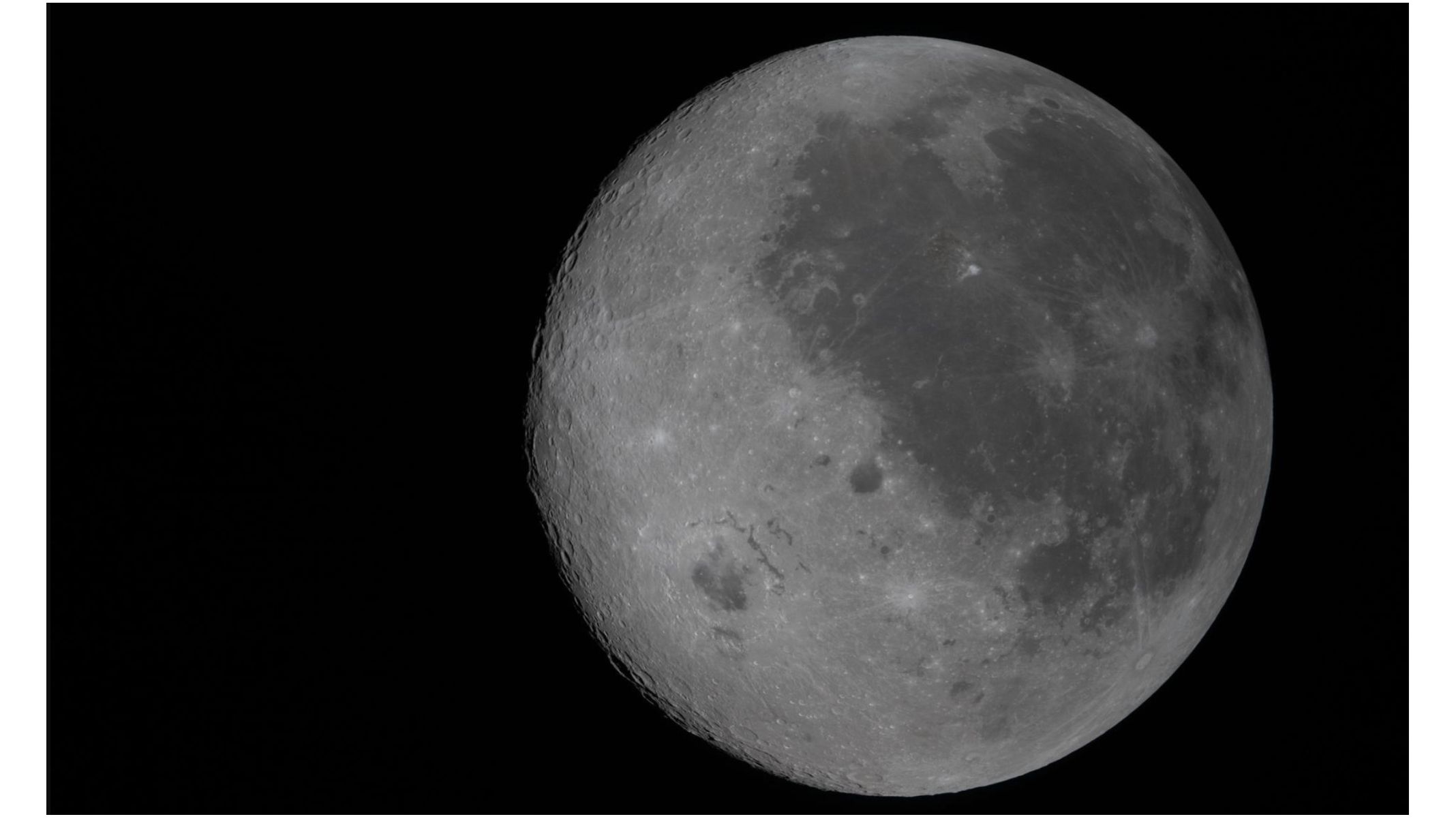
Artemis 2 Astronauts Complete Record-Breaking Lunar Flyby
The Gist
Artemis 2 successfully looped around the far side of the moon, setting a new human distance record from Earth.
Explain Like I'm Five
"Imagine taking a super-fast trip around the moon! Astronauts on Artemis 2 did just that, going farther away from Earth than anyone has in a long time. They looked at the moon really closely to help us learn more about it."
Deep Intelligence Analysis
The mission's trajectory, a 'free return' loop around the Moon, provided unprecedented views of the lunar far side, an area relatively unexplored by human eyes. This unique perspective allows scientists to analyze the lunar surface in detail, potentially identifying areas of interest for future landing sites and resource extraction. The data collected will be crucial for planning future crewed missions to the Moon, including the selection of landing sites and the development of in-situ resource utilization (ISRU) strategies.
Furthermore, Artemis 2's record-breaking distance from Earth underscores the growing capabilities of human spaceflight. The mission's success demonstrates the viability of the Orion capsule for deep-space travel, paving the way for future missions to Mars and beyond. The Artemis program, as a whole, aims to establish a sustainable human presence on the Moon, serving as a stepping stone for more ambitious interplanetary endeavors. The success of Artemis 2 is a critical milestone in achieving this long-term vision.
*Transparency Footnote: This analysis was generated by an AI model to provide an objective assessment of the provided news article. While efforts have been made to ensure accuracy, the AI's analysis should be considered as one perspective among many. The AI is continuously learning and improving, but its analysis may contain errors or omissions.*
_Context: This intelligence report was compiled by the DailyOrbitalWire Strategy Engine. Verified for Art. 50 Compliance._
Impact Assessment
The Artemis 2 flyby provides unprecedented views of the lunar surface, offering valuable data for future crewed missions. The mission also marks a significant step in returning humans to the Moon and pushing the boundaries of space exploration.
Read Full Story on Space.comKey Details
- ● Artemis 2 reached a maximum distance of 252,756 miles (406,771 km) from Earth.
- ● The mission surpassed the previous human distance record set by Apollo 13 in 1970 (248,655 miles).
- ● The lunar flyby began when Integrity was approximately 10,700 miles (17,220 km) from the lunar surface.
- ● Artemis 2 is the first mission to send astronauts beyond low Earth orbit (LEO) since Apollo 17 in 1972.
Optimistic Outlook
The success of Artemis 2 validates the Orion capsule's capabilities for deep-space travel. Future Artemis missions can leverage this data to refine lunar landing strategies and resource utilization plans, accelerating the establishment of a sustainable lunar presence.
Pessimistic Outlook
While successful, Artemis 2's flyby highlights the inherent risks of deep-space missions. Delays or unforeseen technical challenges in subsequent Artemis missions could impact the long-term goals of lunar exploration and resource exploitation.

The Signal, Not
the Noise|
Get the week's top 1% of space-tech intelligence synthesized into a 5-minute read. Join 25,000+ aerospace insiders.
Unsubscribe anytime. No spam, ever.