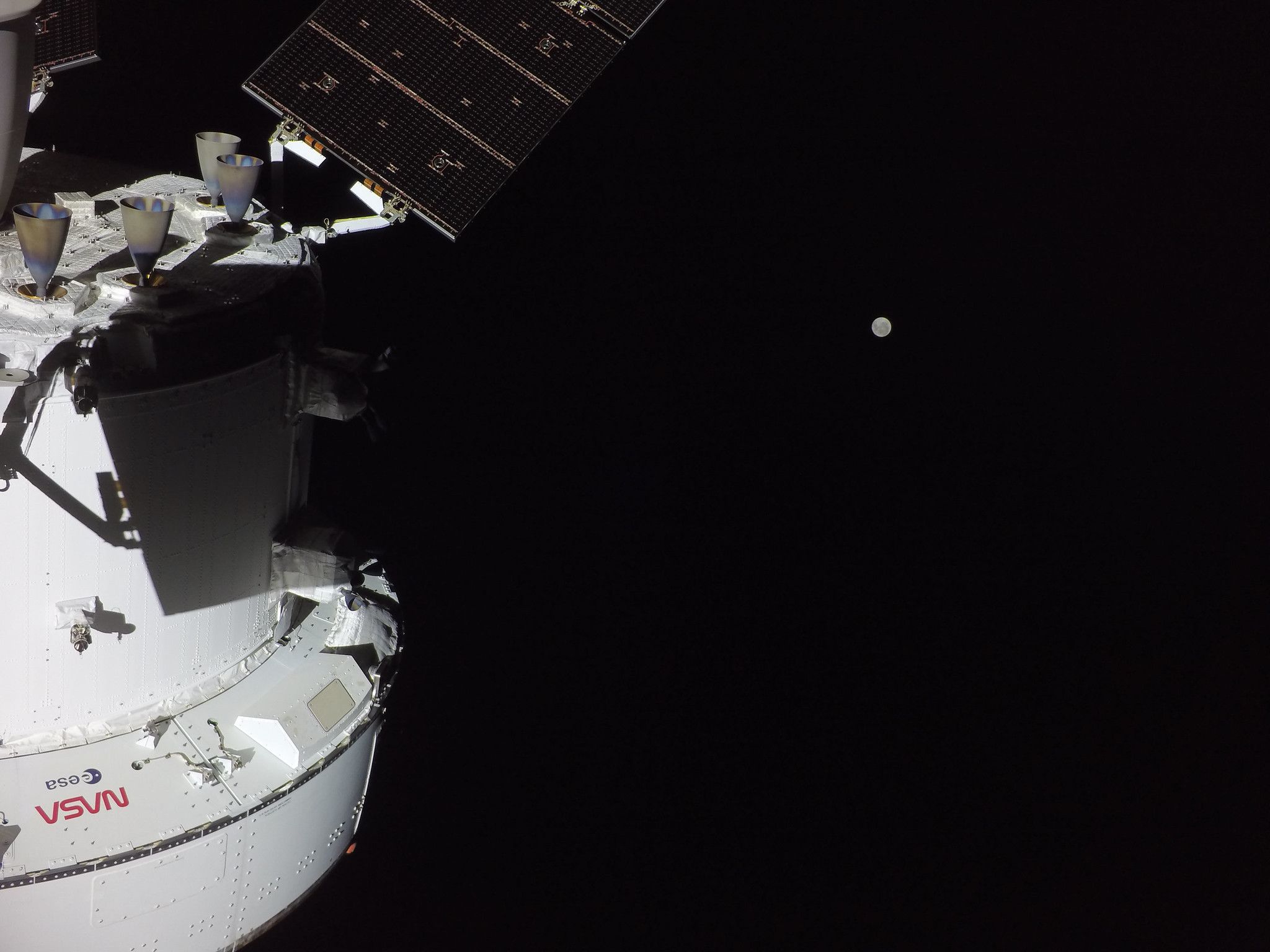
Artemis 2 Astronauts Commence Historic Moon Flyby
The Gist
Artemis 2 astronauts are undertaking a seven-hour lunar flyby, marking humanity's closest encounter with the moon in over 50 years.
Explain Like I'm Five
"Imagine a car trip to the moon! These astronauts are taking a quick peek, flying around the moon to see what it looks like and learn more about it before we go back to stay!"
Deep Intelligence Analysis
The seven-hour observation period will allow the crew to study both the near and far sides of the moon, including regions never before seen by human eyes. This includes potential observation of the lunar poles, areas of interest due to the possibility of water ice deposits. The data collected will inform future landing site selection and resource utilization strategies.
However, the mission is not without its risks. The temporary loss of signal during the flyby highlights the challenges of communication in deep space. Furthermore, any unforeseen system malfunctions could jeopardize the mission's objectives and potentially delay future Artemis endeavors. The success of Artemis 2 is crucial for maintaining momentum in the Artemis program and realizing the long-term goal of establishing a sustainable human presence on the moon.
_Context: This intelligence report was compiled by the DailyOrbitalWire Strategy Engine. Verified for Art. 50 Compliance._
Impact Assessment
This mission represents a significant step in NASA's return to the moon, providing valuable data and experience for future lunar missions. The flyby allows for observation of lunar features not seen by previous Apollo missions, including the poles of the far side.
Read Full Story on Space.comKey Details
- ● The Artemis 2 mission involves a seven-hour flyby of the moon on April 6.
- ● The Orion spacecraft will surpass the Apollo 13 distance record, exceeding 248,655 miles from Earth.
- ● Closest approach to the moon will be approximately 4,070 miles.
- ● The crew will observe both near and far sides of the moon, with 35 targets for 10 science objectives.
Optimistic Outlook
The Artemis 2 flyby offers a unique opportunity to gather scientific data and test spacecraft systems in preparation for future crewed lunar landings. Successful completion will bolster confidence in the Orion spacecraft and the overall Artemis program, paving the way for sustained lunar exploration and potential resource utilization.
Pessimistic Outlook
Loss of signal during the flyby presents a potential risk, albeit temporary. Any unforeseen technical issues during the mission could delay future Artemis missions and impact the long-term goals of lunar exploration.

The Signal, Not
the Noise|
Get the week's top 1% of space-tech intelligence synthesized into a 5-minute read. Join 25,000+ aerospace insiders.
Unsubscribe anytime. No spam, ever.