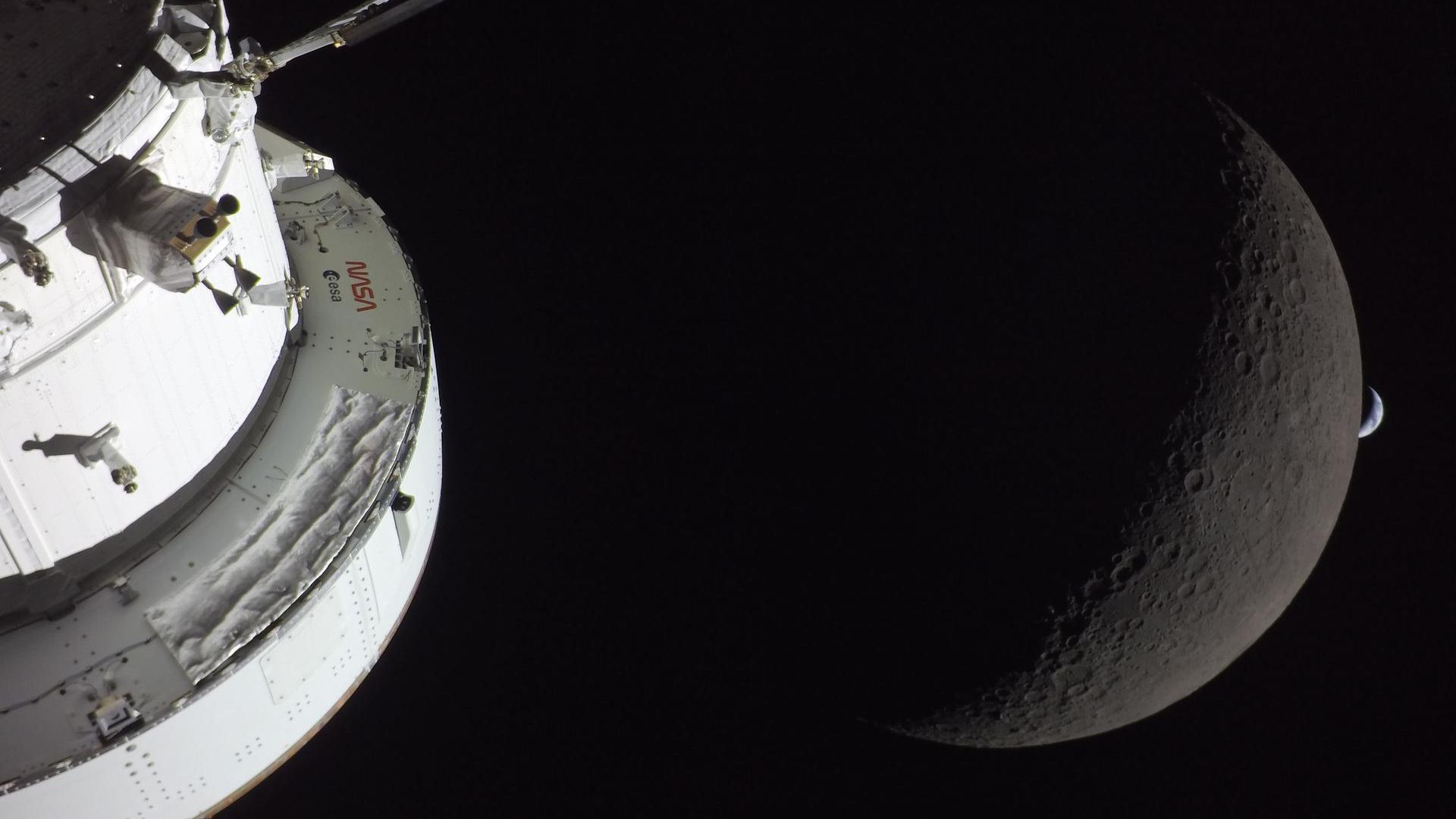
Artemis 2 Marks 'Opening Act' for Lunar Return: NASA Chief
The Gist
NASA's Artemis 2 mission is the start of a lunar 'relay race' towards a moon base and Mars.
Explain Like I'm Five
"Imagine a race to the moon! Artemis 2 was like the first runner, and now NASA wants to get to the moon base even faster, but they need to make sure they have enough money and help from other countries."
Deep Intelligence Analysis
However, NASA faces significant budgetary hurdles. While Congress reversed proposed funding cuts for fiscal year 2026, similar reductions are proposed for 2027. The potential $10 billion supplemental funding pool, contingent on the 'Working Families Tax Cut Act,' offers a degree of financial flexibility, but its availability remains uncertain. The decision to pause the Gateway space station introduces further complexity, requiring renegotiations with international partners who were slated to contribute components under the Artemis Accords. This could impact international collaboration and potentially delay the overall Artemis timeline.
The success of the Artemis program hinges on navigating these budgetary and logistical challenges while maintaining international partnerships. The accelerated timeline presents both opportunities and risks, potentially spurring innovation in lunar technologies but also increasing the pressure to deliver results within constrained resources. The program's long-term viability will depend on securing sustained funding and fostering effective collaboration among stakeholders.
_Context: This intelligence report was compiled by the DailyOrbitalWire Strategy Engine. Verified for Art. 50 Compliance._
Impact Assessment
Artemis 2's success signals renewed momentum for crewed lunar missions. NASA's restructuring of the Artemis program aims to accelerate the timeline for a lunar landing, but budget uncertainties remain a significant challenge.
Read Full Story on Space.comKey Details
- ● Artemis 2 sent the first astronauts around the moon in over 50 years.
- ● NASA aims for a crewed landing by Artemis 4 in 2028.
- ● Artemis 3 is now a test of the human landing system in 2027.
- ● The White House proposed a nearly 25% funding cut to NASA in fiscal 2026, but Congress reversed it to a $24.4 billion budget.
Optimistic Outlook
Accelerating the Artemis program to target a 2028 landing could stimulate rapid innovation in lunar technologies and infrastructure. The potential $10 billion supplemental funding pool offers flexibility to address unforeseen challenges and accelerate development.
Pessimistic Outlook
Budget uncertainties and workforce cutbacks could hinder NASA's ambitious lunar goals. Pausing the Gateway space station introduces potential delays and renegotiations with international partners, impacting collaborative efforts.

The Signal, Not
the Noise|
Get the week's top 1% of space-tech intelligence synthesized into a 5-minute read. Join 25,000+ aerospace insiders.
Unsubscribe anytime. No spam, ever.