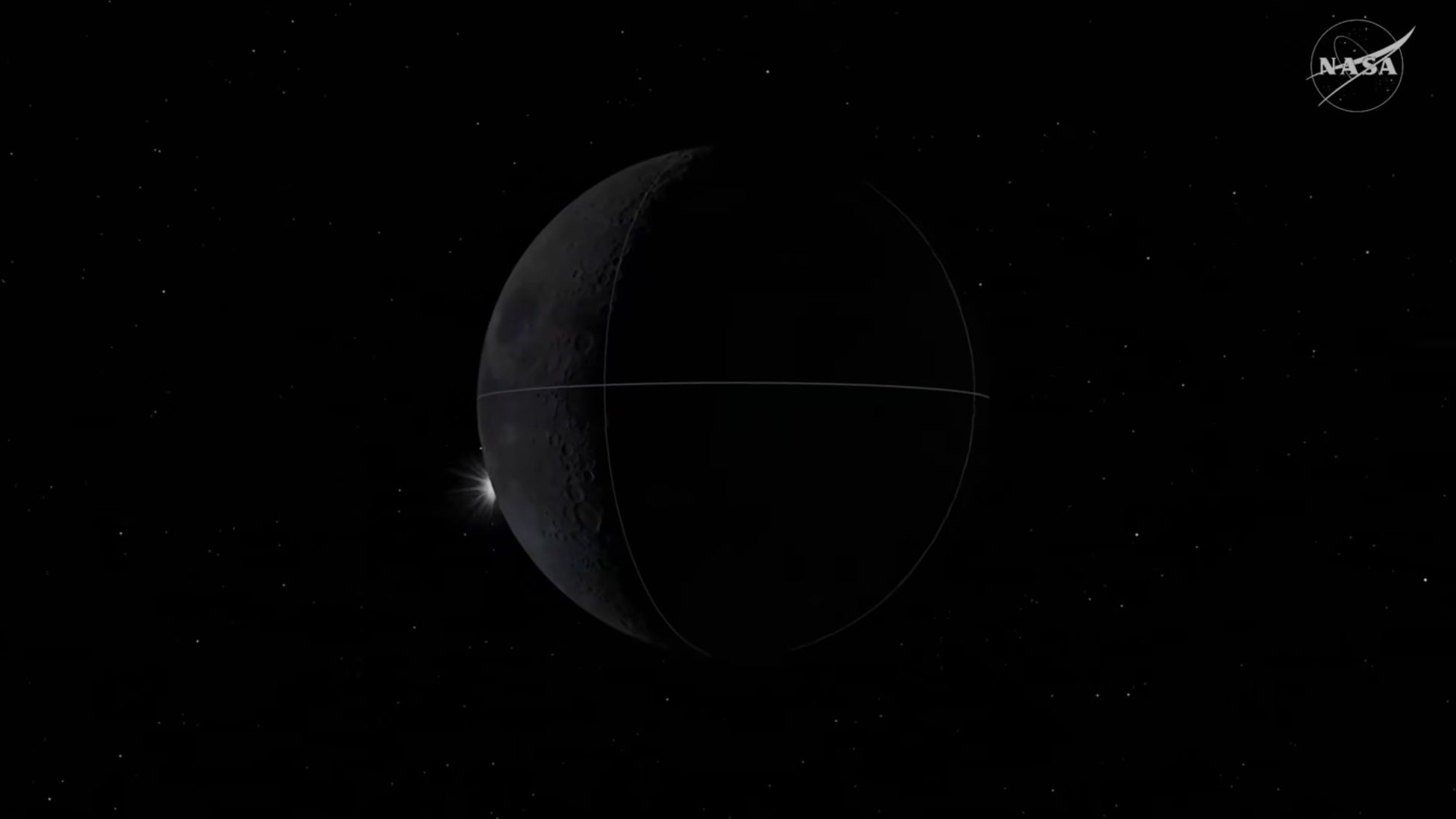
Artemis 2 to Observe Extended Solar Eclipse from Lunar Flyby
The Gist
Artemis 2 astronauts will observe a 53-minute solar eclipse during their lunar flyby, offering a unique scientific opportunity.
Explain Like I'm Five
"Imagine you're on a trip around the moon, and the moon blocks the sun for almost an hour! Scientists want to see the sun's glowy edges, and your eyes can help them see things robots might miss."
Deep Intelligence Analysis
NASA is leveraging this opportunity by tasking the Artemis 2 crew with observing and documenting the solar corona's features. Human observation is particularly valuable because the human eye can detect subtle nuances in color and shading that robotic sensors might overlook. This capability was demonstrated during the Apollo 17 mission when astronauts identified unusual orange regolith, leading to the discovery of more recent volcanic activity on the moon than previously thought.
The data gathered during the Artemis 2 flyby will complement observations from Earth-based and orbiting spacecraft, providing a more comprehensive understanding of solar processes. Furthermore, the astronauts' observations of the lunar surface, particularly the far side, could reveal new insights into its composition and geological history. The success of this observation campaign hinges on the astronauts' ability to accurately perceive and document their findings, highlighting the importance of human sensory input in deep space exploration.
*Transparency Disclosure: This analysis was generated by an AI model and reviewed by human experts. Data sources are cited above. Further information on our AI ethics and review processes are available on request.*
_Context: This intelligence report was compiled by the DailyOrbitalWire Strategy Engine. Verified for Art. 50 Compliance._
Impact Assessment
The extended eclipse duration provides a rare chance to study the sun's corona. The astronauts' observations can reveal subtle details missed by robotic orbiters, potentially uncovering new lunar insights.
Read Full Story on Space.comKey Details
- ● Artemis 2 will observe a solar eclipse lasting approximately 53 minutes.
- ● The eclipse will occur as Artemis 2 slingshots around the far side of the moon.
- ● Orion will reach a maximum distance of 252,757 miles from Earth.
- ● The Artemis 2 crew will observe the solar corona to aid solar scientists.
Optimistic Outlook
The Artemis 2 mission's unique vantage point could yield unprecedented data about the sun's corona and lunar surface composition. This could refine solar models and inform future lunar exploration strategies, enhancing mission safety and resource utilization.
Pessimistic Outlook
Relying on human observation introduces subjectivity and potential for error compared to automated sensors. The mission's success depends on the astronauts' ability to accurately describe and document their observations under challenging conditions.

The Signal, Not
the Noise|
Get the week's top 1% of space-tech intelligence synthesized into a 5-minute read. Join 25,000+ aerospace insiders.
Unsubscribe anytime. No spam, ever.