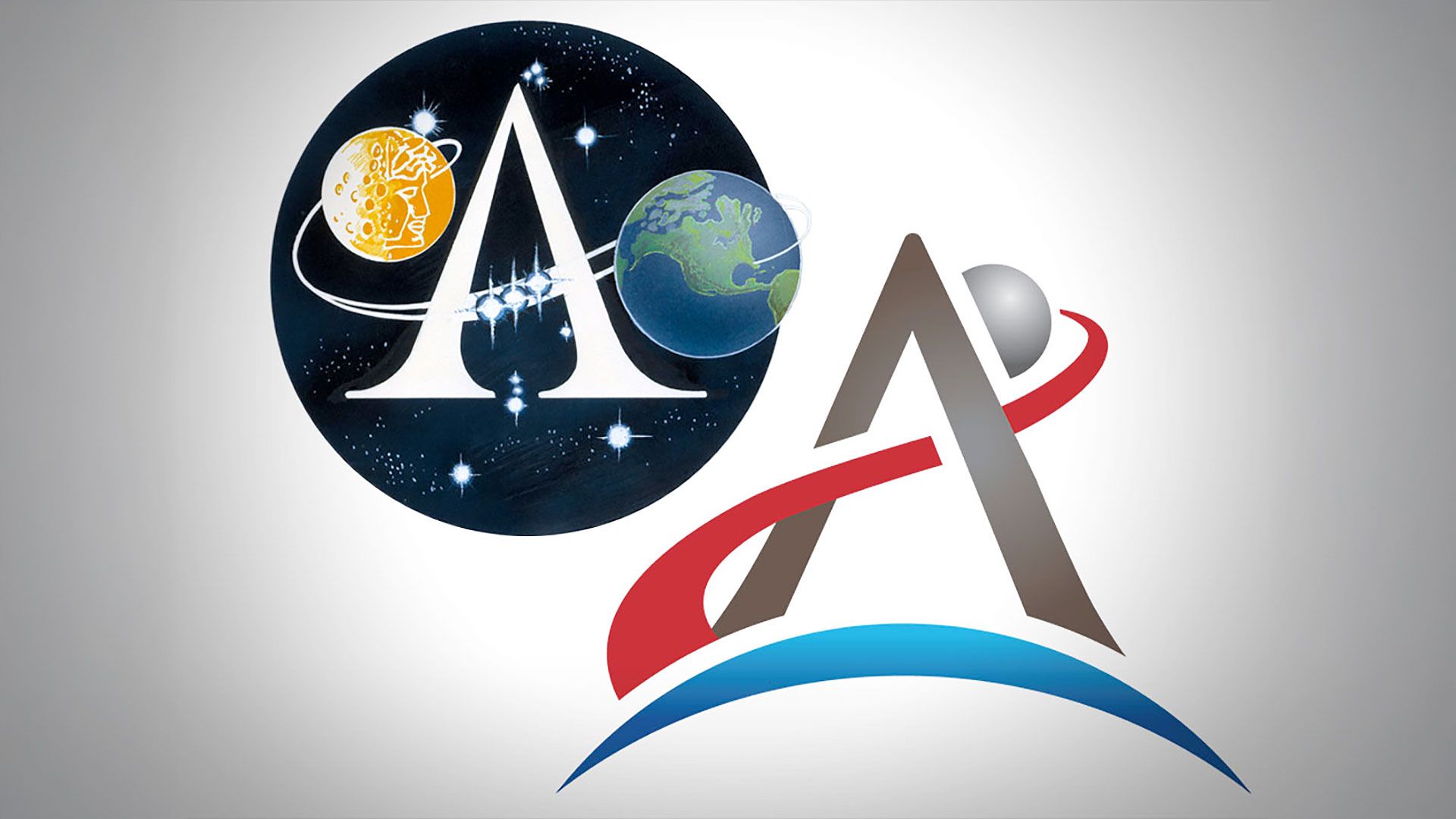
Artemis 2 Mission Differs Significantly from Apollo Moon Missions
The Gist
Artemis 2 will send humans farther from Earth than ever before, using a free-return trajectory around the moon.
Explain Like I'm Five
"Imagine Artemis 2 is like a slingshot around the moon! It's going to send astronauts farther than anyone has ever gone before, and then use the moon's gravity to swing them back home."
Deep Intelligence Analysis
The Artemis program incorporates uncrewed tests of the command module in lunar orbit, a feature absent in the Apollo program, as demonstrated by Artemis 1 in 2022. This mission rigorously tested the Orion spacecraft, excluding life support systems, and evaluated a novel lunar orbit for human-rated vehicles.
Artemis 2's crewed flight will provide critical insights for future lunar missions, validating the Orion spacecraft's capabilities and the viability of the free-return trajectory. Success hinges on precise trajectory calculations and the reliable execution of mission protocols. Delays or unforeseen complications could impact the broader Artemis program, potentially affecting timelines and resource allocation.
*Transparency Compliance: This analysis was generated by an AI model and reviewed by a human expert. Data sources are cited above.*
_Context: This intelligence report was compiled by the DailyOrbitalWire Strategy Engine. Verified for Art. 50 Compliance._
Impact Assessment
Artemis 2 represents a significant advancement in human spaceflight, pushing the boundaries of distance traveled and validating new technologies. The mission's free-return trajectory showcases innovative approaches to lunar missions, reducing reliance on engine propulsion for the return journey.
Read Full Story on Space.comKey Details
- ● Artemis 2 is scheduled to launch no earlier than April 1.
- ● Artemis 2 will exceed the distance humans have ever traveled from Earth.
- ● The Artemis 2 crew will use a free-return trajectory around the moon.
- ● Apollo 11 was designated as a "Type G" mission.
Optimistic Outlook
The Artemis 2 mission's success will pave the way for future lunar landings and deep space exploration. The validation of the Orion spacecraft and the free-return trajectory will enhance the safety and efficiency of subsequent missions, fostering confidence in long-duration space travel.
Pessimistic Outlook
Delays in the launch schedule could impact the overall Artemis program timeline and budget. The reliance on a free-return trajectory introduces a dependency on precise calculations and gravitational forces, posing potential risks if unforeseen circumstances arise.

The Signal, Not
the Noise|
Get the week's top 1% of space-tech intelligence synthesized into a 5-minute read. Join 25,000+ aerospace insiders.
Unsubscribe anytime. No spam, ever.