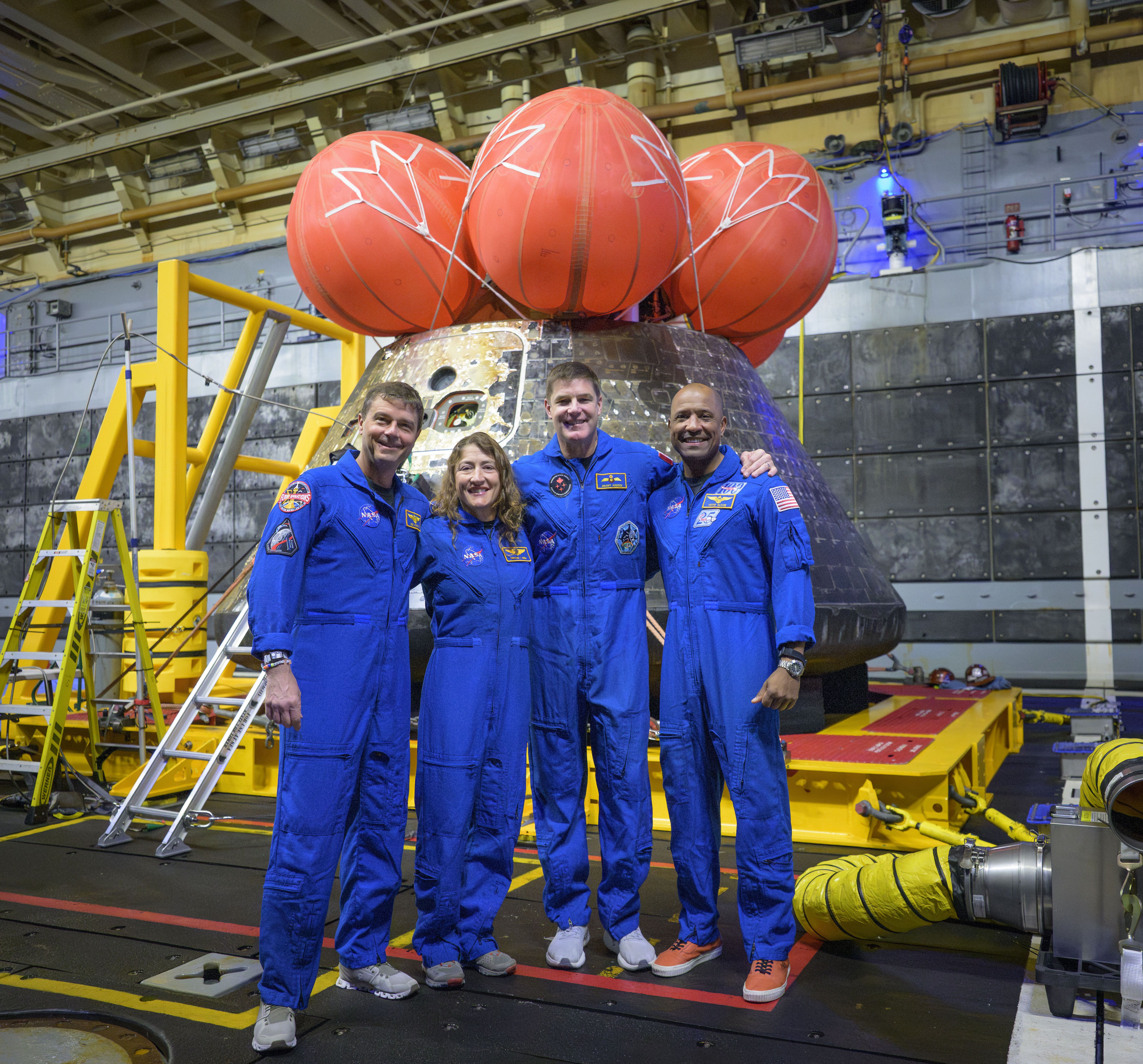
Artemis II Astronauts Return After Lunar Test Flight
The Gist
Artemis II astronauts successfully returned to Earth after a record-setting lunar test flight, paving the way for future lunar surface missions.
Explain Like I'm Five
"Imagine a group of astronauts took a trip around the Moon to test their spaceship. They landed safely back on Earth, which means we're closer to visiting the Moon again!"
Deep Intelligence Analysis
_Context: This intelligence report was compiled by the DailyOrbitalWire Strategy Engine. Verified for Art. 50 Compliance._
Impact Assessment
The successful completion of Artemis II marks a significant step forward in NASA's human deep space exploration program. It validates the Orion spacecraft's capabilities and sets the stage for crewed lunar surface missions.
Read Full Story on NASA Breaking NewsKey Details
- ● Artemis II splashed down in the Pacific Ocean on April 10, 2026, at 5:07 p.m. PDT.
- ● The crew included NASA astronauts Reid Wiseman, Christina Koch, Victor Glover, and CSA astronaut Jeremy Hansen.
- ● The astronauts were recovered by a combined NASA and U.S. military team and transported to the USS John P. Murtha.
Optimistic Outlook
The Artemis II mission's success strengthens confidence in NASA's ability to execute complex crewed missions beyond Earth orbit. Future Artemis missions will likely benefit from the experience and data gathered during this flight, potentially accelerating the timeline for establishing a sustained lunar presence.
Pessimistic Outlook
While Artemis II was successful, future missions face inherent risks associated with deep space travel, including potential equipment malfunctions and health challenges for the crew. Delays and cost overruns could also hinder the long-term progress of the Artemis program.

The Signal, Not
the Noise|
Get the week's top 1% of space-tech intelligence synthesized into a 5-minute read. Join 25,000+ aerospace insiders.
Unsubscribe anytime. No spam, ever.