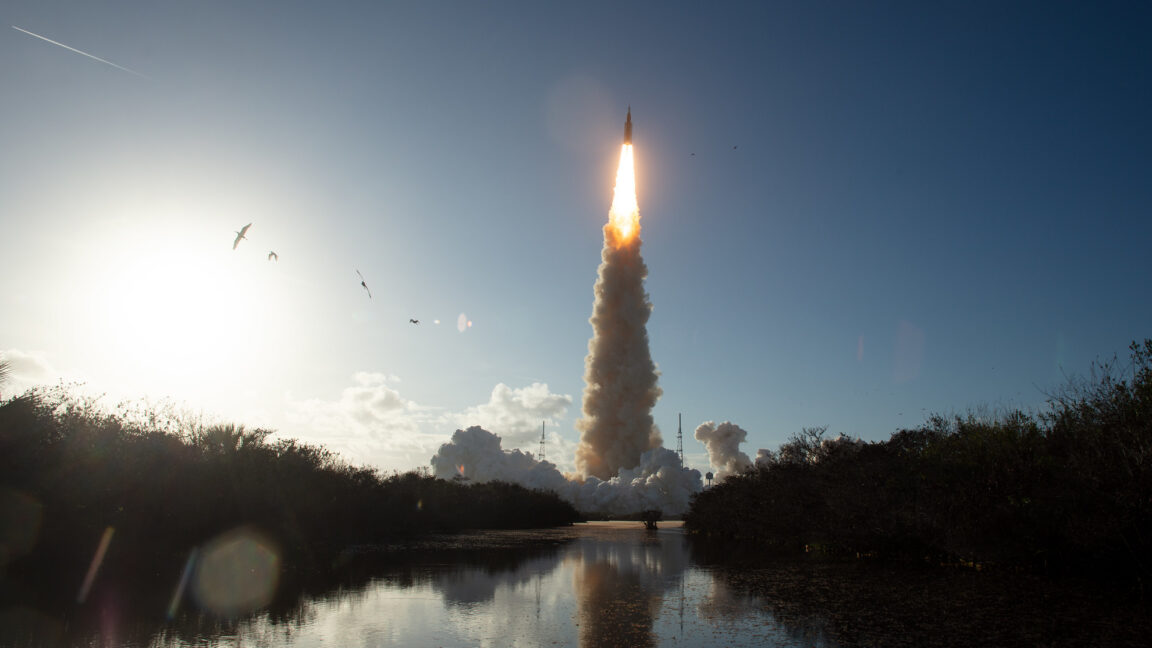
Artemis II Launch Viewership Significantly Lower Than Apollo 8
The Gist
Artemis II's launch viewership pales in comparison to Apollo 8's global reach due to fragmented media landscape.
Explain Like I'm Five
"Imagine showing a cool space launch to all your friends. A long time ago, almost everyone watched the same TV channels, so lots of people saw the first trip to the Moon. Now, there are so many videos online that not as many people saw the new Moon rocket launch."
Deep Intelligence Analysis
_Context: This intelligence report was compiled by the DailyOrbitalWire Strategy Engine. Verified for Art. 50 Compliance._
Impact Assessment
While Artemis II represents a significant step in lunar exploration, its cultural impact is diminished by the current media environment. The fragmented media landscape makes it difficult to achieve the same level of global attention as Apollo 8.
Read Full Story on Ars Technica SpaceKey Details
- ● Apollo 8 had an estimated global viewership of one-quarter of the 3.5 billion world population in 1968.
- ● Artemis II launch livestream reached approximately 16 million viewers.
- ● Artemis II launch viewership was significantly less than Apollo 8 due to media fragmentation.
Optimistic Outlook
Future Artemis missions could leverage emerging media platforms and interactive technologies to enhance global engagement. Focused outreach could cultivate a broader audience and inspire the next generation of space explorers.
Pessimistic Outlook
The declining reach of traditional media poses a challenge for NASA to communicate the importance of space exploration. Without a concentrated effort to engage a wider audience, public support for future missions may wane.

The Signal, Not
the Noise|
Get the week's top 1% of space-tech intelligence synthesized into a 5-minute read. Join 25,000+ aerospace insiders.
Unsubscribe anytime. No spam, ever.