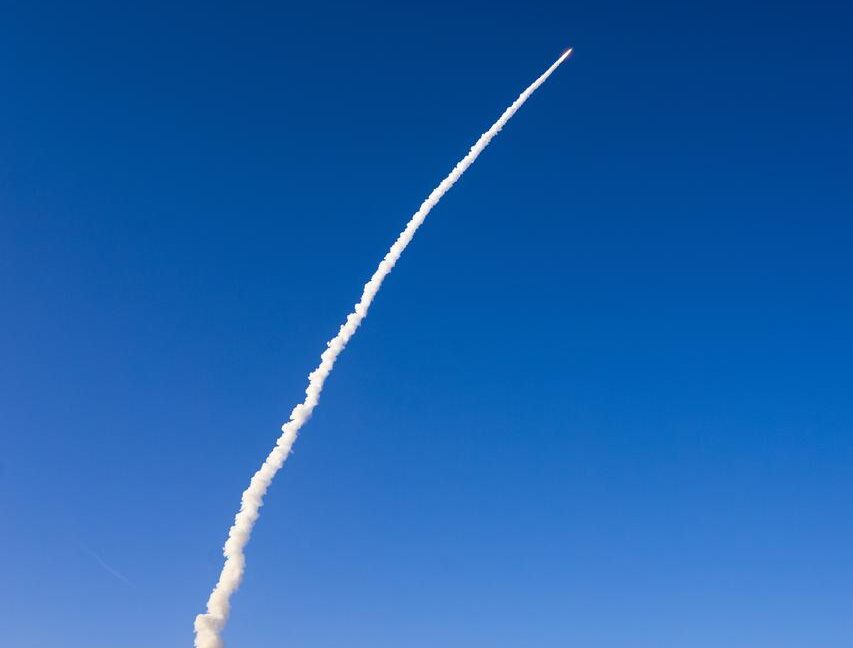
Artemis II Crew Embarks on Lunar Free-Return Trajectory
The Gist
NASA's Artemis II mission has achieved a point of no return, sending four astronauts on a free-return trajectory around the Moon.
Explain Like I'm Five
"Imagine throwing a ball to the moon, and it uses the moon's gravity to bounce back to Earth. NASA just did that with a spaceship and some astronauts!"
Deep Intelligence Analysis
The mission profile involves a lunar flyby, during which the spacecraft will utilize the Moon's gravity to slingshot back towards Earth. This trajectory minimizes the need for additional engine burns, reducing the risk of system failures. However, it also requires precise navigation and control to ensure a safe and accurate return. The data gathered during the mission will be invaluable for validating the design and performance of Orion, as well as for refining operational procedures for future lunar missions.
While the successful engine burn is a major achievement, the mission still faces potential challenges. The reliance on a single engine burn for translunar injection introduces a potential point of failure, and any unforeseen issues with the spacecraft's systems could jeopardize the mission's objectives and crew safety. Furthermore, the mission's success is contingent upon the continued functioning of Orion's life support systems, which are critical for maintaining a habitable environment for the crew. The Artemis II mission represents a significant step forward in human space exploration, but it also underscores the inherent risks and challenges associated with deep-space travel.
_Context: This intelligence report was compiled by the DailyOrbitalWire Strategy Engine. Verified for Art. 50 Compliance._
Impact Assessment
This mission represents a significant achievement in returning humans to deep space, demonstrating the capabilities of the Orion spacecraft and the Space Launch System. The success of Artemis II is crucial for maintaining momentum in NASA's lunar exploration program.
Read Full Story on Ars Technica SpaceKey Details
- ● Orion's main engine fired for 5 minutes and 50 seconds.
- ● The translunar injection burn occurred one day after launch.
- ● The mission aims for a lunar flyby followed by a Pacific Ocean splashdown on April 10.
- ● Life support systems, including carbon dioxide scrubbers, functioned well.
Optimistic Outlook
The successful engine burn and functioning life support systems indicate the readiness of Orion for prolonged deep-space missions. The mission's data will inform future designs and operational procedures, potentially accelerating the timeline for establishing a sustainable lunar presence.
Pessimistic Outlook
The mission's reliance on a single engine burn for translunar injection introduces a potential point of failure. Any unforeseen issues with the spacecraft's systems could jeopardize the mission's objectives and crew safety.

The Signal, Not
the Noise|
Get the week's top 1% of space-tech intelligence synthesized into a 5-minute read. Join 25,000+ aerospace insiders.
Unsubscribe anytime. No spam, ever.