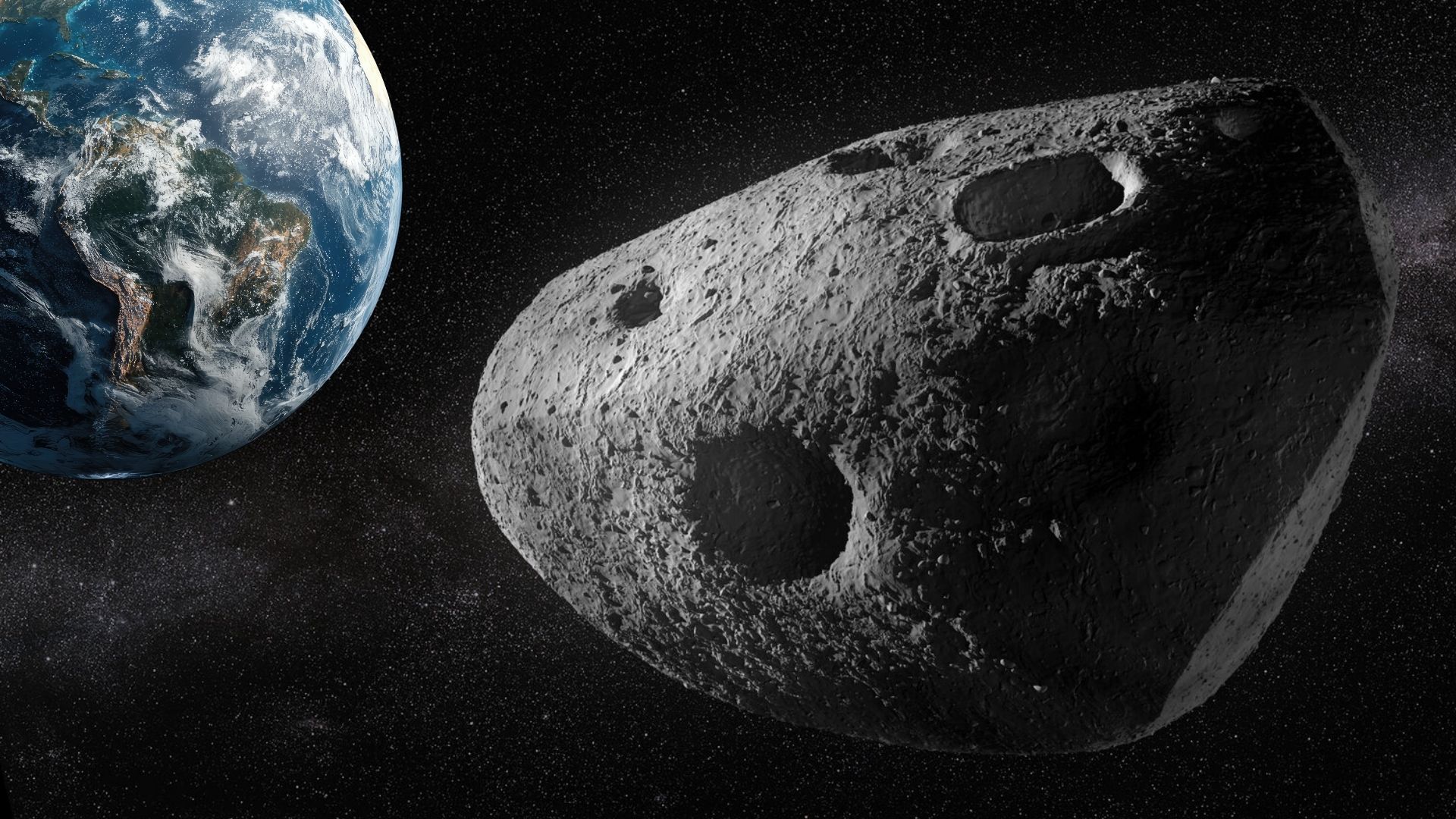
Asteroid Apophis to Make Close Earth Flyby in 2029
The Gist
Asteroid Apophis will pass closer than geosynchronous satellites on April 13, 2029, visible to the naked eye in some locations.
Explain Like I'm Five
"A giant space rock (Apophis) will zoom super close to Earth in 2029, closer than some of our satellites! Don't worry, it won't hit us, but scientists will get to study it up close."
Deep Intelligence Analysis
Apophis, estimated to be 375 meters in diameter, is classified as a "potentially hazardous asteroid" due to its size and proximity to Earth. The 2029 flyby provides an unparalleled opportunity to refine our understanding of asteroid dynamics and improve our ability to predict future close approaches. Data collected during the event could also inform the development of planetary defense strategies, such as asteroid deflection techniques.
Despite the scientific value, it's crucial to manage public perception and avoid unnecessary alarm. Clear and accurate communication about the actual risks and opportunities associated with Apophis is essential. The event also highlights the importance of continued investment in near-Earth object detection and tracking programs. By monitoring the trajectories of potentially hazardous asteroids, we can better protect our planet from future impacts.
*Transparency Disclosure: This analysis was composed by an AI Large Language Model. The AI has been trained on a massive dataset of text and code. While efforts have been made to ensure accuracy and objectivity, the analysis should be considered as informational and not definitive. Human oversight and validation are recommended for critical decision-making.*
_Context: This intelligence report was compiled by the DailyOrbitalWire Strategy Engine. Verified for Art. 50 Compliance._
Impact Assessment
This close flyby provides a rare opportunity for scientists to study the effects of Earth's gravity on an asteroid's rotation and structure. While initially feared as a potential impactor, Apophis now poses no collision risk for at least a century.
Read Full Story on Space.comKey Details
- ● Apophis will pass within 20,000 miles (32,000 km) of Earth on April 13, 2029.
- ● It will reach a magnitude of around 3.1, visible to the naked eye from dark locations.
- ● Apophis is roughly 1,230 feet (375 meters) across.
Optimistic Outlook
The Apophis flyby will allow for unprecedented data collection, potentially advancing our understanding of asteroid composition and behavior. This knowledge could inform future planetary defense strategies and resource utilization efforts.
Pessimistic Outlook
Although a direct impact is ruled out for the next century, gravitational interactions during the flyby could alter Apophis's trajectory, requiring continuous monitoring. Public fascination could also lead to misinformation and unnecessary alarm.

The Signal, Not
the Noise|
Get the week's top 1% of space-tech intelligence synthesized into a 5-minute read. Join 25,000+ aerospace insiders.
Unsubscribe anytime. No spam, ever.