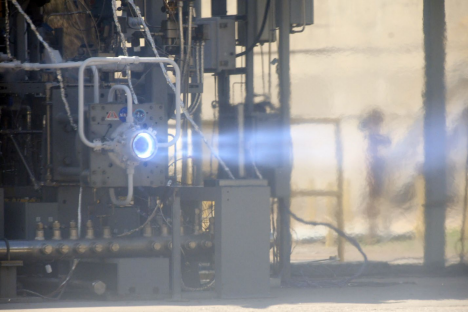
Astrobotic Hotfires Chakram RDRE for Cislunar Missions
The Gist
Astrobotic's Chakram RDRE prototype achieved a 300-second hotfire, potentially increasing efficiency by 15%.
Explain Like I'm Five
"Imagine a rocket engine that spins fire really fast in a circle! Astrobotic made one that burned for 5 minutes straight, and it could make trips to the Moon cheaper and easier."
Deep Intelligence Analysis
_Context: This intelligence report was compiled by the DailyOrbitalWire Strategy Engine. Verified for Art. 50 Compliance._
Impact Assessment
RDRE technology promises increased efficiency and reduced engine size, crucial for cost-effective cislunar logistics. Successful hotfire tests validate the design and pave the way for future integration into Astrobotic's landers and OTVs.
Read Full Story on Payload SpaceKey Details
- ● Chakram RDRE achieved a continuous 300-second hotfire.
- ● RDRE technology could boost engine efficiency up to 15%.
- ● Hotfires were conducted at NASA's Marshall Space Flight Center.
- ● The NASA-supported hotfires were done on a budget of less than $1.5M.
Optimistic Outlook
Successful integration of the Chakram RDRE into Astrobotic's Griffin lander and other vehicles could significantly enhance payload capacity and reduce mission costs. This could accelerate the development of a robust cislunar economy and enable more ambitious lunar missions.
Pessimistic Outlook
RDRE technology is not yet space-proven, and integration into existing platforms may present unforeseen engineering challenges. Delays in flight qualification could impact Astrobotic's lunar mission timelines and competitiveness.

The Signal, Not
the Noise|
Get the week's top 1% of space-tech intelligence synthesized into a 5-minute read. Join 25,000+ aerospace insiders.
Unsubscribe anytime. No spam, ever.