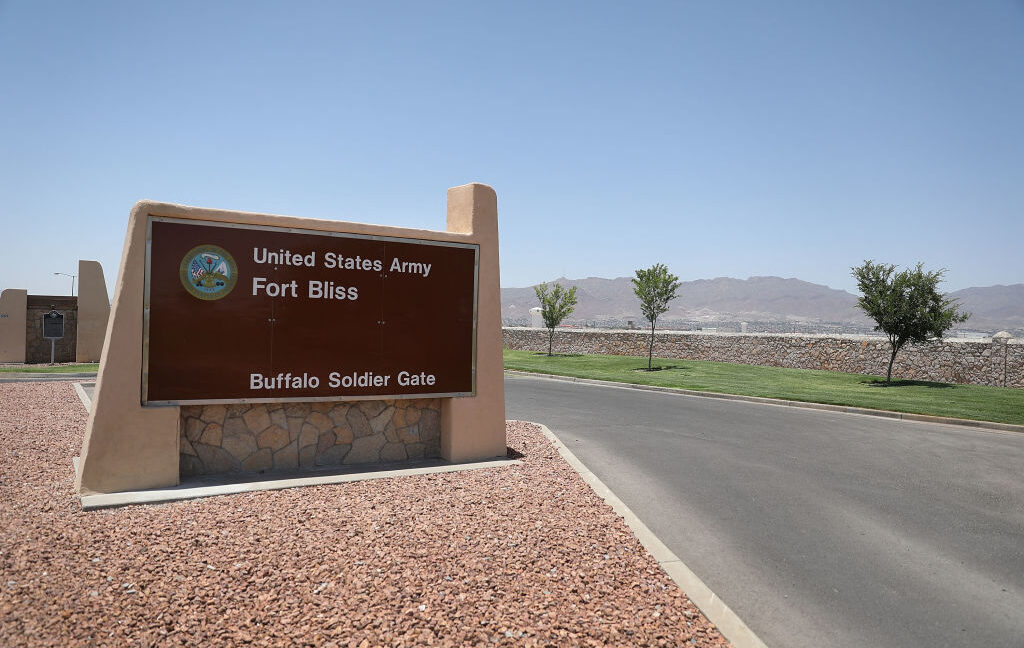
El Paso Airport Briefly Closed After Military Engages Party Balloon with Anti-Drone Laser
The Gist
El Paso airport airspace closed after the military used an anti-drone laser on a party balloon, mistaking it for a drone.
Explain Like I'm Five
"The army used a laser to shoot down what they thought was a bad guy drone, but it was just a balloon! The airport had to close for a little bit because it wasn't safe."
Deep Intelligence Analysis
The incident highlights the challenges of accurately identifying and engaging potential threats in dynamic airspace. The reliance on high-energy lasers for drone interdiction necessitates robust identification systems and clear protocols to prevent unintended consequences. The potential for misidentification, as demonstrated in this case, could have significant implications for aviation safety and public trust.
Moving forward, it is crucial for the FAA and the military to collaborate on establishing clear guidelines and procedures for testing and deploying anti-drone technologies in civilian airspace. This includes developing advanced identification systems, implementing robust communication protocols, and ensuring that all personnel are adequately trained to operate these technologies safely and effectively. The incident serves as a valuable lesson in the importance of careful planning, coordination, and risk mitigation when integrating advanced defense technologies into civilian environments.
_Context: This intelligence report was compiled by the DailyOrbitalWire Strategy Engine. Verified for Art. 50 Compliance._
Impact Assessment
This incident raises concerns about the testing and deployment of anti-drone technology in civilian airspace. It highlights the potential for misidentification and the need for clearer protocols to ensure aviation safety.
Read Full Story on Ars Technica SpaceKey Details
- ● The FAA closed airspace above El Paso International Airport up to 18,000 feet.
- ● The closure lasted less than 10 hours.
- ● The military used a high-energy laser to target what they thought was a drone.
- ● The target was later identified as a party balloon.
Optimistic Outlook
The swift reopening of the airspace suggests that the FAA and military are responsive to safety concerns. This event may prompt a review of testing procedures and lead to improved safeguards against future incidents.
Pessimistic Outlook
The incident reveals a lack of coordination and communication between the FAA and the military. The potential for similar misidentifications and airspace closures remains a concern, impacting airport operations and air travel.

The Signal, Not
the Noise|
Get the week's top 1% of space-tech intelligence synthesized into a 5-minute read. Join 25,000+ aerospace insiders.
Unsubscribe anytime. No spam, ever.