NASA Develops Method for Estimating Risk When Reducing Nondestructive Evaluation
The Gist
NASA's NESC developed a probabilistic analysis method to estimate risk associated with reducing nondestructive evaluation (NDE) requirements.
Explain Like I'm Five
"Imagine checking a toy for cracks. Sometimes, we don't check every single toy. NASA made a way to guess how likely a toy is to break even if we don't check it, so we can save time but still be safe!"
Deep Intelligence Analysis
Transparency Footnote: This deep analysis was composed by an AI Large Language Model. Data was sourced exclusively from the provided text. No external sources were consulted. Human oversight ensured accuracy and adherence to guidelines.
_Context: This intelligence report was compiled by the DailyOrbitalWire Strategy Engine. Verified for Art. 50 Compliance._
Impact Assessment
This method allows for a more informed decision-making process regarding NDE, balancing cost and schedule impacts with safety requirements. It provides a framework for assessing the risk of reducing inspections on spaceflight hardware.
Read Full Story on NASA Breaking NewsKey Details
- ● The method estimates risk associated with descoping NDE of single-wrought materials.
- ● It uses historical data and sensitivity studies.
- ● It identifies minimum supporting data required for approving a descoping request.
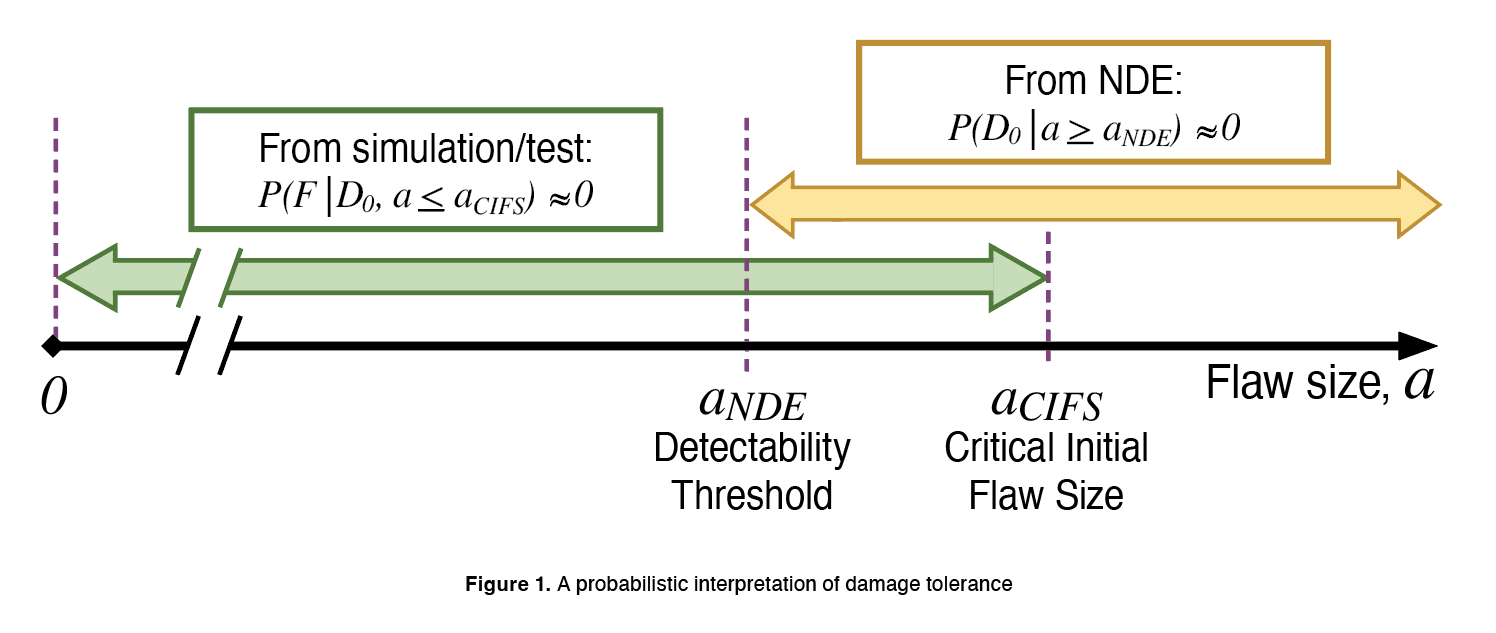
- ● The method considers probabilities of flaw existence, NDE miss, and failure given a missed flaw.
Optimistic Outlook
The probabilistic approach could lead to optimized inspection strategies, reducing unnecessary costs while maintaining safety. This could accelerate development cycles and lower the overall cost of space missions.
Pessimistic Outlook
The reliance on historical data may limit the accuracy of risk assessments for novel materials or designs. The method requires careful validation and may not be applicable to all types of spaceflight hardware.

The Signal, Not
the Noise|
Get the week's top 1% of space-tech intelligence synthesized into a 5-minute read. Join 25,000+ aerospace insiders.
Unsubscribe anytime. No spam, ever.