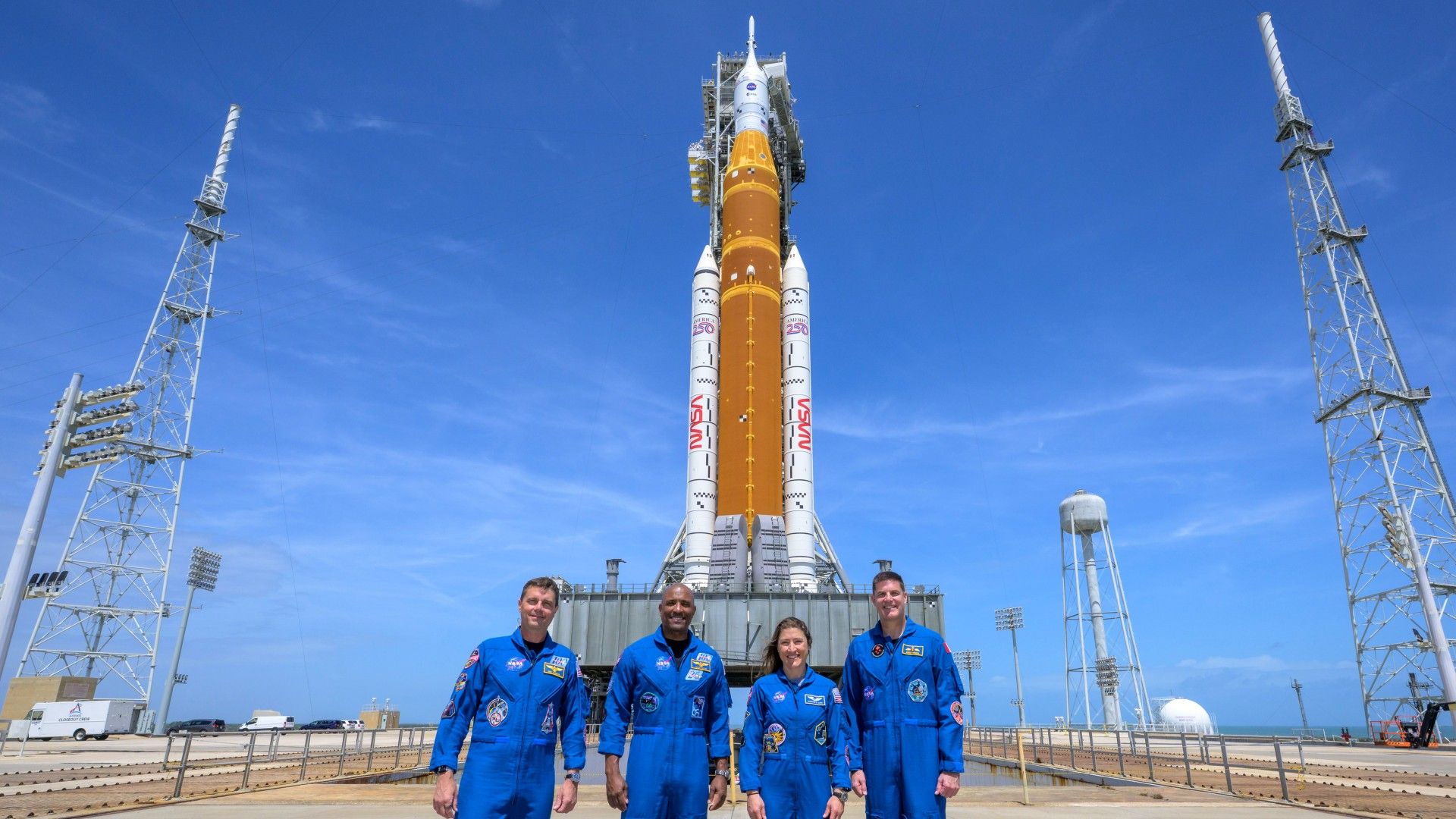
NASA: Solar Flare Poses No Threat to Artemis 2 Launch
The Gist
NASA confirms that a recent X1.4-class solar flare and CME pose no threat to the Artemis 2 mission launch scheduled for April 1.
Explain Like I'm Five
"The Sun burped out a big ball of energy, but NASA says it's like a sneeze and won't bother the astronauts going to the Moon!"
Deep Intelligence Analysis
Transparency note: The AI-generated content above is based on the provided source material. All claims and analyses are derived directly from the source. No external information was used in the creation of this content.
_Context: This intelligence report was compiled by the DailyOrbitalWire Strategy Engine. Verified for Art. 50 Compliance._
Impact Assessment
Ensuring astronaut safety is paramount, and NASA's proactive monitoring of space weather demonstrates its commitment. The Artemis 2 mission marks a significant step in returning humans to the moon and testing radiation protection measures.
Read Full Story on Space.comKey Details
- ● An X1.4-class solar flare occurred on March 29, causing a radio blackout over parts of Asia and Australia.
- ● The Artemis 2 launch is scheduled for April 1 at 6:24 p.m. EDT.
- ● Artemis 2 is a 10-day crewed mission around the moon, the first since Apollo 17.
Optimistic Outlook
The successful launch of Artemis 2 will pave the way for future crewed lunar missions and the establishment of a long-term presence on the moon. Testing radiation shelters will improve astronaut safety during deep space exploration.
Pessimistic Outlook
While this flare poses no immediate threat, future solar events could delay or endanger missions. Continuous monitoring and improved radiation shielding are crucial for long-duration space travel.

The Signal, Not
the Noise|
Get the week's top 1% of space-tech intelligence synthesized into a 5-minute read. Join 25,000+ aerospace insiders.
Unsubscribe anytime. No spam, ever.