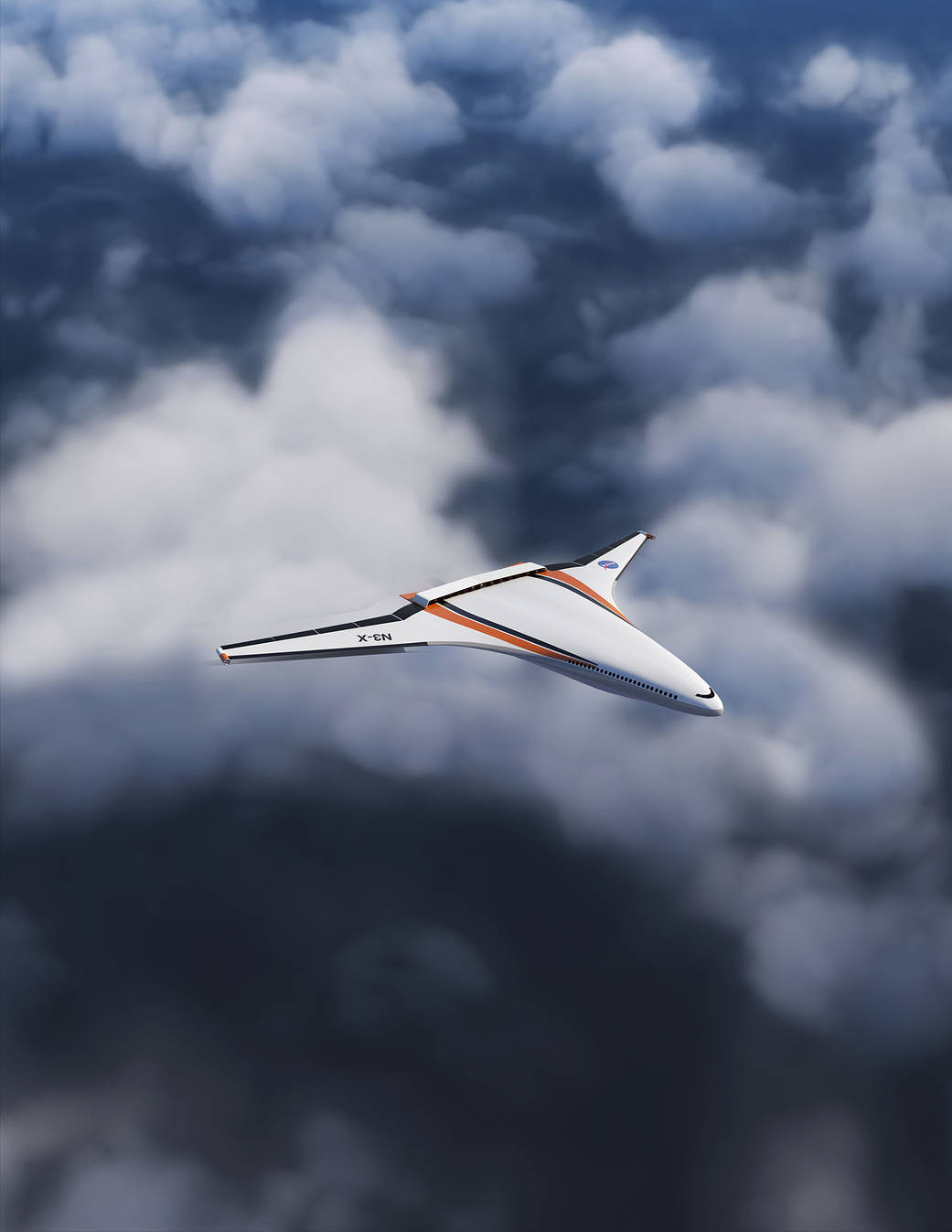
NASA's SVTT Project Aims to Advance Subsonic Aircraft Technologies
The Gist
NASA's Subsonic Vehicle Technologies and Tools (SVTT) project focuses on advancing aircraft technologies for subsonic and urban air mobility.
Explain Like I'm Five
"Imagine NASA is building new and improved airplanes and flying cars that are quieter and use less gas to help us travel better in the future!"
Deep Intelligence Analysis
SVTT's focus extends beyond traditional fixed-wing aircraft to encompass the burgeoning urban air mobility (UAM) sector. The project is developing sophisticated computer modeling and simulation tools to analyze the noise and performance characteristics of multi-rotor UAM vehicles. This is particularly important given the unique operational environment of UAM, where noise pollution and safety are paramount concerns. The project also acknowledges the potential of advanced vertical lift capabilities to support public good missions, such as disaster relief, emergency services, and medical transport, highlighting the broader societal benefits of this research.
While SVTT is primarily focused on long-term technology development, it also aims to deliver near-term and mid-term progress by demonstrating useful technology improvements along the way. This incremental approach is crucial for maintaining momentum and ensuring that the project remains relevant in a rapidly evolving technological landscape. The success of SVTT will not only enhance U.S. industrial competitiveness in the global aerospace market but also pave the way for new markets and applications for advanced air mobility technologies.
*Transparency Disclosure: This analysis was conducted by an AI, focusing on factual information and avoiding subjective claims. The AI has no vested interest in the mentioned entities.*
_Context: This intelligence report was compiled by the DailyOrbitalWire Strategy Engine. Verified for Art. 50 Compliance._
Impact Assessment
The SVTT project is crucial for maintaining U.S. competitiveness in the subsonic transport aircraft market and opening new markets for regional jets. Advancements in urban air mobility also support public service missions like disaster relief and medical transport.
Read Full Story on NASA Breaking NewsKey Details
- ● SVTT aims to lower operating costs for next-generation single-aisle aircraft.
- ● The project develops computer modeling and simulation tools for multi-rotor urban air mobility vehicles.
- ● SVTT research includes efficient airframe designs and electrified aircraft propulsion.
Optimistic Outlook
SVTT's focus on efficient airframes and electrified propulsion could lead to significant reductions in fuel consumption and noise pollution. This could revolutionize air travel and urban mobility, creating new opportunities for U.S. aerospace companies.
Pessimistic Outlook
The long-term nature of the SVTT project means that tangible benefits may take years to materialize. Competition from other countries and technological challenges in developing electrified propulsion systems could hinder progress.

The Signal, Not
the Noise|
Get the week's top 1% of space-tech intelligence synthesized into a 5-minute read. Join 25,000+ aerospace insiders.
Unsubscribe anytime. No spam, ever.