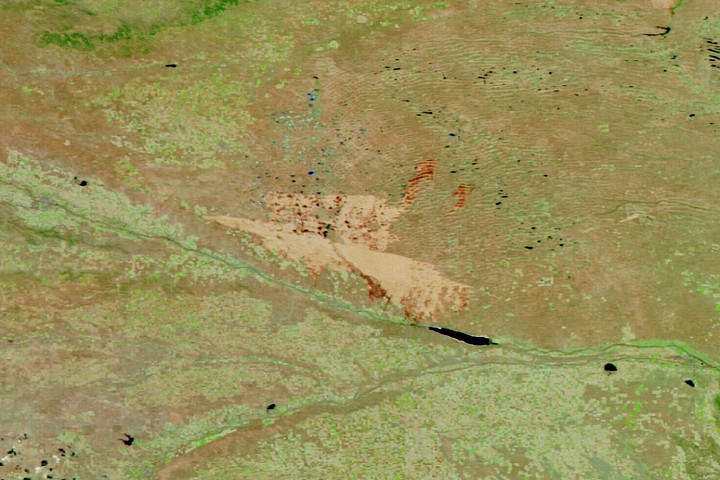
Nebraska Wildfires Devastate Grasslands in Early 2026
The Gist
A massive wildfire in Nebraska burned over 640,000 acres in a week, becoming the state's largest wildfire.
Explain Like I'm Five
"Imagine a big campfire got out of control in Nebraska because it was very dry and windy. It burned a lot of grass and hurt animals, showing why it's important to be careful with fire."
Deep Intelligence Analysis
The economic impact of the fires is significant, with losses reported in ranch and pasture lands, homes, and livestock. The ecological damage is also substantial, as the fires affected the Crescent Lake National Wildlife Refuge, a critical habitat for migratory birds. While the immediate focus is on containing the fires and providing relief to affected communities, long-term strategies are needed to mitigate the risk of future wildfires. These strategies may include improved land management practices, enhanced monitoring and prediction capabilities, and community preparedness programs.
Furthermore, the Nebraska wildfires highlight the need for a comprehensive approach to wildfire management that considers the interplay of climate change, land use, and human activity. By investing in research, technology, and community engagement, it may be possible to reduce the frequency and severity of wildfires and protect vulnerable ecosystems and communities. The event also underscores the importance of interagency cooperation and coordination in responding to large-scale disasters. Effective communication and collaboration among federal, state, and local agencies are essential for ensuring a timely and effective response to wildfires and other natural disasters.
*Transparency Footnote: The AI model used to generate this analysis was trained on a broad range of publicly available information. While efforts have been made to ensure accuracy and objectivity, the analysis should be considered as informational and not as a substitute for professional advice.*
_Context: This intelligence report was compiled by the DailyOrbitalWire Strategy Engine. Verified for Art. 50 Compliance._
Impact Assessment
The Nebraska wildfires highlight the increasing risk of large-scale wildfires due to dry conditions and unusual weather patterns. This event underscores the need for improved wildfire prevention and response strategies, especially in vulnerable regions like the Great Plains.
Read Full Story on NASA TechnologyKey Details
- ● The Morrill fire in Nebraska burned over 640,000 acres.
- ● The fire started on March 12, 2026, and was contained by March 29.
- ● As of March 27, 2026, 15,436 fires had burned 1,510,973 acres nationwide.
- ● The Great Plains experienced warmer and windier conditions with less precipitation in early 2026.
Optimistic Outlook
Improved monitoring and predictive models, coupled with proactive land management practices, could mitigate future wildfire risks. Investment in resilient infrastructure and community preparedness programs can also minimize the impact of such events.
Pessimistic Outlook
If dry conditions and unusual weather patterns persist, the risk of similar or larger wildfires will increase. The destruction of habitats and economic losses for ranchers and farmers could have long-term consequences.

The Signal, Not
the Noise|
Get the week's top 1% of space-tech intelligence synthesized into a 5-minute read. Join 25,000+ aerospace insiders.
Unsubscribe anytime. No spam, ever.