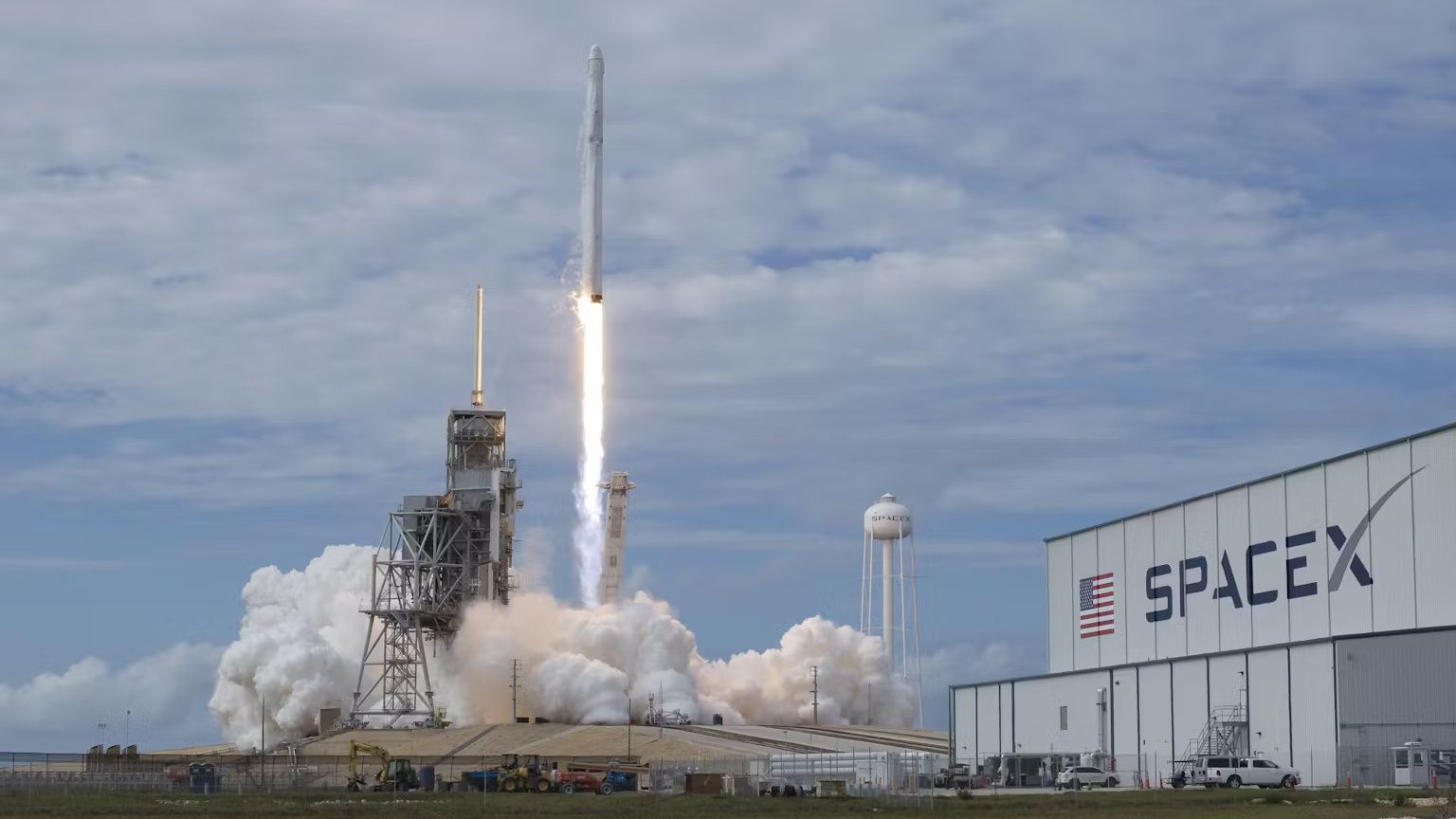
Concentration of Space Power in Private Hands Raises Concerns
The Gist
Growing reliance on private companies for space activities raises concerns about potential vulnerabilities and disproportionate leverage.
Explain Like I'm Five
"Imagine if only one company made all the rockets and spaceships for a country. If that company had different ideas than the country, it could cause problems. It's better to have a backup plan!"
Deep Intelligence Analysis
Transparency Statement: This analysis was generated by an AI model to provide an objective assessment of the provided text. The AI model is trained on a broad range of publicly available information and is designed to avoid bias and ensure compliance with ethical guidelines.
_Context: This intelligence report was compiled by the DailyOrbitalWire Strategy Engine. Verified for Art. 50 Compliance._
Impact Assessment
The shift towards commercial space operations offers cost savings and innovation, but it also creates a dependence on private entities. This concentration of power could pose risks if private interests diverge from public strategy.
Read Full Story on Space.comKey Details
- ● The NASA Reauthorization Act of 2026 directs NASA to partner with commercial providers for LEO operations and lunar landings.
- ● A 2025 executive order prioritized commercial solutions in federal space activities, aiming for $50 billion in private investment by 2028.
- ● Launch costs have fallen by almost 70% due to commercial partnerships.
Optimistic Outlook
Commercial partnerships can continue to drive down costs and accelerate innovation in space exploration. NASA's strategy of working with multiple providers, as seen in the lunar lander program, could mitigate risks associated with reliance on a single company, fostering a more resilient and competitive space ecosystem.
Pessimistic Outlook
Over-reliance on a single private company for critical space capabilities creates a potential vulnerability. If a private company's priorities diverge from national interests, the government may lack a credible alternative, hindering its space strategy.

The Signal, Not
the Noise|
Get the week's top 1% of space-tech intelligence synthesized into a 5-minute read. Join 25,000+ aerospace insiders.
Unsubscribe anytime. No spam, ever.