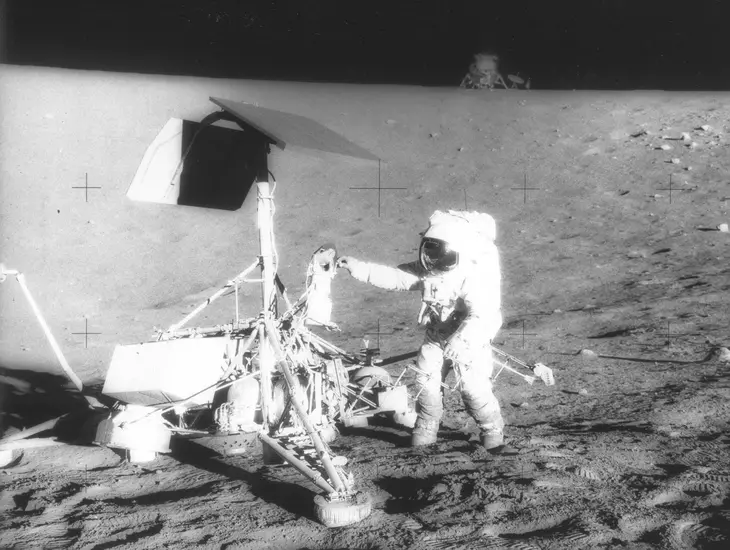
Protecting Lunar Heritage: A Growing Challenge
The Gist
With increased lunar missions, preserving historical sites and artifacts on the Moon presents legal and logistical challenges.
Explain Like I'm Five
"Imagine the Moon is like an old playground. People are starting to visit it more, but we need rules to make sure they don't break the old toys or mess up the playground for everyone else."
Deep Intelligence Analysis
Future lunar activities, including resource extraction and scientific research, could inadvertently damage or destroy historically significant sites. The absence of clear guidelines and international consensus creates a risk of irreversible loss. The challenge lies in balancing the pursuit of scientific and economic opportunities with the ethical responsibility to protect our shared space heritage.
Potential solutions include developing legally binding international agreements, implementing remote sensing technologies for site assessment, and establishing protected zones around historically significant areas. Public awareness and education are also crucial to fostering a sense of stewardship towards lunar heritage. The long-term preservation of these sites requires a collaborative effort involving governments, space agencies, and the private sector.
_Context: This intelligence report was compiled by the DailyOrbitalWire Strategy Engine. Verified for Art. 50 Compliance._
Impact Assessment
As lunar activity increases, preserving historical sites becomes crucial. The lack of international consensus on protecting these sites poses a risk to our shared space heritage and future scientific opportunities.
Read Full Story on Universe TodayKey Details
- ● Over 100 metric tons of human-made material are on the Moon.
- ● NASA predicts over 100 new lunar missions in the next decade.
- ● The 1967 Outer Space Treaty lacks enforcement mechanisms for heritage preservation.
- ● The Artemis Accords, intended to preserve lunar sites, lack global consensus.
Optimistic Outlook
Increased awareness and discussion, such as the Smithsonian summit, could lead to stronger international agreements. Technological advancements in remote sensing and non-invasive exploration may allow for site study without physical disruption.
Pessimistic Outlook
Without binding international agreements, significant historical sites could be damaged or destroyed by future missions. The pursuit of scientific or economic gains may overshadow the importance of preserving lunar heritage.

The Signal, Not
the Noise|
Get the week's top 1% of space-tech intelligence synthesized into a 5-minute read. Join 25,000+ aerospace insiders.
Unsubscribe anytime. No spam, ever.