Advancements in Spacecraft Impact Armor Material Science
The Gist
A new paper reviews cutting-edge options for spacecraft defense against micrometeoroids and orbital debris, focusing on weight reduction.
Explain Like I'm Five
"Imagine tiny space rocks and trash hitting spaceships! Scientists are trying to build better, lighter shields, like using special 3D printers, to protect them."
Deep Intelligence Analysis
_Context: This intelligence report was compiled by the DailyOrbitalWire Strategy Engine. Verified for Art. 50 Compliance._
Impact Assessment
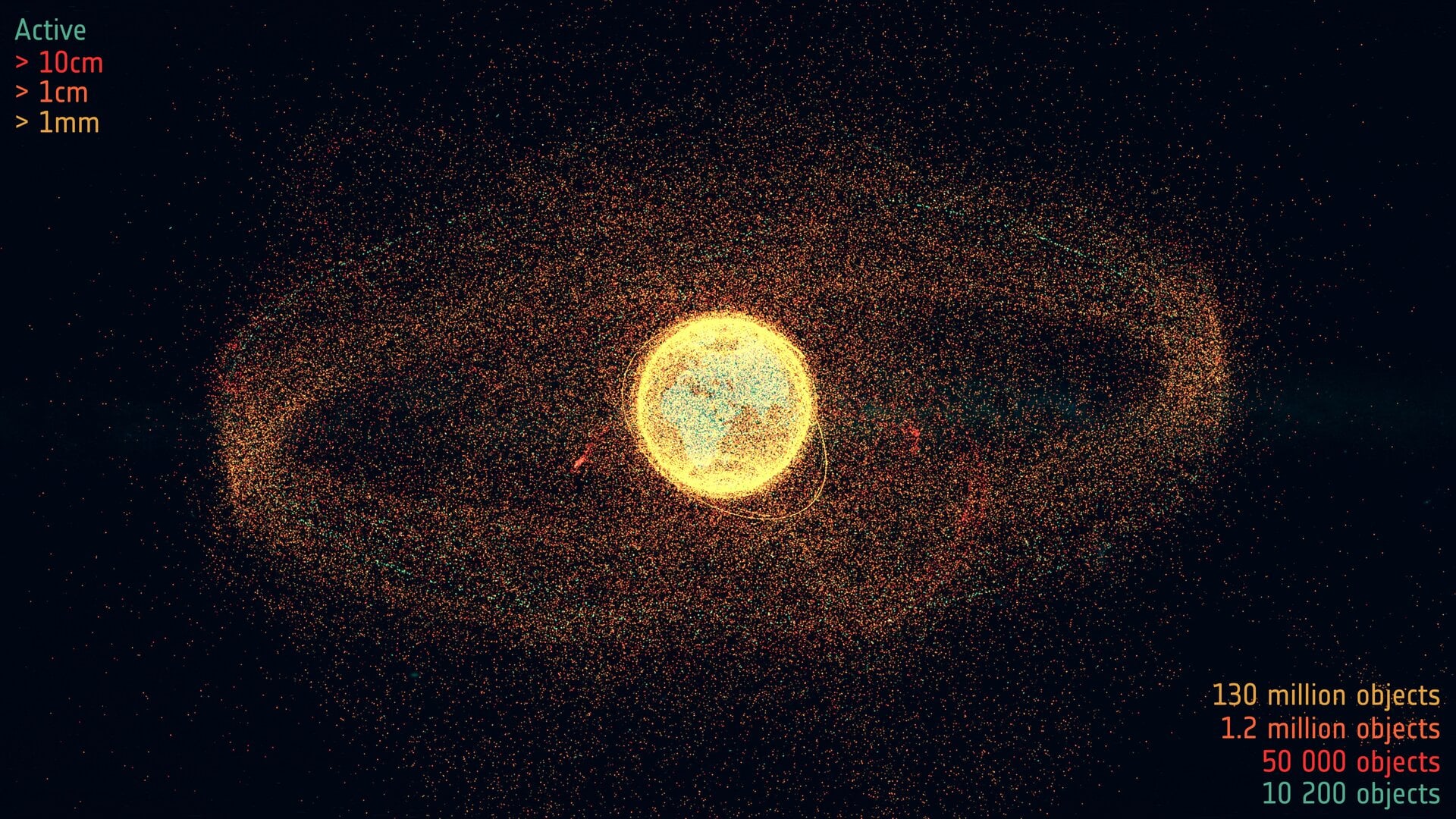
Improved shielding technologies are crucial for extending the lifespan and safety of spacecraft, especially as orbital debris increases. Lighter materials achieved through additive manufacturing can significantly reduce mission costs.
Read Full Story on Universe TodayKey Details
- ● Micrometeoroids approach spacecraft at up to 72 km/s, while orbital debris can collide at up to 15 km/s.
- ● Laser Powder Bed Fusion (LPBF) 3D printing could reduce spacecraft part weight by up to 70%.
- ● The Whipple Shield is the current industry standard for spacecraft impact protection.
Optimistic Outlook
LPBF-produced parts could revolutionize spacecraft design, enabling lighter, more efficient structures. This could lead to more ambitious missions and reduced launch costs, fostering growth in the space industry.
Pessimistic Outlook
LPBF-produced parts currently lack the mechanical rigidity of traditionally machined parts. The increased orbital debris from collisions could negate any protective improvements, leading to Kessler Syndrome.

The Signal, Not
the Noise|
Get the week's top 1% of space-tech intelligence synthesized into a 5-minute read. Join 25,000+ aerospace insiders.
Unsubscribe anytime. No spam, ever.