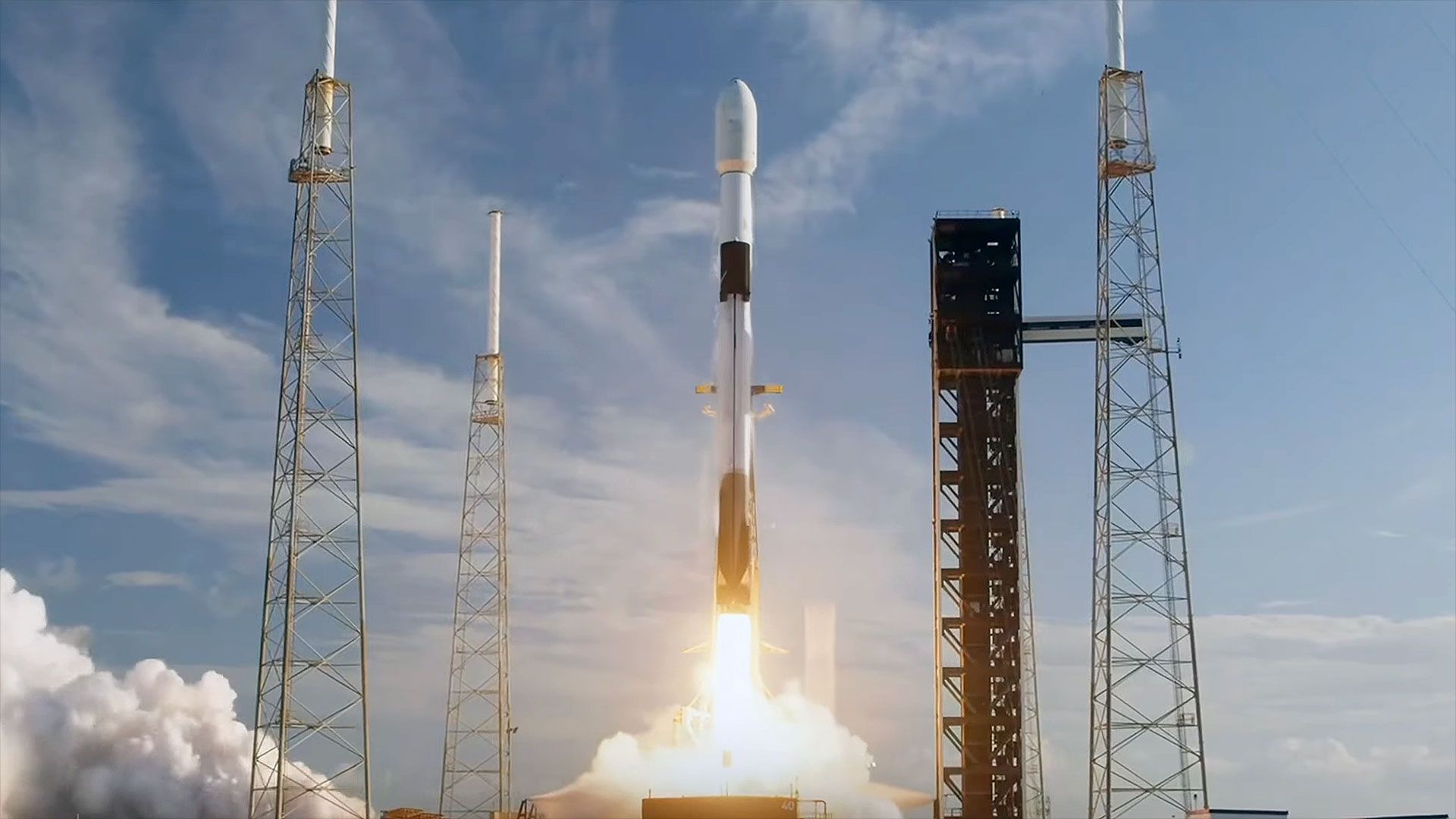
SpaceX Launches Cygnus XL Cargo Spacecraft to ISS
The Gist
SpaceX launched Northrop Grumman's Cygnus XL to the ISS carrying approximately 4,990 kg of supplies and equipment.
Explain Like I'm Five
"Imagine a space truck (Cygnus XL) delivering food and science tools to astronauts on their space house (ISS), launched by a powerful rocket (Falcon 9)."
Deep Intelligence Analysis
The Cygnus XL is one of four robotic cargo spacecraft servicing the ISS, alongside Japan's HTV-X, Russia's Progress, and SpaceX's Dragon. Notably, SpaceX's Dragon is the only reusable freighter among them, highlighting a key difference in mission design and sustainability. The successful deployment of Cygnus XL reinforces the importance of reliable and efficient cargo delivery for the continued operation and research activities on the ISS. Potential risks associated with relying on expendable cargo spacecraft include mission failure and supply chain disruptions. Future developments may focus on enhancing reusability and reducing the overall cost of ISS resupply missions.
*Transparency Disclosure: This analysis was composed by an AI model. While efforts have been made to ensure accuracy, the information should be verified with trusted sources. The AI is continuously learning and improving.*
_Context: This intelligence report was compiled by the DailyOrbitalWire Strategy Engine. Verified for Art. 50 Compliance._
Impact Assessment
The Cygnus XL provides critical resupply to the ISS, enabling ongoing research and operations. Its increased payload capacity compared to the original Cygnus enhances the efficiency of cargo delivery.
Read Full Story on Space.comKey Details
- ● Falcon 9 launched Cygnus XL from Cape Canaveral on April 11 at 7:41 a.m. EDT.
- ● Cygnus XL will deliver about 4,990 kg of cargo to the ISS.
- ● The original Cygnus freighter had a payload capacity of approximately 3,856 kg.
- ● This is the second flight of the Cygnus XL; the first launched in September.
Optimistic Outlook
Increased cargo capacity of Cygnus XL, facilitated by SpaceX's Falcon 9, could accelerate the pace of research on the ISS. Continued successful launches will solidify SpaceX's role in maintaining the station's operational capabilities.
Pessimistic Outlook
Reliance on expendable cargo spacecraft like Cygnus XL, Progress and HTV-X introduces potential risks associated with single-use missions. Failure of a launch could significantly disrupt the supply chain to the ISS.

The Signal, Not
the Noise|
Get the week's top 1% of space-tech intelligence synthesized into a 5-minute read. Join 25,000+ aerospace insiders.
Unsubscribe anytime. No spam, ever.