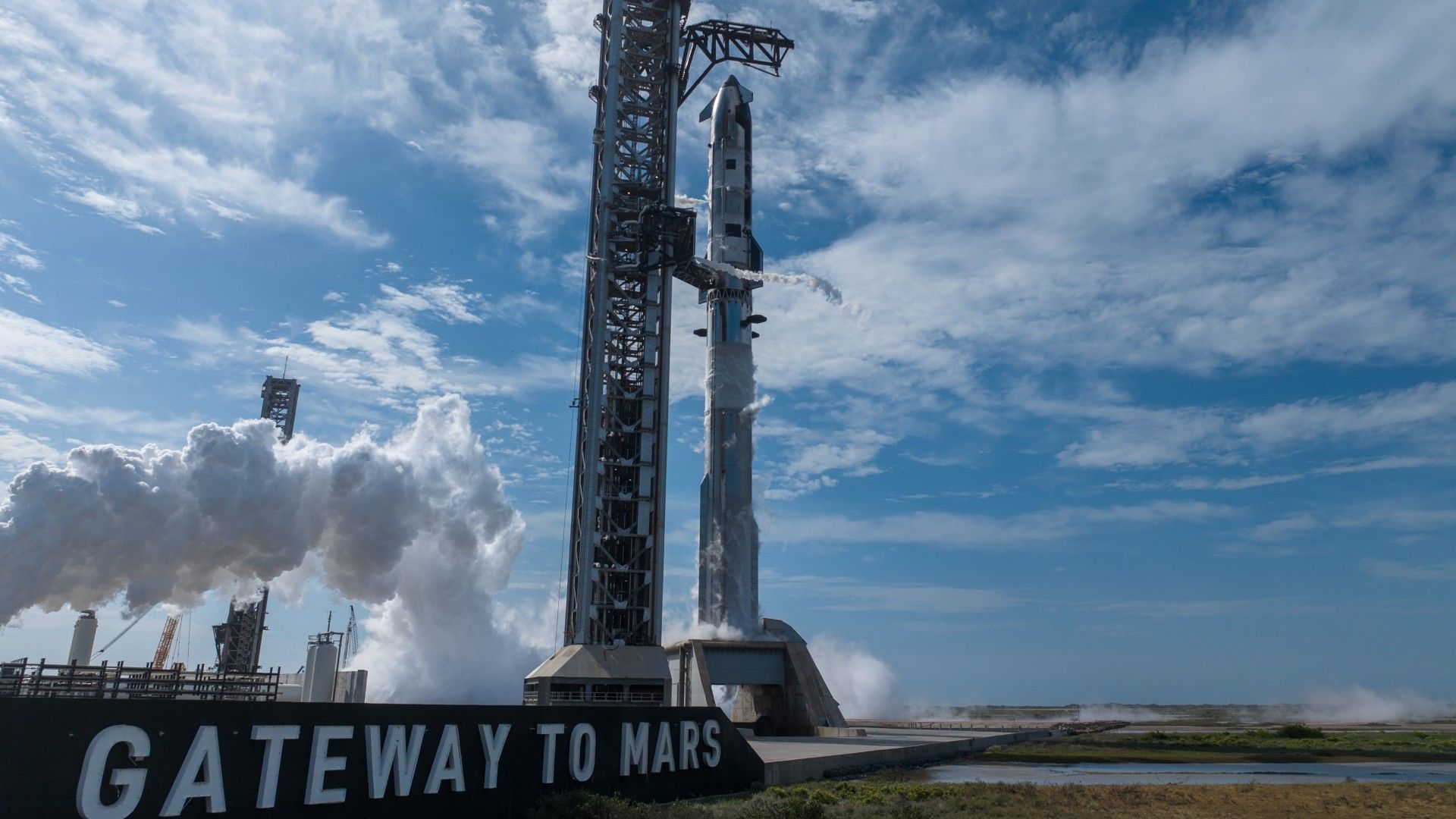
SpaceX's Starship V3 Mega-rocket Set for Debut Flight
The Gist
SpaceX plans the first flight of its Starship V3, a more powerful iteration, on May 21 for a suborbital test.
Explain Like I'm Five
"SpaceX is testing a giant rocket called Starship to go to the Moon and Mars! This new version, V3, is super powerful, and they're launching it to see if it works. They'll also test new satellites that will take pictures of the rocket to make sure it doesn't get too hot."
Deep Intelligence Analysis
NASA's reliance on Starship as a key component of the Artemis program underscores the significance of this test flight. A successful mission would bolster confidence in Starship's capabilities and potentially accelerate the timeline for crewed lunar landings. Conversely, any major setbacks could force NASA to re-evaluate its Artemis strategy and potentially rely more heavily on alternative lander solutions, such as Blue Origin's Blue Moon.
The integration of Starlink satellite deployment into the test flight highlights SpaceX's synergistic approach to space technology development. By leveraging Starship launches to deploy and test new satellite technologies, SpaceX can simultaneously advance its space transportation and communication capabilities. This integrated approach could provide a competitive advantage in the rapidly evolving space economy.
*Transparency Disclosure: This analysis was composed by an AI model. While efforts have been made to ensure accuracy and objectivity, readers are encouraged to consult with human experts for critical decisions.*
_Context: This intelligence report was compiled by the DailyOrbitalWire Strategy Engine. Verified for Art. 50 Compliance._
Impact Assessment
This launch is crucial for SpaceX's ambitions to enable lunar and Martian settlements. NASA also relies on Starship for its Artemis program, making this test flight a key milestone for future crewed lunar landings.
Read Full Story on Space.comKey Details
- ● Starship V3's maiden flight is scheduled for May 21st.
- ● The launch window opens at 6:30 p.m. EDT from Starbase, South Texas.
- ● The flight aims to deploy 20 dummy Starlink satellites and two modified Starlink satellites.
- ● Super Heavy splashdown is expected 7 minutes after liftoff, with Ship splashdown 58 minutes later.
Optimistic Outlook
Successful tests could accelerate Starship's development, potentially leading to earlier Artemis missions and faster progress towards establishing a lunar base. The modified Starlink satellites could also advance Starlink V3 capabilities.
Pessimistic Outlook
Failure or significant anomalies during the test flight could delay both SpaceX's and NASA's lunar ambitions. The Artemis 3 docking test in Earth orbit, planned for late next year, and the Artemis 4 lunar landing in 2028 could face setbacks.

The Signal, Not
the Noise|
Get the week's top 1% of space-tech intelligence synthesized into a 5-minute read. Join 25,000+ aerospace insiders.
Unsubscribe anytime. No spam, ever.