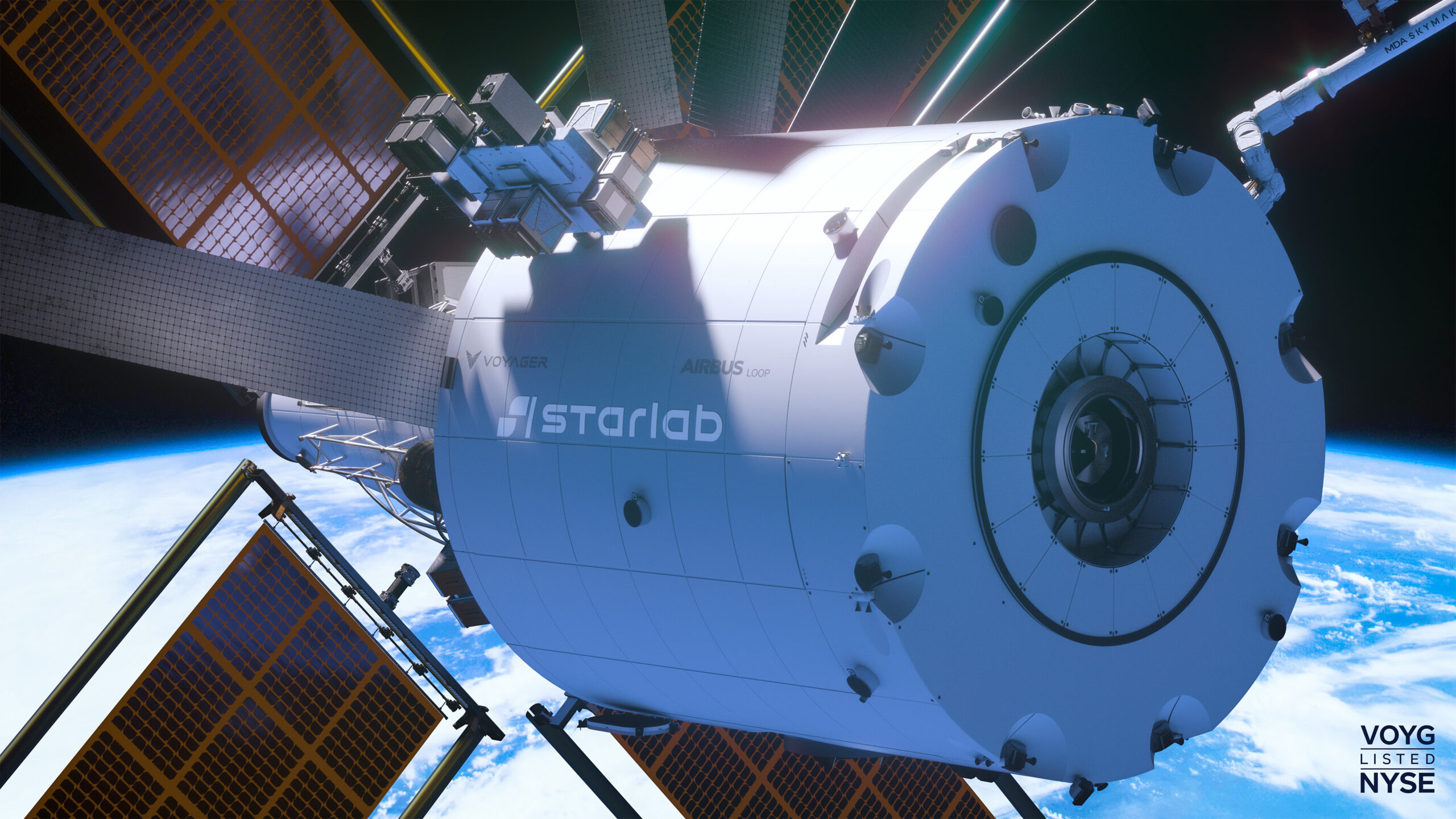
Voyager Technologies Secures First Private Astronaut Mission to ISS
The Gist
Voyager Technologies ($VOYG) has been awarded its first private astronaut mission (PAM) to the ISS, slated for no earlier than 2028.
Explain Like I'm Five
"Imagine space is like a playground. NASA is letting companies like Voyager take people to visit the playground (ISS) before they build their own playgrounds in space!"
Deep Intelligence Analysis
However, NASA's proposed adjustments to the Commercial LEO Destinations (CLD) program reveal underlying concerns about the industry's maturity. The suggestion to purchase a core module for the ISS, where commercial modules could attach, indicates a cautious approach to fostering independent space station development. This shift in strategy could potentially slow down the progress of companies like Voyager, Axiom, and Vast, which are investing heavily in building their own free-flying stations. The industry's pushback against these changes suggests a belief that PAM missions demonstrate a viable business case for commercial space stations.
The long-term success of these ventures hinges on factors such as sustained government support, technological advancements, and the development of a robust space economy. While the PAM missions offer a promising start, the industry must overcome regulatory hurdles, address sustainability concerns, and ensure the safety and reliability of space infrastructure to achieve its full potential. The interplay between government and private sector initiatives will be crucial in shaping the future of space exploration and commercialization.
_Context: This intelligence report was compiled by the DailyOrbitalWire Strategy Engine. Verified for Art. 50 Compliance._
Impact Assessment
Voyager's mission signifies increasing competition in the commercial space station sector. It validates the growing business case for private astronaut missions and the development of commercial LEO destinations.
Read Full Story on Payload SpaceKey Details
- ● Voyager Technologies secured its first private astronaut mission to the ISS.
- ● The mission is targeted for launch no earlier than 2028.
- ● This is NASA's seventh PAM award.
- ● Vast won its first mission in February, targeting a summer 2027 flight.
Optimistic Outlook
Voyager's successful bid strengthens the commercial LEO ecosystem, potentially accelerating the development of independent space stations. Increased competition among providers like Axiom, Vast, and Voyager could drive down costs and increase access to space.
Pessimistic Outlook
NASA's proposed changes to the CLD program, suggesting a core module purchase for the ISS, indicate concerns about the industry's maturity. Delays in mission timelines and potential funding uncertainties could hinder the progress of commercial space station development.

The Signal, Not
the Noise|
Get the week's top 1% of space-tech intelligence synthesized into a 5-minute read. Join 25,000+ aerospace insiders.
Unsubscribe anytime. No spam, ever.