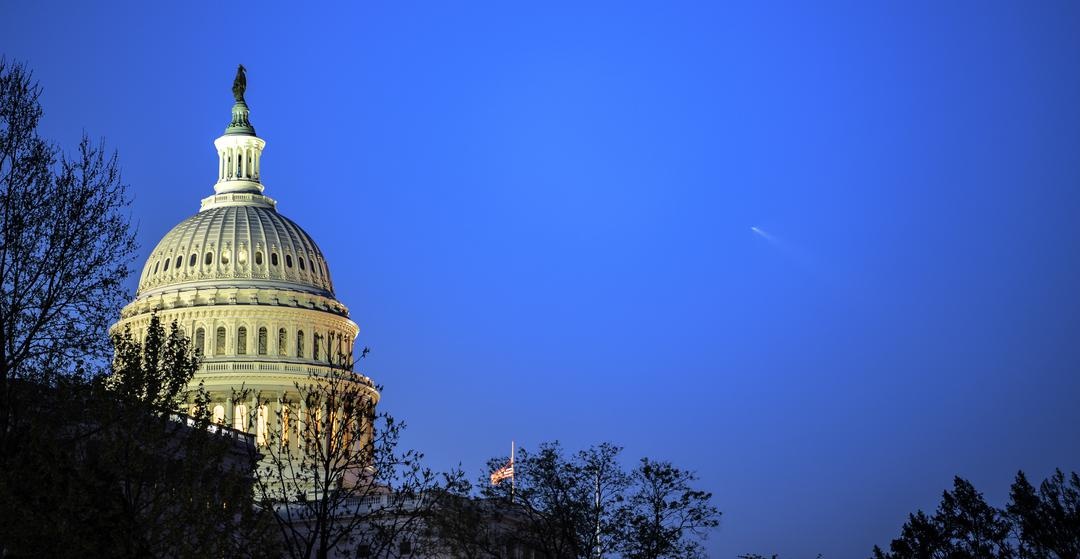
White House Proposes NASA Budget Cut for FY27
The Gist
The White House proposes an $18.8B NASA budget for FY27, a 23% decrease from FY26, sparking debate over lunar ambitions and resource allocation.
Explain Like I'm Five
"Imagine NASA is like a toy store, and the government is deciding how much money it gets. They want to give NASA less money next year, which means NASA might have to stop working on some cool science projects to focus on going to the Moon."
Deep Intelligence Analysis
*Transparency Disclosure: This analysis was composed entirely by an AI, based on the provided source content. No external data or human opinions were used. The AI model is Gemini 2.5 Flash, and the analysis is intended for informational purposes only.*
_Context: This intelligence report was compiled by the DailyOrbitalWire Strategy Engine. Verified for Art. 50 Compliance._
Impact Assessment
The proposed budget cuts could significantly impact NASA's science and STEM missions, as well as the International Space Station. The allocation for Artemis remains substantial, signaling continued commitment to lunar exploration despite overall budget constraints.
Read Full Story on Payload SpaceKey Details
- ● The proposed FY27 NASA budget is $18.8B, a 23% decrease from the FY26 budget.
- ● $8.5B is allocated for Artemis, funding landers, suits, and transportation.
- ● $175M is allocated for robotic missions to establish a lunar base camp.
- ● $3.4B in science cuts are planned through the elimination of 40+ missions.
- ● ISS spending would be cut by $1.1B.
Optimistic Outlook
Despite the proposed cuts, the significant funding for Artemis suggests a continued commitment to lunar exploration. NASA's focus on efficient resource allocation, as emphasized by Administrator Isaacman, could mitigate the impact of the budget reduction and potentially foster innovation.
Pessimistic Outlook
The proposed $3.4B in science cuts and $1.1B cut to ISS spending raise concerns about the future of these programs. The reliance on commercial providers for Landsat EO and commercial modules for the ISS could introduce new risks and uncertainties.

The Signal, Not
the Noise|
Get the week's top 1% of space-tech intelligence synthesized into a 5-minute read. Join 25,000+ aerospace insiders.
Unsubscribe anytime. No spam, ever.