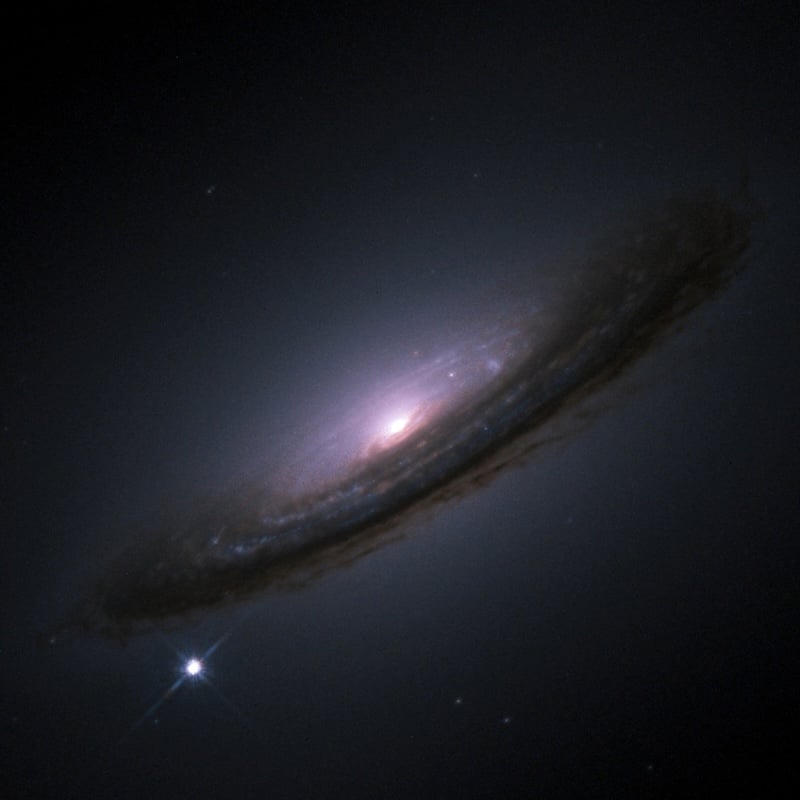
AI Boosts Supernova Data Analysis, Unlocking 99% of Previously Discarded Information
The Gist
A new AI method, CIGaRS, unlocks 99% of supernova data previously discarded due to analysis bottlenecks.
Explain Like I'm Five
"Imagine astronomers finding lots of shiny stars exploding, but only having time to look closely at a tiny few. Now, a smart computer can look at all the stars and tell us much more about the universe!"
Deep Intelligence Analysis
*Transparency Disclosure: This analysis was conducted by an AI model to provide a concise summary of the provided article. The AI model has been trained to avoid generating misleading or harmful content. The analysis is intended for informational purposes only and should not be considered professional advice.*
_Context: This intelligence report was compiled by the DailyOrbitalWire Strategy Engine. Verified for Art. 50 Compliance._
Impact Assessment
This breakthrough allows astronomers to utilize a vast amount of previously untapped data, improving the precision of cosmological measurements. It could lead to a better understanding of dark energy and the expansion of the universe.
Read Full Story on Universe TodayKey Details
- ● The Vera Rubin Observatory is expected to discover over 100,000 Type Ia supernovae annually.
- ● Traditional methods analyze spectroscopic data from only 1% of observed supernovae.
- ● CIGaRS uses artificial intelligence and neural networks to analyze photometric data.
- ● CIGaRS achieved cosmological measurements four times more precise than spectroscopic methods in simulations.
Optimistic Outlook
The increased precision in supernova data analysis could revolutionize our understanding of cosmology, potentially resolving long-standing questions about the nature of dark energy. This could accelerate the development of new cosmological models and theories.
Pessimistic Outlook
The reliance on AI introduces potential biases and uncertainties that need to be carefully addressed. The accuracy of CIGaRS depends on the quality and completeness of the training data, and further validation is needed to ensure its robustness.

The Signal, Not
the Noise|
Get the week's top 1% of space-tech intelligence synthesized into a 5-minute read. Join 25,000+ aerospace insiders.
Unsubscribe anytime. No spam, ever.