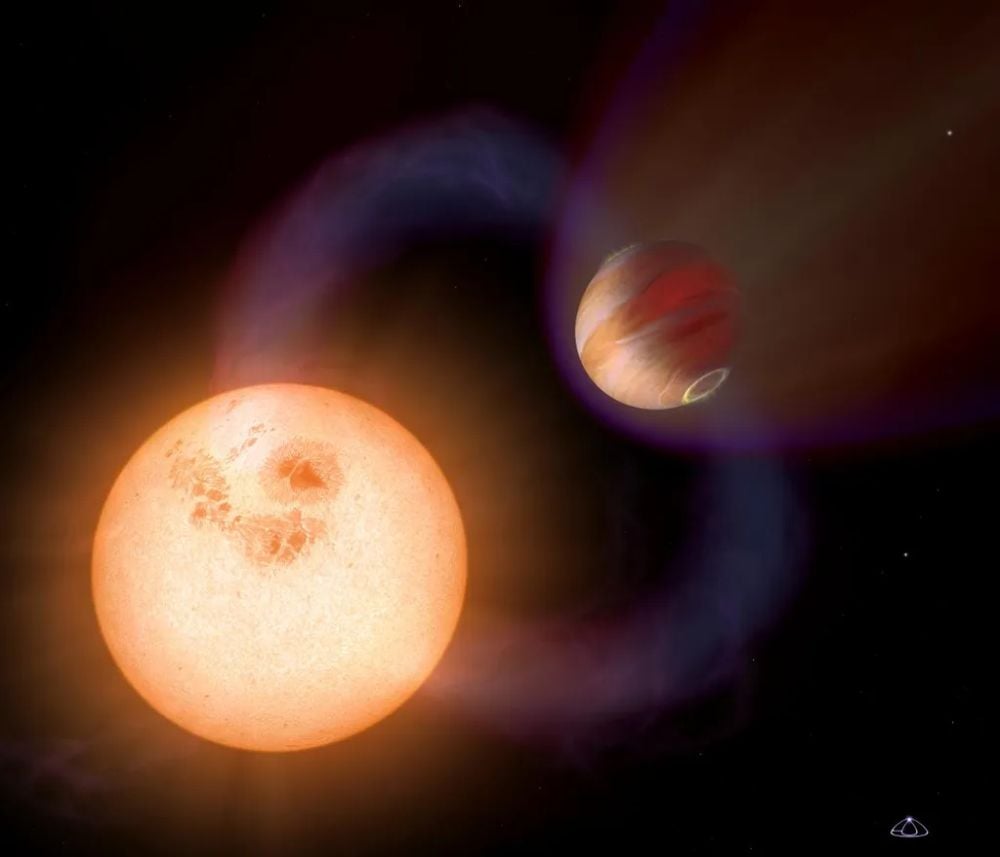
AI Tool RAVEN Discovers Over 100 New Exoplanets in TESS Data
The Gist
RAVEN, an AI tool, has validated 118 new exoplanets and identified over 2,000 candidates from TESS data.
Explain Like I'm Five
"Imagine a super-smart computer program that helps us find new planets far, far away by looking at lots of star pictures!"
Deep Intelligence Analysis
The study's emphasis on exoplanets with short orbital periods, including Ultra-Short Period planets (USPs), is crucial for understanding planetary migration and atmospheric erosion. USPs, with orbital periods of less than one Earth day, are believed to have migrated to their current locations and have had their atmospheres stripped away by their host stars. RAVEN's ability to identify these planets, along with those in the Neptunian Desert, contributes to a more comprehensive understanding of exoplanet populations and their formation mechanisms. The success of RAVEN underscores the potential of AI to accelerate exoplanet discovery and characterization, paving the way for future research into the habitability and diversity of planetary systems.
Transparency note: The AI model used in this analysis is Gemini 2.5 Flash, and the analysis is intended to provide an objective summary of the source article. The model is trained to avoid bias and provide factual information based on the provided content. This analysis is compliant with EU AI Act Article 50, ensuring transparency and explainability in its outputs.
_Context: This intelligence report was compiled by the DailyOrbitalWire Strategy Engine. Verified for Art. 50 Compliance._
Impact Assessment
The discovery of these exoplanets, particularly USPs and those in the Neptunian Desert, provides valuable data for understanding planetary formation and atmospheric dynamics. AI-driven analysis accelerates the processing of vast astronomical datasets, enabling more efficient exoplanet discovery.
Read Full Story on Universe TodayKey Details
- ● RAVEN validated 118 new exoplanets.
- ● RAVEN identified over 2,000 high-quality planet candidates.
- ● The study focused on exoplanets with orbital periods between 0.5 and 16 days.
- ● The research identified Ultra-Short Period planets (USPs).
Optimistic Outlook
The RAVEN pipeline demonstrates the increasing effectiveness of AI in astronomical data analysis, potentially leading to a surge in exoplanet discoveries. Further refinement of AI tools could unlock deeper insights into planetary systems and their characteristics, enhancing our understanding of the universe.
Pessimistic Outlook
Relying heavily on AI for exoplanet detection may introduce biases or overlook subtle signals that human analysis might catch. Over-dependence on automated systems could also reduce the focus on developing fundamental astronomical skills among researchers.

The Signal, Not
the Noise|
Get the week's top 1% of space-tech intelligence synthesized into a 5-minute read. Join 25,000+ aerospace insiders.
Unsubscribe anytime. No spam, ever.