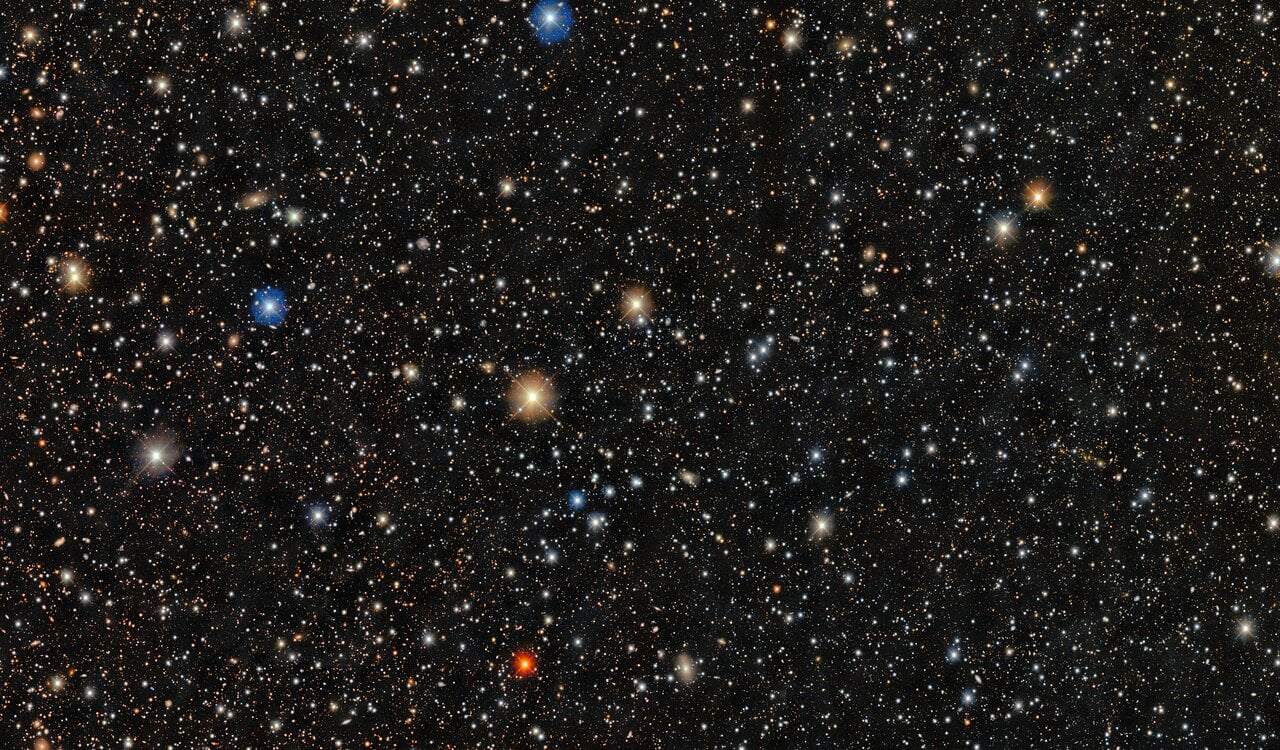
Ancient Star Reveals Clues to Early Universe Chemistry
The Gist
A chemically peculiar star, PicII-503, found in the Pictor II dwarf galaxy, offers insights into the chemical composition of the universe's first stars.
Explain Like I'm Five
"Imagine the first stars were like chefs cooking up ingredients. PicII-503 is like a very old recipe card that tells us what those first chefs used!"
Deep Intelligence Analysis
Transparency note: The AI-generated content above is based on the provided source material. All claims and analyses are derived directly from the source. No external information was used in the creation of this content.
_Context: This intelligence report was compiled by the DailyOrbitalWire Strategy Engine. Verified for Art. 50 Compliance._
Impact Assessment
Studying stars like PicII-503 helps understand the chemical evolution in the early universe. These stars act as time capsules, preserving elements from the first stars and providing insights into their formation and death.
Read Full Story on Universe TodayKey Details
- ● PicII-503 is a second-generation star with extremely low iron content but enhanced carbon.
- ● Pictor II is a satellite galaxy of the Large Magellanic Cloud, located 150,000 light-years away.
- ● PicII-503 contains primordial hydrogen and helium with low amounts of heavy elements.
Optimistic Outlook
Further research on similar stars in Pictor II could unlock more secrets about the universe's earliest chemical processes. This could refine models of stellar evolution and the formation of galaxies.
Pessimistic Outlook
The rarity of these chemically primitive stars makes them difficult to find and study. Limited data may hinder comprehensive understanding of early cosmic chemistry.

The Signal, Not
the Noise|
Get the week's top 1% of space-tech intelligence synthesized into a 5-minute read. Join 25,000+ aerospace insiders.
Unsubscribe anytime. No spam, ever.