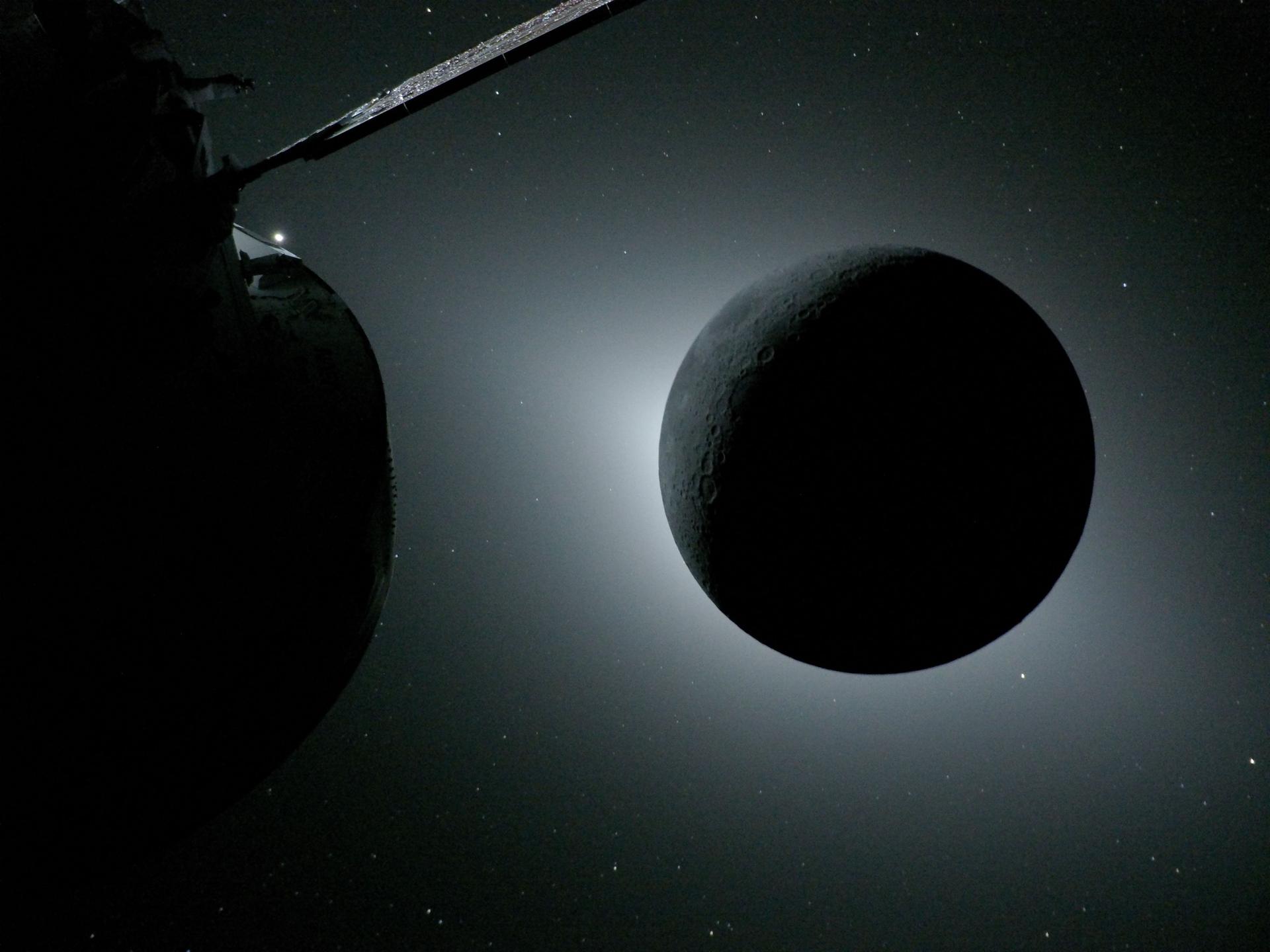
Artemis II Sends First Moon Flyby Photos, Reveals Lunar Details
The Gist
Artemis II astronauts captured the first flyby images of the Moon, revealing previously unseen regions and valuable scientific data.
Explain Like I'm Five
"Imagine taking pictures of the Moon from a spaceship! Astronauts on Artemis II did just that, showing us parts of the Moon we've never seen before, like big holes (craters) and old lava flows. These pictures will help us learn more about the Moon and plan future trips!"
Deep Intelligence Analysis
The crew's observations of earthset, earthrise, and solar eclipse views offer unique perspectives and scientific opportunities. The reported meteoroid impact flashes, while requiring further analysis and corroboration, highlight the dynamic nature of the lunar surface and the importance of understanding the space environment. The mission's data will be used to refine the timing and locations of these events, potentially improving our ability to predict and mitigate risks to future lunar assets.
Furthermore, the Artemis II mission serves as a crucial test flight for the Orion spacecraft and its life support systems, validating the technologies and procedures necessary for long-duration spaceflight. The crew's performance and the successful downlink of images, audio, and data demonstrate the readiness of the Artemis program to move forward with more ambitious lunar missions, including the establishment of a sustainable lunar base and the eventual crewed missions to Mars. The mission's success reinforces the importance of international collaboration in space exploration, with the participation of the Canadian Space Agency (CSA) astronaut Jeremy Hansen.
_Context: This intelligence report was compiled by the DailyOrbitalWire Strategy Engine. Verified for Art. 50 Compliance._
Impact Assessment
The Artemis II mission provides crucial data on the Moon's geology and environment, informing future lunar exploration and paving the way for sustained lunar presence. The high-resolution imagery and scientific observations will aid in planning future missions to Mars.
Read Full Story on NASA ArtemisKey Details
- ● Artemis II completed a seven-hour flyby of the lunar far side on April 6.
- ● The crew documented impact craters, ancient lava flows, and surface fractures.
- ● Astronauts observed an earthset and earthrise, and captured solar-eclipse views of the Sun’s corona.
- ● The crew reported six meteoroid impact flashes on the darkened lunar surface.
Optimistic Outlook
The successful flyby and image capture demonstrate the capabilities of the Artemis program, increasing confidence in future lunar missions and the establishment of a long-term lunar base. The data collected will accelerate scientific discovery and resource utilization efforts on the Moon.
Pessimistic Outlook
Delays in data analysis or unexpected geological findings could potentially impact the timeline and resource allocation for future Artemis missions. The reliance on amateur astronomers for corroborating meteoroid impact data introduces a potential source of error.

The Signal, Not
the Noise|
Get the week's top 1% of space-tech intelligence synthesized into a 5-minute read. Join 25,000+ aerospace insiders.
Unsubscribe anytime. No spam, ever.