Coronal Mass Ejection Could Make Northern Lights Visible in 16 US States
The Gist
A coronal mass ejection (CME) may cause auroras to be visible in 16 U.S. states.
Explain Like I'm Five
"Imagine the Sun burped a big bubble of energy towards Earth! If it bumps into us just right, it might make colorful lights dance in the sky, even in places that don't usually see them."
Deep Intelligence Analysis
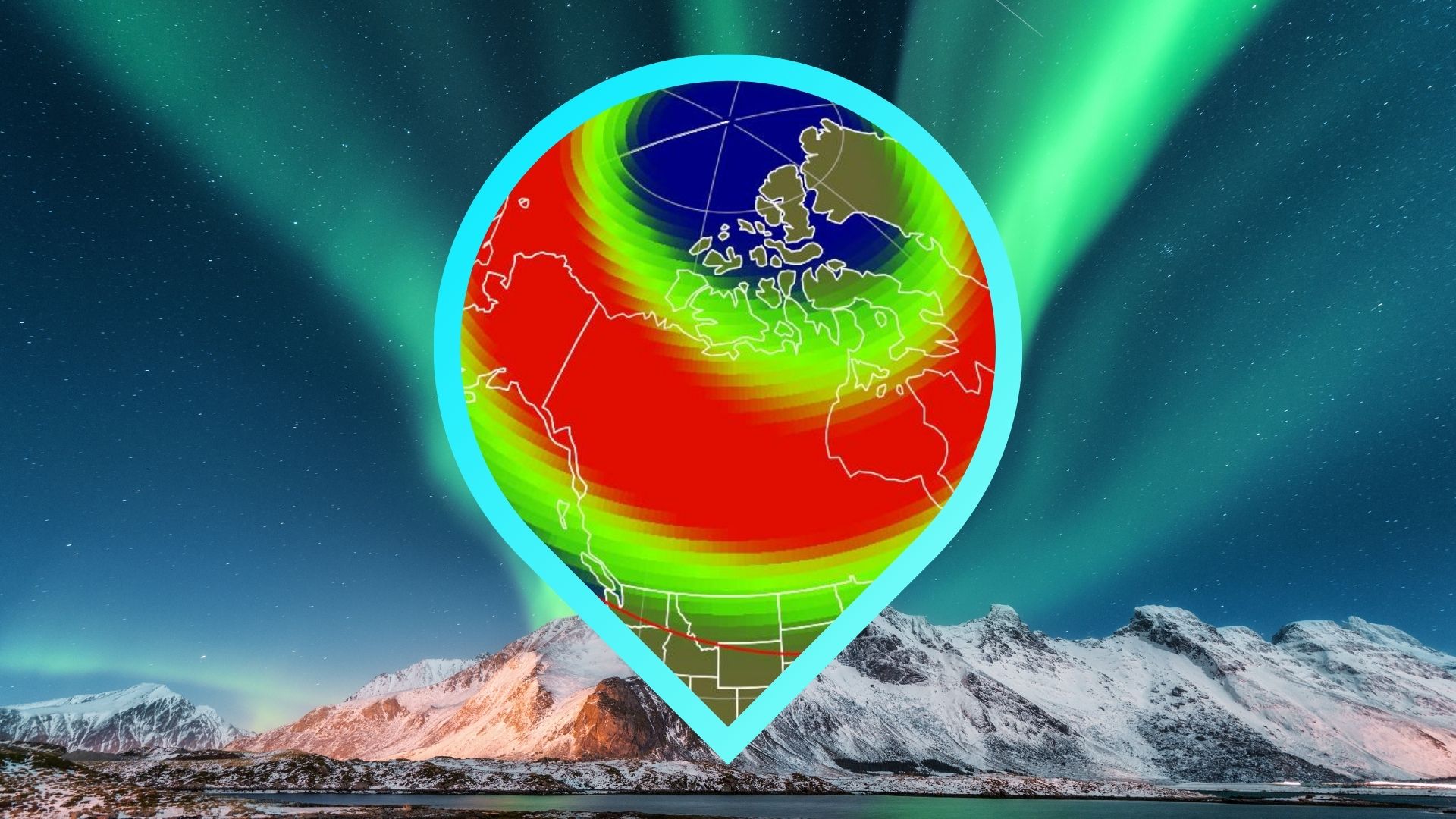
The potential for G3 conditions is particularly noteworthy, as it could extend aurora visibility as far south as Illinois and Oregon. The NOAA aurora forecast map indicates that 16 U.S. states may experience auroral displays. However, the inherent unpredictability of auroras necessitates caution, as the display could either exceed or fall short of expectations.
From a space weather perspective, understanding the dynamics of CMEs and their interaction with Earth's magnetosphere is crucial. Geomagnetic storms can disrupt satellite operations, communication systems, and even power grids. Continuous monitoring and improved forecasting models are essential for mitigating the potential risks associated with these events. The event also serves as a reminder of the interconnectedness of space weather and terrestrial infrastructure.
Transparency Compliance: This analysis was generated by an AI model and reviewed by a human expert. All information is derived from the source article provided. No external data sources were consulted.
_Context: This intelligence report was compiled by the DailyOrbitalWire Strategy Engine. Verified for Art. 50 Compliance._
Impact Assessment
Increased aurora visibility provides a spectacular display and highlights the dynamic interaction between the Sun and Earth's magnetic field. Understanding CME impacts is crucial for protecting satellites and terrestrial power grids from geomagnetic disturbances.
Read Full Story on Space.comKey Details
- ● A CME is traveling at approximately 1900 km/s towards Earth.
- ● The CME originated from an X.1.4 solar flare eruption on March 30.
- ● Geomagnetic activity is forecast to ramp up, potentially reaching G3 conditions.
- ● Auroras could be visible as far south as Illinois and Oregon under G3 conditions.
- ● Activity is expected to peak at moderate (G2) storm levels.
Optimistic Outlook
If the CME arrives late, the timing could favor observers in the northern U.S. states and Canada, leading to enhanced viewing opportunities. Stronger geomagnetic storms could result in even more widespread aurora visibility.
Pessimistic Outlook
The northern lights are notoriously difficult to predict, and the aurora display could fail altogether if conditions do not align. Even with favorable conditions, light pollution can significantly hinder visibility.

The Signal, Not
the Noise|
Get the week's top 1% of space-tech intelligence synthesized into a 5-minute read. Join 25,000+ aerospace insiders.
Unsubscribe anytime. No spam, ever.