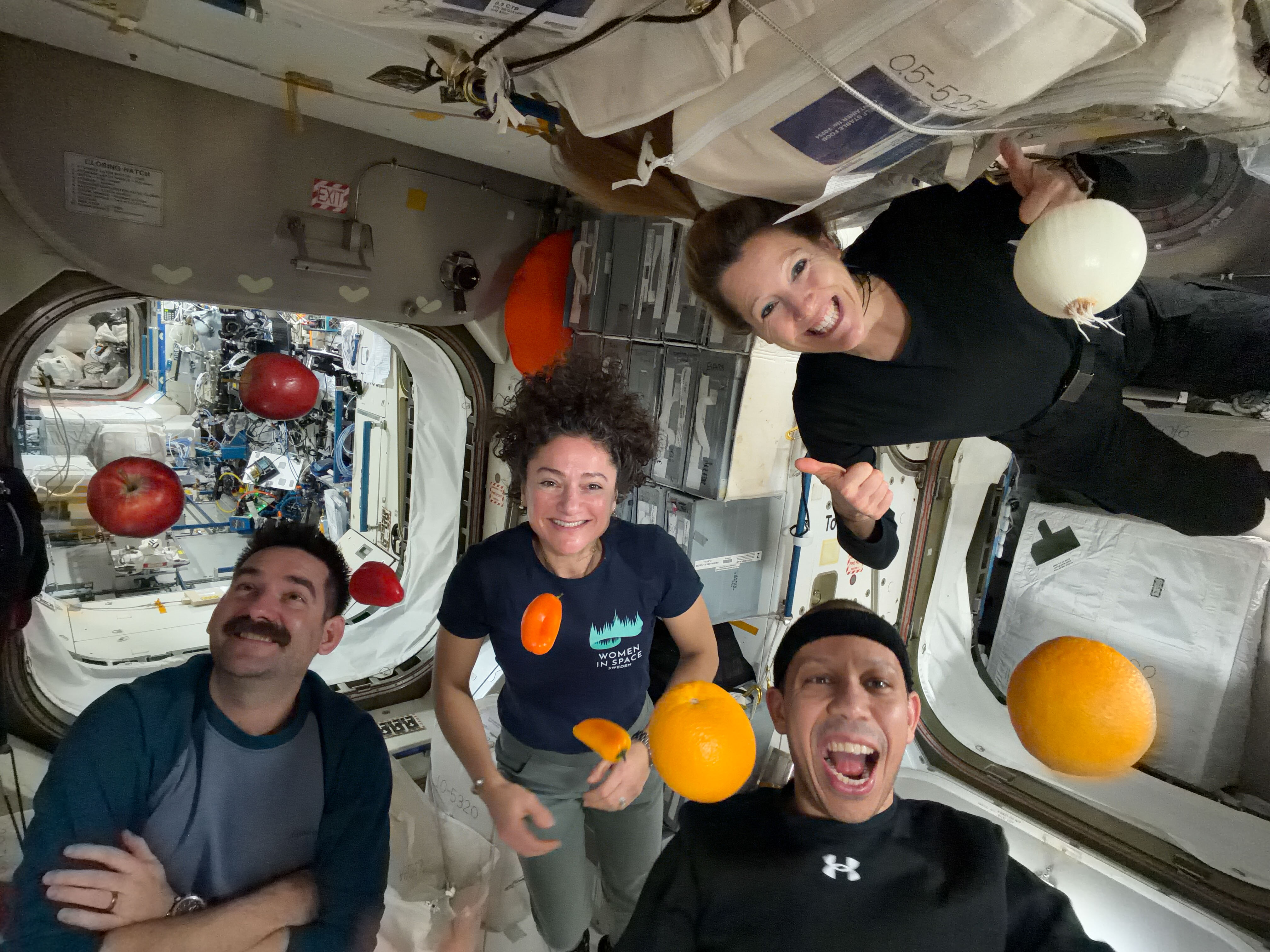
Cygnus XL Delivers Fresh Food, Research Hardware to ISS
The Gist
Northrop Grumman's Cygnus XL delivered fresh food and over 2,300 pounds of research hardware to the International Space Station.
Explain Like I'm Five
"Imagine sending a big box of food, science toys, and air tanks to astronauts living in a house in space!"
Deep Intelligence Analysis
From a market perspective, the success of Cygnus XL reinforces Northrop Grumman's position as a key player in the space logistics sector. The ongoing demand for ISS resupply missions creates a stable revenue stream for companies providing cargo delivery services. However, the space logistics market is becoming increasingly competitive, with new entrants and evolving technologies potentially disrupting established players. The development of reusable cargo spacecraft and in-situ resource utilization (ISRU) technologies could significantly alter the economics of space resupply in the long term.
Ultimately, the Cygnus XL mission demonstrates the interconnectedness of space exploration, scientific research, and commercial space activities. The continued success of ISS resupply missions is vital for advancing our understanding of space and paving the way for future human spaceflight endeavors.
_Context: This intelligence report was compiled by the DailyOrbitalWire Strategy Engine. Verified for Art. 50 Compliance._
Impact Assessment
Timely resupply missions are crucial for maintaining astronaut health and enabling ongoing research in microgravity. The Cygnus XL's delivery supports critical experiments and ensures the well-being of the ISS crew.
Read Full Story on NASA Space StationKey Details
- ● Cygnus XL delivered fresh food including oranges, apples, onions, and peppers.
- ● The spacecraft also delivered 2,300 pounds of research hardware and science experiments.
- ● Experiments include studies on blood stem cells and astronaut gut health.
- ● Delivered hardware included an advanced exercise system, eye-imaging hardware, and oxygen/nitrogen tanks.
Optimistic Outlook
Regular resupply missions like this demonstrate the continued commitment to space exploration and the support of long-duration missions. Advancements in cargo delivery systems could lead to more efficient and frequent resupply capabilities, enhancing research opportunities.
Pessimistic Outlook
Delays or failures in resupply missions could jeopardize ongoing research and impact the health and morale of the ISS crew. Dependence on a single provider also introduces risk; diversification of resupply options is crucial.

The Signal, Not
the Noise|
Get the week's top 1% of space-tech intelligence synthesized into a 5-minute read. Join 25,000+ aerospace insiders.
Unsubscribe anytime. No spam, ever.