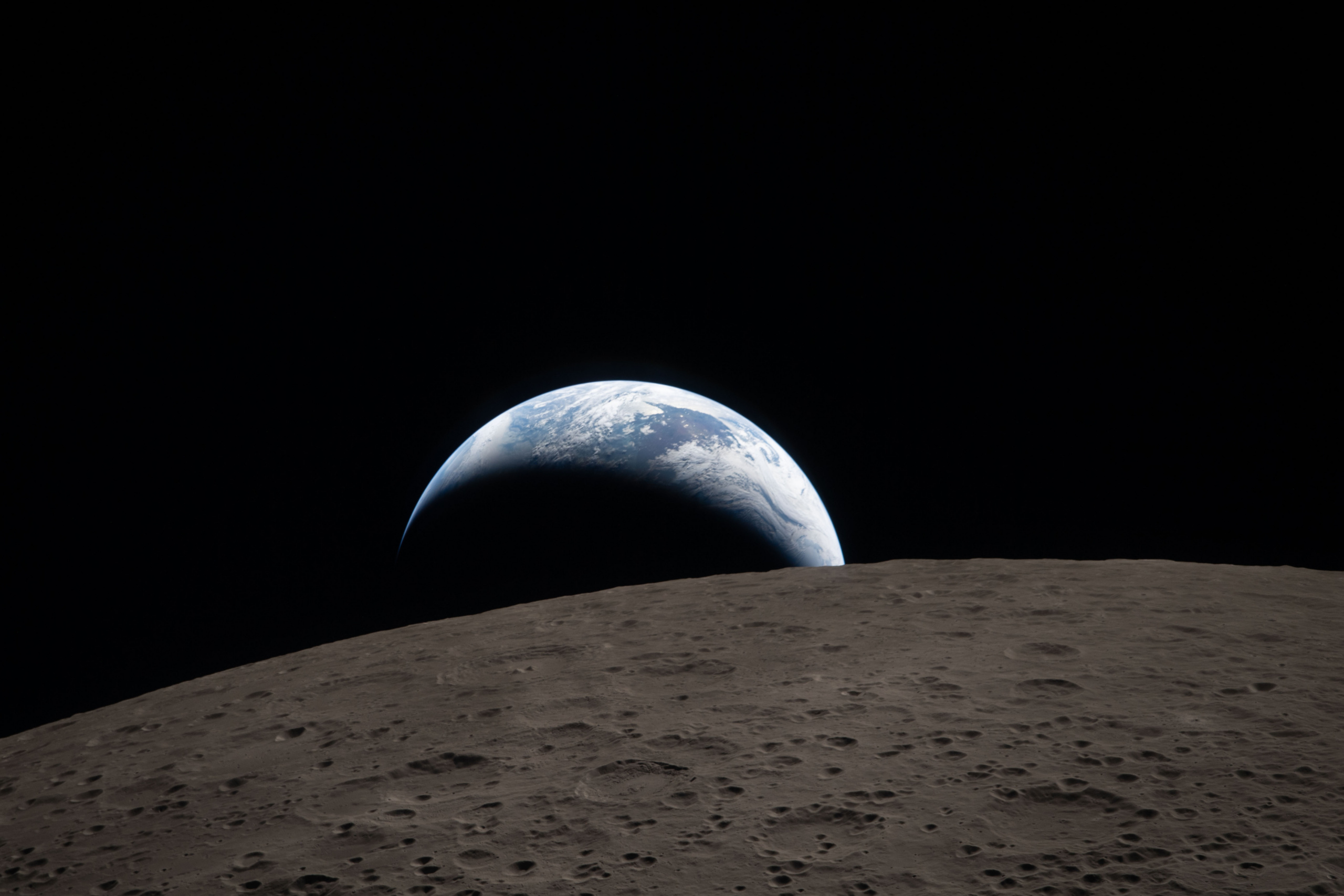
Czech Radiation Chips Monitor Artemis II Astronauts
The Gist
Czech ADVACAM chips on Artemis II monitor radiation, building on ISS experience to enhance spaceflight safety.
Explain Like I'm Five
"Imagine tiny shields that protect astronauts from space rays, like sunscreen! These chips help us make better shields for future trips to the Moon."
Deep Intelligence Analysis
The chip technology originated from the Large Hadron Collider and was adapted for space applications through collaborations with CERN, the Czech Technical University in Prague, the University of Houston, and JSC. ADVACAM has previously flown versions of HERA on Orion during Exploration Test Flight-1 and Artemis I, demonstrating the evolution and refinement of their radiation monitoring capabilities.
The data collected on Artemis II will be used to verify the effectiveness of Orion's radiation shielding and inform the design of future spacecraft. By understanding the impact of radiation on spacecraft components, ADVACAM aims to help companies make informed design decisions that reduce the risk of spacecraft damage and the creation of space debris. Furthermore, ADVACAM envisions embedding sensors on various spacecraft to forecast radiation conditions in LEO, benefiting a wide range of applications beyond spaceflight.
_Context: This intelligence report was compiled by the DailyOrbitalWire Strategy Engine. Verified for Art. 50 Compliance._
Impact Assessment
Understanding and mitigating radiation risks is crucial for ensuring astronaut safety and spacecraft reliability in deep space missions. ADVACAM's technology contributes to reducing the likelihood of spacecraft damage and space debris creation.
Read Full Story on Payload SpaceKey Details
- ● ADVACAM's HERA instrument, with six chips, measures radiation effects on Artemis II astronauts and Orion electronics.
- ● HERA serves as an early warning system for solar flares during solar maximum.
- ● The chip technology originated from the Large Hadron Collider and was first tested on the ISS in 2012.
- ● ADVACAM flew versions of HERA on Orion during Exploration Test Flight-1 (2014) and Artemis I (2022).
- ● Data from Artemis II will inform future spacecraft design for better radiation shielding.
Optimistic Outlook
Improved radiation shielding based on Artemis II data will enhance the safety and longevity of future space missions. ADVACAM's sensors could also be used to forecast radiation conditions in LEO, benefiting spacecraft, high-altitude flights, and critical infrastructure.
Pessimistic Outlook
Unexpectedly high radiation levels could necessitate design changes for future Orion spacecraft and limit mission durations. Dependence on stowage bags for radiation shielding highlights the need for more robust, integrated protection systems.

The Signal, Not
the Noise|
Get the week's top 1% of space-tech intelligence synthesized into a 5-minute read. Join 25,000+ aerospace insiders.
Unsubscribe anytime. No spam, ever.