ESA's Proba-3 Satellite Reestablishes Contact After Month-Long Silence
The Gist
ESA's Proba-3 Coronagraph satellite, part of a solar-eclipse mission, has regained contact after a month of silence.
Explain Like I'm Five
"Imagine two friends holding hands to block the sun so you can see its fuzzy edges. One friend went missing, but now they're back, so they can play the game again!"
Deep Intelligence Analysis
Transparency note: This analysis is based solely on the provided article and aims to present the information objectively. No external sources were used. The analysis was performed by an AI model to provide a concise and informative summary of the events.
_Context: This intelligence report was compiled by the DailyOrbitalWire Strategy Engine. Verified for Art. 50 Compliance._
Impact Assessment
The Proba-3 mission's success hinges on the Coronagraph's functionality, as it studies the sun's corona. Reestablishing contact is crucial for the mission's goals of precise formation flying and solar observation.
Read Full Story on Space.comKey Details
- ● The Coronagraph satellite lost contact in mid-February due to an anomaly.
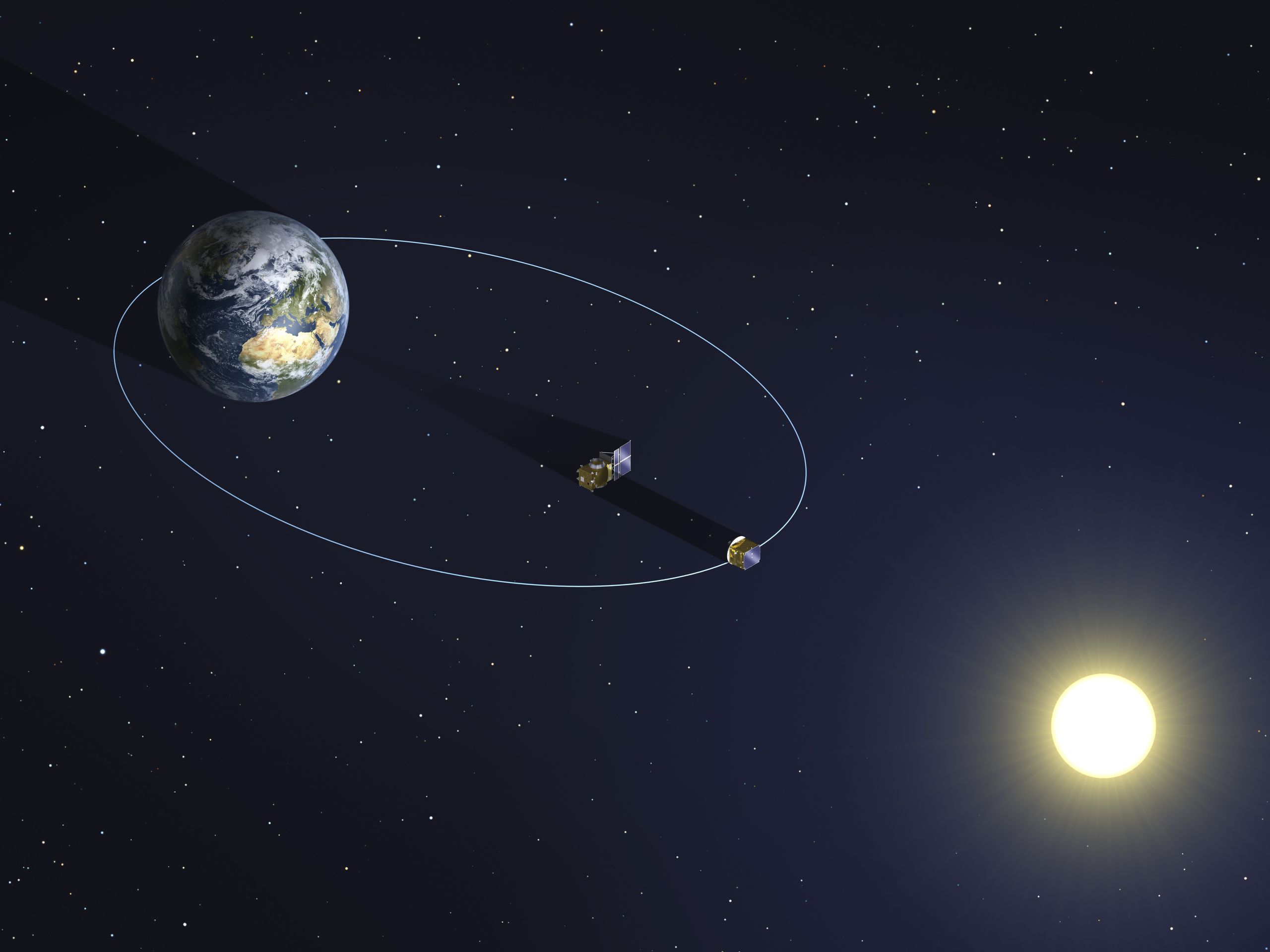
- ● Proba-3 consists of two satellites: the Coronagraph and the Occulter.
- ● The satellites fly in formation 150 meters apart with millimeter accuracy to create artificial solar eclipses.
- ● The Coronagraph is currently in a stable, safe mode, with health checks underway.
Optimistic Outlook
If the health checks reveal no significant damage, the Proba-3 mission can resume its scientific objectives. The successful recovery demonstrates ESA's expertise in spacecraft operations and anomaly resolution.
Pessimistic Outlook
The month-long exposure to extreme cold could have caused damage to the Coronagraph's systems. The mission's future depends on the outcome of the ongoing health checks.

The Signal, Not
the Noise|
Get the week's top 1% of space-tech intelligence synthesized into a 5-minute read. Join 25,000+ aerospace insiders.
Unsubscribe anytime. No spam, ever.