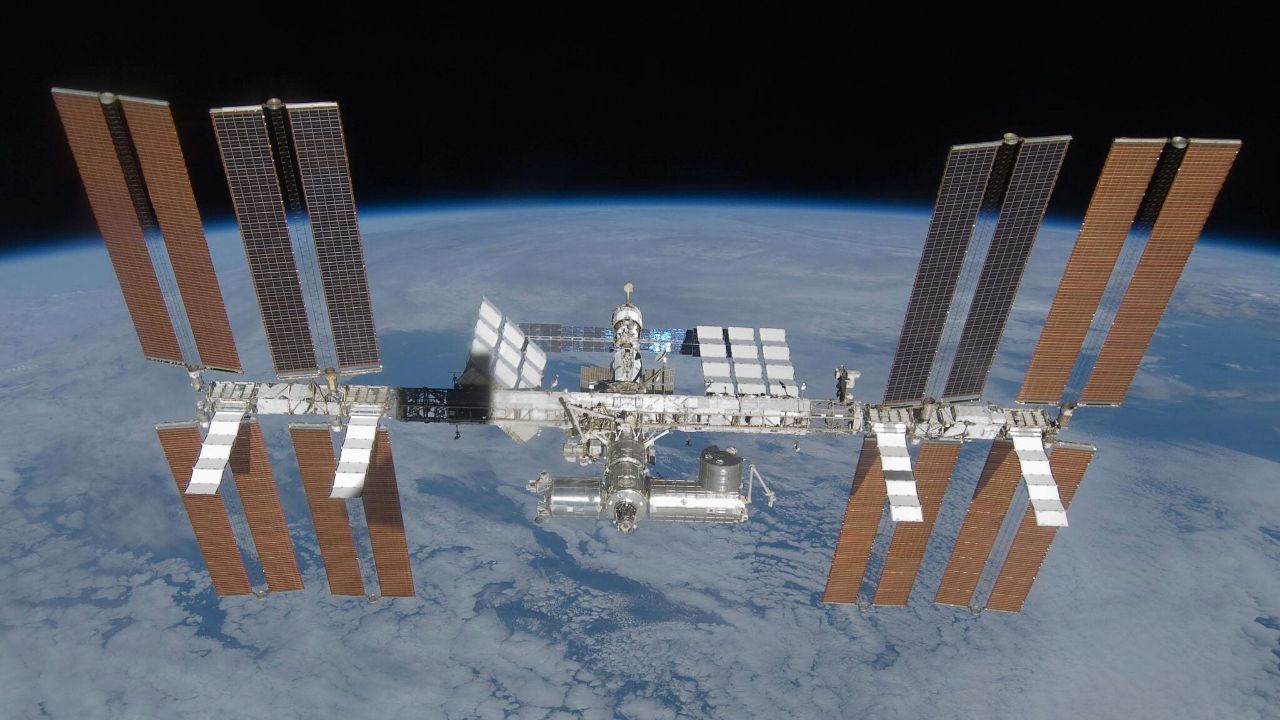
ESA Plans SpaceX Mission for Astronauts Before ISS Retirement
The Gist
ESA plans to charter a SpaceX Crew Dragon mission to send European astronauts to the ISS before its retirement in 2030.
Explain Like I'm Five
"Imagine Europe wants to send its astronauts to the space station one last time before it closes. They're renting a ride on SpaceX's spaceship to do it!"
Deep Intelligence Analysis
The choice of SpaceX as the launch provider highlights the increasing reliance on commercial space companies for human spaceflight. While this partnership offers a proven and cost-effective solution, it also introduces a dependency on a single entity. The success of the EPIC mission hinges on SpaceX's launch schedule and the continued operational status of the ISS.
Furthermore, the EPIC mission underscores the ongoing debate about the future of human presence in low Earth orbit. With the ISS nearing its end-of-life, the focus is shifting towards the development of commercial space stations. The experience gained by European astronauts on the EPIC mission will be crucial in shaping Europe's role in this new era of space exploration. The mission also aims to avoid a gap in continuous human presence in low Earth orbit, thus "avoiding ceding leadership to China before commercial stations are ready."
_Context: This intelligence report was compiled by the DailyOrbitalWire Strategy Engine. Verified for Art. 50 Compliance._
Impact Assessment
This mission ensures continued European astronaut presence and research on the ISS before its decommissioning. It also provides valuable experience for ESA astronauts.
Read Full Story on Space.comKey Details
- ● ESA plans to launch the EPIC mission in early 2028.
- ● The mission will use a SpaceX Crew Dragon spacecraft.
- ● The EPIC crew will spend around one month in orbit.
- ● ESA will buy launch capability for four professional astronauts.
Optimistic Outlook
The EPIC mission could foster greater international collaboration in space and accelerate European astronaut training. Utilizing SpaceX's proven technology reduces risk and development time.
Pessimistic Outlook
Delays in SpaceX launches or ISS operations could impact the mission timeline. Dependence on a single provider (SpaceX) creates a potential point of failure.

The Signal, Not
the Noise|
Get the week's top 1% of space-tech intelligence synthesized into a 5-minute read. Join 25,000+ aerospace insiders.
Unsubscribe anytime. No spam, ever.