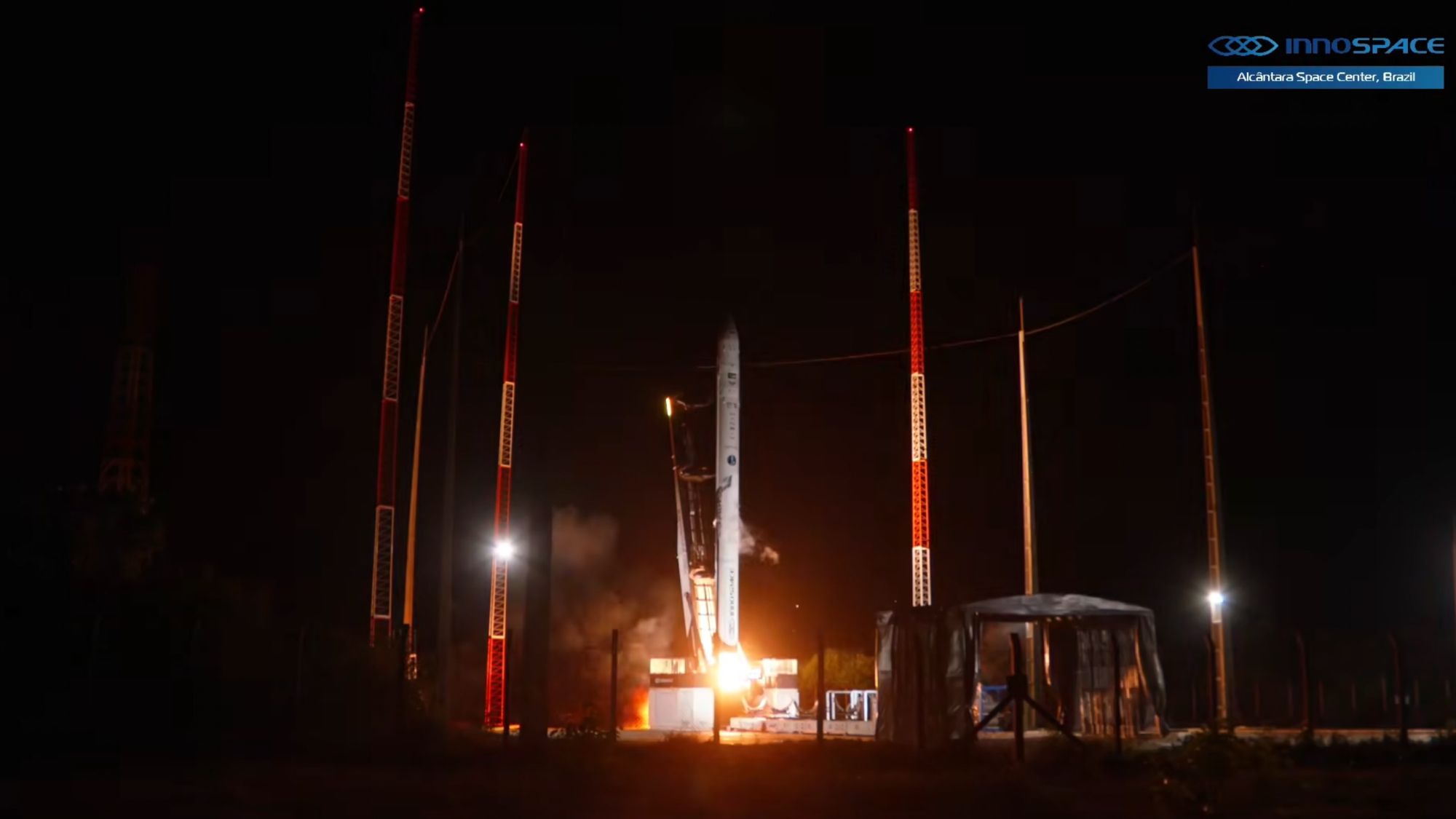
Innospace Identifies Cause of Hanbit-Nano Rocket Failure, Targets 2026 Relaunch
The Gist
Innospace's Hanbit-Nano rocket failed due to a gas leak caused by sealing component deformation during reassembly.
Explain Like I'm Five
"Imagine building a toy rocket, but a part wasn't sealed tight, causing air to leak out and the rocket to explode. Innospace had this problem, but they're fixing it to try again in 2026!"
Deep Intelligence Analysis
The implications for multi-planetary logistics are indirect but relevant. The ability to reliably launch small satellites is crucial for establishing communication networks and Earth observation capabilities around other celestial bodies. Innospace's experience contributes to the broader understanding of launch vehicle design and operational challenges.
The company's response, involving design improvements and verification steps, is a positive sign. However, the targeted Q3 2026 relaunch faces uncertainties, including regulatory approval from KASA and the resolution of any remaining technical issues. The small satellite launch market is becoming increasingly crowded, with established players like Rocket Lab and SpaceX, as well as numerous emerging startups. Innospace's success hinges on demonstrating a high degree of reliability and cost-effectiveness.
*Transparency Disclosure: This analysis was generated by an AI model and reviewed by a human expert. The AI model used publicly available information and internal knowledge bases to formulate its assessment. There is no external funding or conflict of interest to declare.*
_Context: This intelligence report was compiled by the DailyOrbitalWire Strategy Engine. Verified for Art. 50 Compliance._
Impact Assessment
The failure highlights the challenges faced by startups in the competitive small satellite launch market. A successful return to flight is crucial for Innospace to demonstrate reliability and secure future contracts.
Read Full Story on Space.comKey Details
- ● The Hanbit-Nano rocket exploded less than a minute after launch on December 22.
- ● The failure was attributed to a gas leak in the first-stage hybrid rocket combustion chamber.
- ● The rocket is designed to deliver nearly 200 pounds (90 kilograms) to a sun-synchronous orbit.
- ● Innospace is targeting a follow-up launch in the third quarter of 2026.
Optimistic Outlook
Innospace's identification of the failure cause and implementation of design improvements could lead to a successful relaunch in 2026. This would validate their technology and position them as a viable player in the small satellite launch market, potentially attracting further investment and partnerships.
Pessimistic Outlook
Another failure in 2026 could severely damage Innospace's reputation and financial prospects. Delays in obtaining authorization from the Korea Aerospace Administration (KASA) could also push the relaunch further, impacting their competitiveness.

The Signal, Not
the Noise|
Get the week's top 1% of space-tech intelligence synthesized into a 5-minute read. Join 25,000+ aerospace insiders.
Unsubscribe anytime. No spam, ever.