BREAKING: Awaiting the latest intelligence wire...
Back to Wire
ISS Leak Reappears, Raising Long-Term Viability Concerns
Satellites

ISS Leak Reappears, Raising Long-Term Viability Concerns

Source: Ars Technica Space Original Author: Eric Berger Intelligence Analysis by Gemini

The Gist

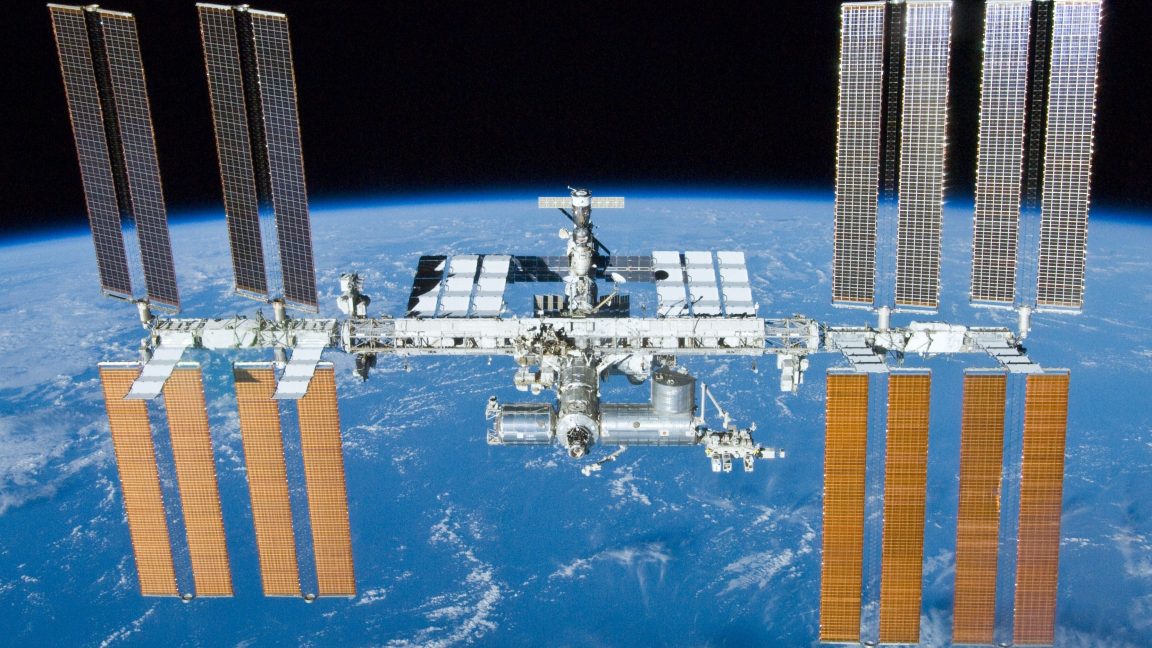
A leak has reappeared in the Russian segment of the International Space Station, raising concerns about its long-term operational viability.

Explain Like I'm Five

"Imagine your bike tire has a tiny hole. It keeps losing air, and you have to pump it up again and again. The ISS has a similar problem, and scientists are trying to fix it before it gets worse!"

Deep Intelligence Analysis

The reappearance of the atmospheric leak in the International Space Station's Russian segment underscores the inherent challenges of long-duration space missions and the maintenance of complex orbital infrastructure. The PrK module, serving as a crucial transfer tunnel, has been a persistent source of concern due to microscopic structural cracks that are difficult to locate and repair. While NASA and Roscosmos have implemented temporary fixes, the recurrence of the leak suggests a deeper underlying issue that could compromise the station's long-term viability. NASA's internal risk assessment, classifying the leak as high likelihood and high consequence, reflects the potential for catastrophic failure, highlighting the need for proactive mitigation strategies. The situation also underscores the importance of investing in advanced materials and construction techniques for future space habitats to minimize the risk of similar structural failures. Furthermore, the incident emphasizes the need for robust monitoring and diagnostic systems to detect and address leaks promptly, ensuring the safety of astronauts and the continuity of scientific research. The long-term implications of this leak extend beyond the immediate operational concerns, potentially impacting the future of international collaboration in space and the development of sustainable space exploration programs. The incident serves as a reminder of the critical importance of continuous monitoring, maintenance, and upgrades to ensure the safety and longevity of space-based assets. The incident also highlights the need for redundancy and backup systems to mitigate the impact of potential failures, ensuring the continuity of critical operations and research activities.

_Context: This intelligence report was compiled by the DailyOrbitalWire Strategy Engine. Verified for Art. 50 Compliance._

Impact Assessment

The recurring leak highlights the challenges of maintaining aging infrastructure in space. While currently not impacting operations or astronaut safety, it raises questions about the ISS's lifespan and the need for future space station development.

Read Full Story on Ars Technica Space

Key Details

  • The leak is located in the PrK module, a transfer tunnel attached to the Zvezda Service Module.
  • The leak causes a loss of about one pound of atmosphere per day.
  • NASA classifies the leak risk as '5' for both likelihood and consequence, indicating potential for catastrophic failure.

Optimistic Outlook

Continued collaboration between NASA and Roscosmos may lead to innovative solutions for leak detection and repair, potentially extending the operational life of the ISS. Advanced sealant technologies or robotic repair missions could mitigate future risks.

Pessimistic Outlook

The recurring nature of the leak suggests underlying structural issues that may be difficult to resolve completely. This could lead to further degradation of the ISS, potentially requiring earlier decommissioning and impacting ongoing research activities.

DailyOrbitalWire Logo

The Signal, Not
the Noise|

Get the week's top 1% of space-tech intelligence synthesized into a 5-minute read. Join 25,000+ aerospace insiders.

Unsubscribe anytime. No spam, ever.

```