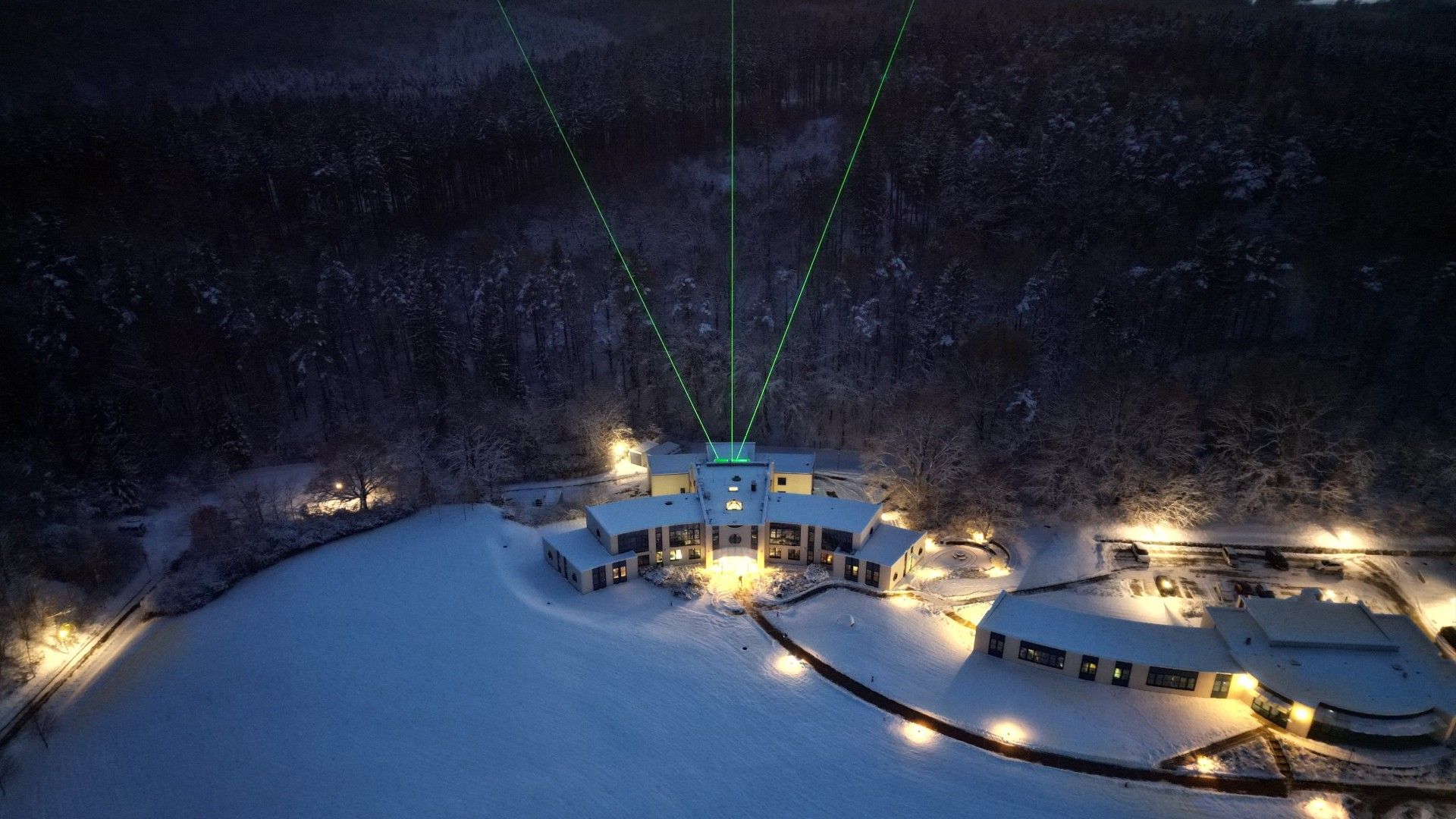
Lasers Track Space Junk, Reveal Atmospheric Pollution
The Gist
LiDAR technology detects metal clouds from falling satellites, revealing the impact of space debris on Earth's atmosphere.
Explain Like I'm Five
"Imagine tiny bits of old rockets falling from space! Scientists use lasers to see these bits and check if they're making our air dirty."
Deep Intelligence Analysis
_Context: This intelligence report was compiled by the DailyOrbitalWire Strategy Engine. Verified for Art. 50 Compliance._
Impact Assessment
The increasing number of satellite launches is changing the composition of the upper atmosphere. Monitoring space debris ablation is crucial for understanding its impact on the ozone layer and climate.
Read Full Story on Space.comKey Details
- ● LiDAR detected a lithium cloud 10 times higher than typical, linked to a Falcon 9 rocket stage reentry.
- ● Ablation of space debris is becoming a significant source of metals in the mesosphere.
- ● Researchers are using multi-species lidar to search for copper, aluminum oxide, and hydrogen fluoride from space debris.
Optimistic Outlook
Advanced LiDAR systems can provide real-time data on space debris composition and atmospheric effects. This data can inform policies to mitigate pollution from space activities.
Pessimistic Outlook
The growing amount of space debris poses a threat to the ozone layer and may exacerbate climate change. Systematic observations are needed to fully assess the long-term impacts.

The Signal, Not
the Noise|
Get the week's top 1% of space-tech intelligence synthesized into a 5-minute read. Join 25,000+ aerospace insiders.
Unsubscribe anytime. No spam, ever.