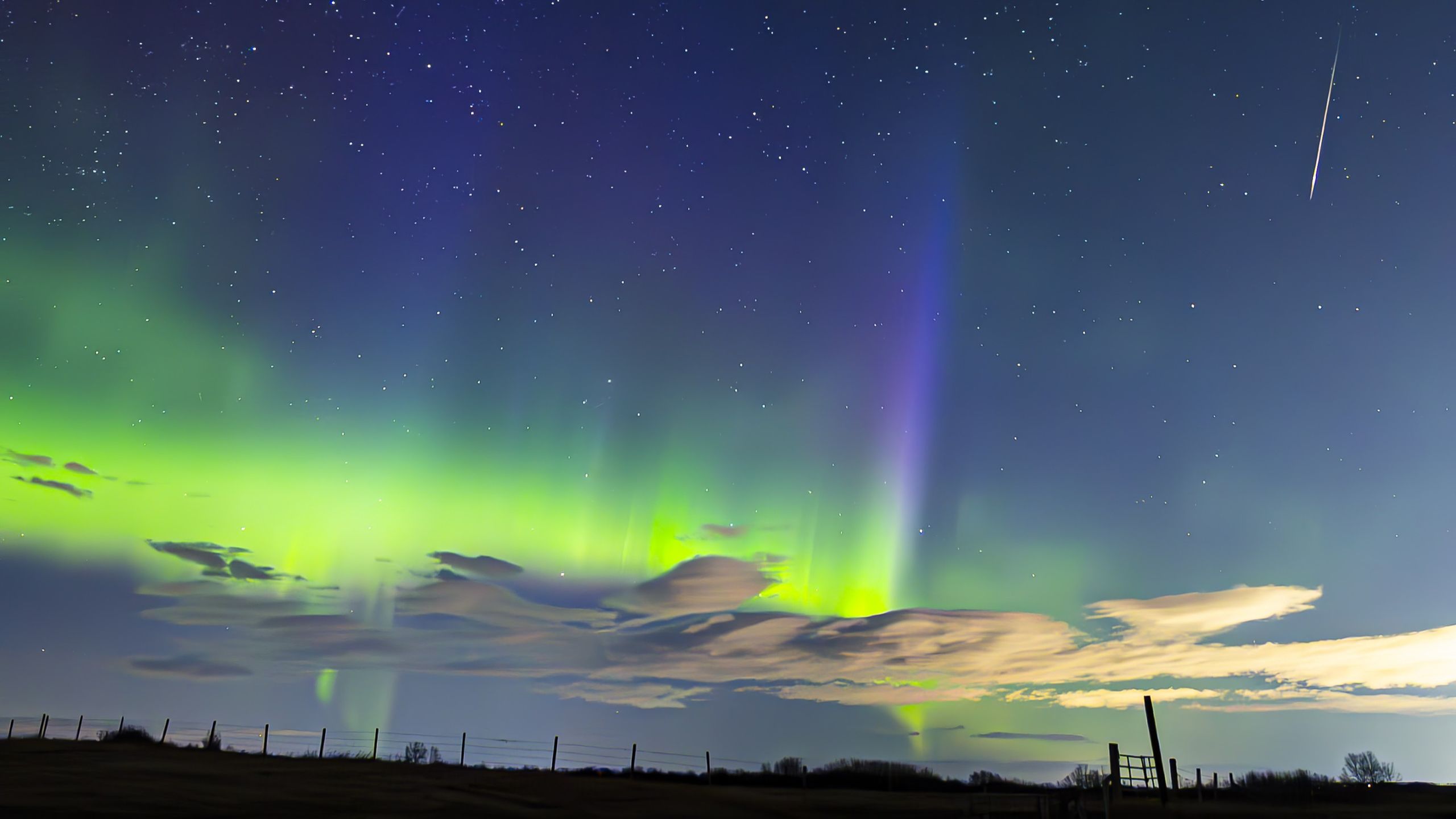
Lyrid Meteor Shower Dazzles Earth and Space in 2026
The Gist
The 2026 Lyrid meteor shower provided spectacular views from Earth and the International Space Station.
Explain Like I'm Five
"Imagine Earth running through a dusty cloud in space, making shooting stars! People on Earth and astronauts saw lots of them during the Lyrid shower."
Deep Intelligence Analysis
Transparency note: This analysis was generated by an AI model and reviewed by a human expert. The information presented is based on the provided source material and does not constitute professional advice. DailyOrbitalWire.news is committed to providing accurate and unbiased reporting on space-related topics.
_Context: This intelligence report was compiled by the DailyOrbitalWire Strategy Engine. Verified for Art. 50 Compliance._
Impact Assessment
Meteor showers offer valuable opportunities for scientific study of cometary debris and atmospheric entry phenomena. They also provide stunning visual displays that inspire public interest in space exploration.
Read Full Story on Space.comKey Details
- ● The Lyrid meteor shower peaked around April 22, 2026.
- ● Meteors originated from debris of comet C/1861 G1 (Thatcher).
- ● NASA astronaut Jessica Meir photographed the shower from the ISS.
- ● The shower has been observed for 2,700 years.
Optimistic Outlook
Continued observation of meteor showers helps refine our understanding of cometary orbits and potential hazards to spacecraft. Advancements in camera technology allow for increasingly detailed and beautiful images.
Pessimistic Outlook
Increased space debris could potentially obscure future meteor showers. Light pollution also poses a challenge for ground-based observations.

The Signal, Not
the Noise|
Get the week's top 1% of space-tech intelligence synthesized into a 5-minute read. Join 25,000+ aerospace insiders.
Unsubscribe anytime. No spam, ever.