BREAKING: Awaiting the latest intelligence wire...
Back to Wire
NASA Finalizes COPV Damage Tolerance Guidelines for Spaceflight
Launch Vehicles

NASA Finalizes COPV Damage Tolerance Guidelines for Spaceflight

Source: NASA Breaking News Original Author: Meagan Chappell Intelligence Analysis by Gemini

The Gist

NASA releases guidelines for composite overwrapped pressure vessel (COPV) damage tolerance in spaceflight hardware.

Explain Like I'm Five

"Imagine a balloon that holds air for rockets. NASA wants to make sure the balloon doesn't pop, even if it has a tiny scratch. These rules help them check the balloon really carefully so it's super safe!"

Deep Intelligence Analysis

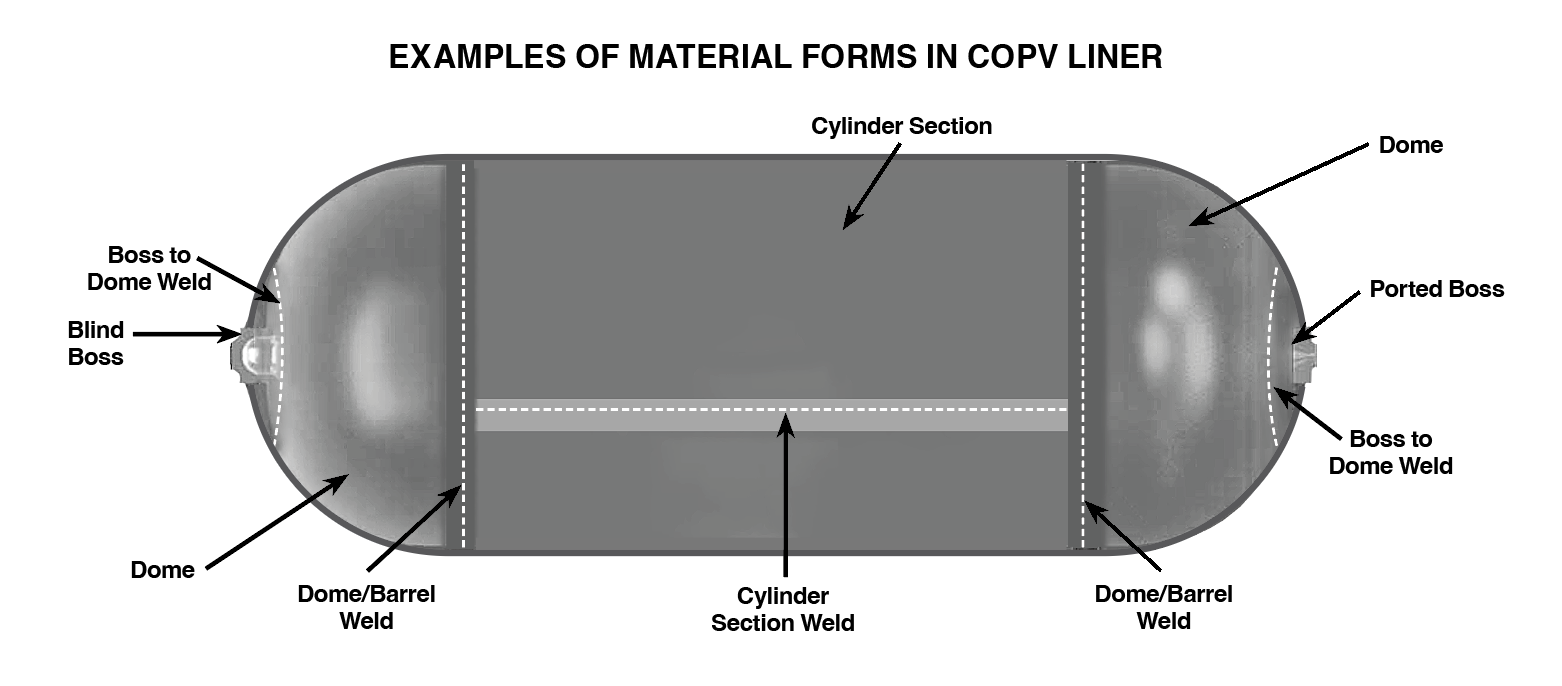
NASA's NESC has finalized a set of guidelines intended for use by NASA civil servants and support contractors in their development or assessment of damage-tolerance demonstration data for COPVs. These vessels, which store high-pressure propulsion and life-support system fluids on launch vehicles and spacecraft, are ubiquitous at NASA, and failures have the potential to be catastrophic. The guidelines are based on the NESC’s experience in assessing agency-wide COPV applications and compiling the best practices for complying with the damage-tolerance requirements of AIAA S-081 and NASA-STD-5019. The guidelines touch on numerous aspects of damage tolerance life including COPV mechanics and model correlation, identifying worst case locations for damage tolerance, nondestructive evaluation (NDE), addressing crack aspect ratios, defining load spectra, addressing autofrettage crack growth, performing damage-tolerance life demonstration by analysis using a crack-growth analysis software like NASGRO, performing damage-tolerance life by coupon or vessel testing, and addressing sustained-load crack growth and environmentally assisted cracking. In determining the worst-case locations for damage tolerance evaluation, the guidelines offer a method for evaluating the contributing factors—stress/strain, material properties, thickness, and initial crack size.

_Context: This intelligence report was compiled by the DailyOrbitalWire Strategy Engine. Verified for Art. 50 Compliance._

Impact Assessment

COPV failures can be catastrophic, making robust damage tolerance assessment crucial. These guidelines clarify requirements and offer best practices for minimizing risk.

Read Full Story on NASA Breaking News

Key Details

  • Guidelines are based on NESC's experience in assessing COPV applications.
  • Guidelines comply with AIAA S-081 and NASA-STD-5019.
  • A 4x life factor is applied, requiring cracks not to reach failure within four times the expected service cycles.

Optimistic Outlook

By standardizing damage tolerance assessment, NASA can improve the reliability and safety of COPVs. This will enhance the performance and longevity of launch vehicles and spacecraft.

Pessimistic Outlook

Varied interpretation of damage tolerance requirements has historically led to unconservative approaches. Consistent application of these guidelines is essential to prevent future failures.

DailyOrbitalWire Logo

The Signal, Not
the Noise|

Get the week's top 1% of space-tech intelligence synthesized into a 5-minute read. Join 25,000+ aerospace insiders.

Unsubscribe anytime. No spam, ever.

```