NASA and Microchip Partner on High-Performance Spaceflight Computing
The Gist
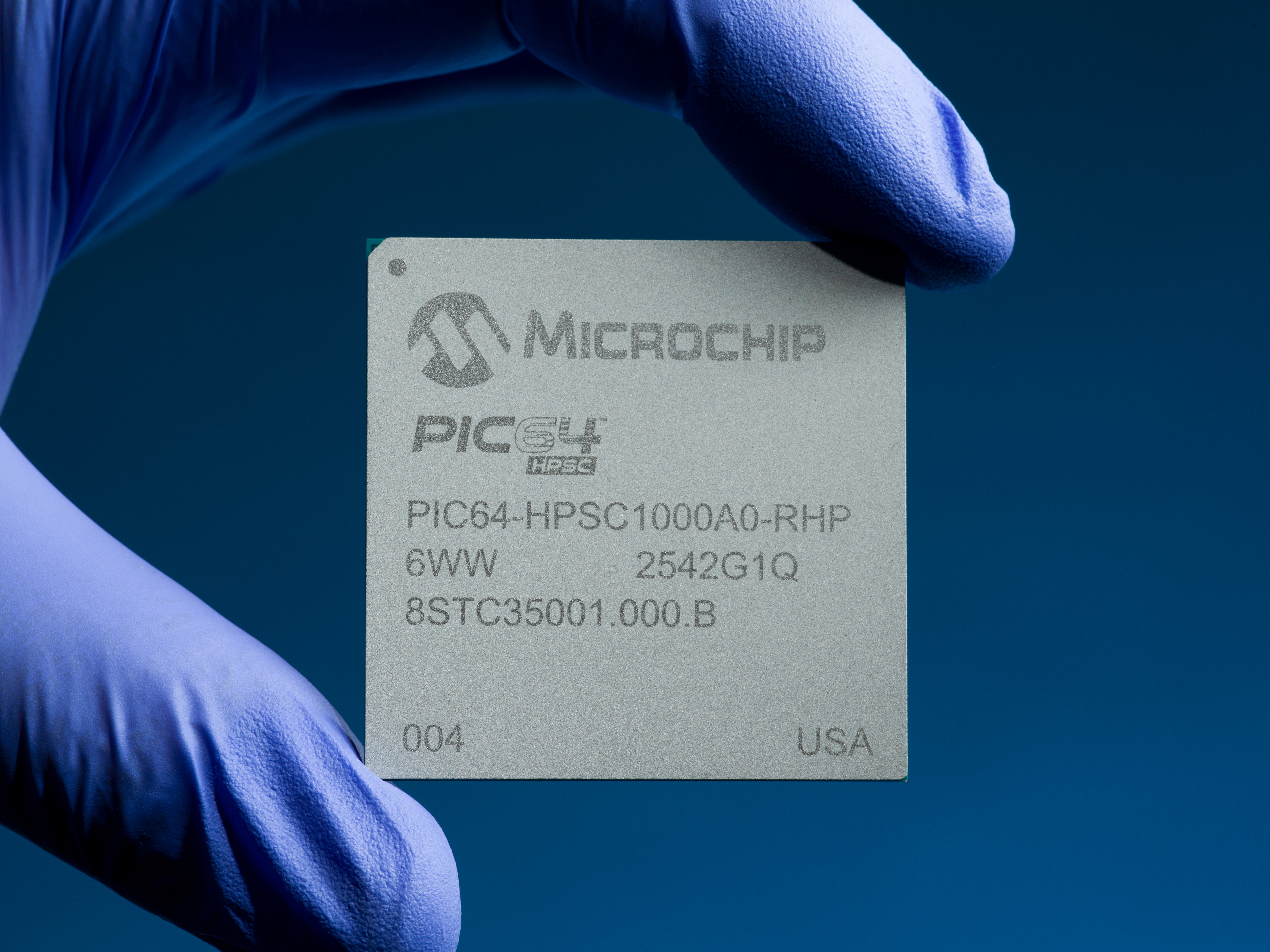
NASA and Microchip are developing High-Performance Spaceflight Computing, a system-on-chip promising 100x the computing capability of current space processors.
Explain Like I'm Five
"Imagine a super-fast computer for spaceships! It's like upgrading from a slow phone to the fastest one, letting spaceships do much cooler things all by themselves."
Deep Intelligence Analysis
The dual-pronged approach, with radiation-hardened and radiation-tolerant versions, caters to both government and commercial space sectors. This adaptability is vital for fostering a robust and resilient space ecosystem. The potential for terrestrial applications further enhances the project's value, driving innovation and economic growth beyond the space industry.
However, the project's success hinges on managing the inherent risks associated with advanced technology development. Cost control, cybersecurity, and supply chain resilience are critical considerations. Furthermore, ensuring open standards and interoperability will be essential to prevent vendor lock-in and promote broader adoption across the space industry. The reliance on Microchip also introduces a single point of potential failure, requiring careful risk mitigation strategies.
*Transparency Footnote: This analysis was conducted by an AI, model: Gemini 2.5 Flash, to provide an objective assessment of the provided news article. The AI has been trained to avoid bias and focus on factual information. The analysis is intended for informational purposes only and should not be considered financial or investment advice. The AI is EU AI Act Art. 50 Compliant.*
_Context: This intelligence report was compiled by the DailyOrbitalWire Strategy Engine. Verified for Art. 50 Compliance._
Impact Assessment
This advancement enables more complex and longer space missions with greater autonomy and resilience. The technology also has potential applications in terrestrial industries, strengthening U.S. leadership and supply chain security.
Read Full Story on NASA TechnologyKey Details
- ● The new system-on-chip delivers over 100 times the computing capability of current space processors.
- ● The High-Performance Spaceflight Computing integrates computing and networking into a single device.
- ● A radiation-hardened version is designed for geosynchronous, deep-space, and long-duration missions.
- ● A radiation-tolerant version targets commercial space, providing fault tolerance and cybersecurity for LEO satellites.
Optimistic Outlook
The increased computing power will enable real-time autonomous decision-making on spacecraft, such as faster rover navigation and advanced image processing. The public-private partnership fosters innovation and economic growth, potentially leading to breakthroughs in both space and terrestrial computing.
Pessimistic Outlook
Developing and deploying such advanced technology carries risks related to cost overruns, technical challenges, and potential cybersecurity vulnerabilities. Dependence on a single supplier (Microchip) could create bottlenecks or vulnerabilities in the supply chain.

The Signal, Not
the Noise|
Get the week's top 1% of space-tech intelligence synthesized into a 5-minute read. Join 25,000+ aerospace insiders.
Unsubscribe anytime. No spam, ever.