NASA to Launch Nuclear-Powered Spacecraft for Mars Helicopter Mission in 2028
The Gist
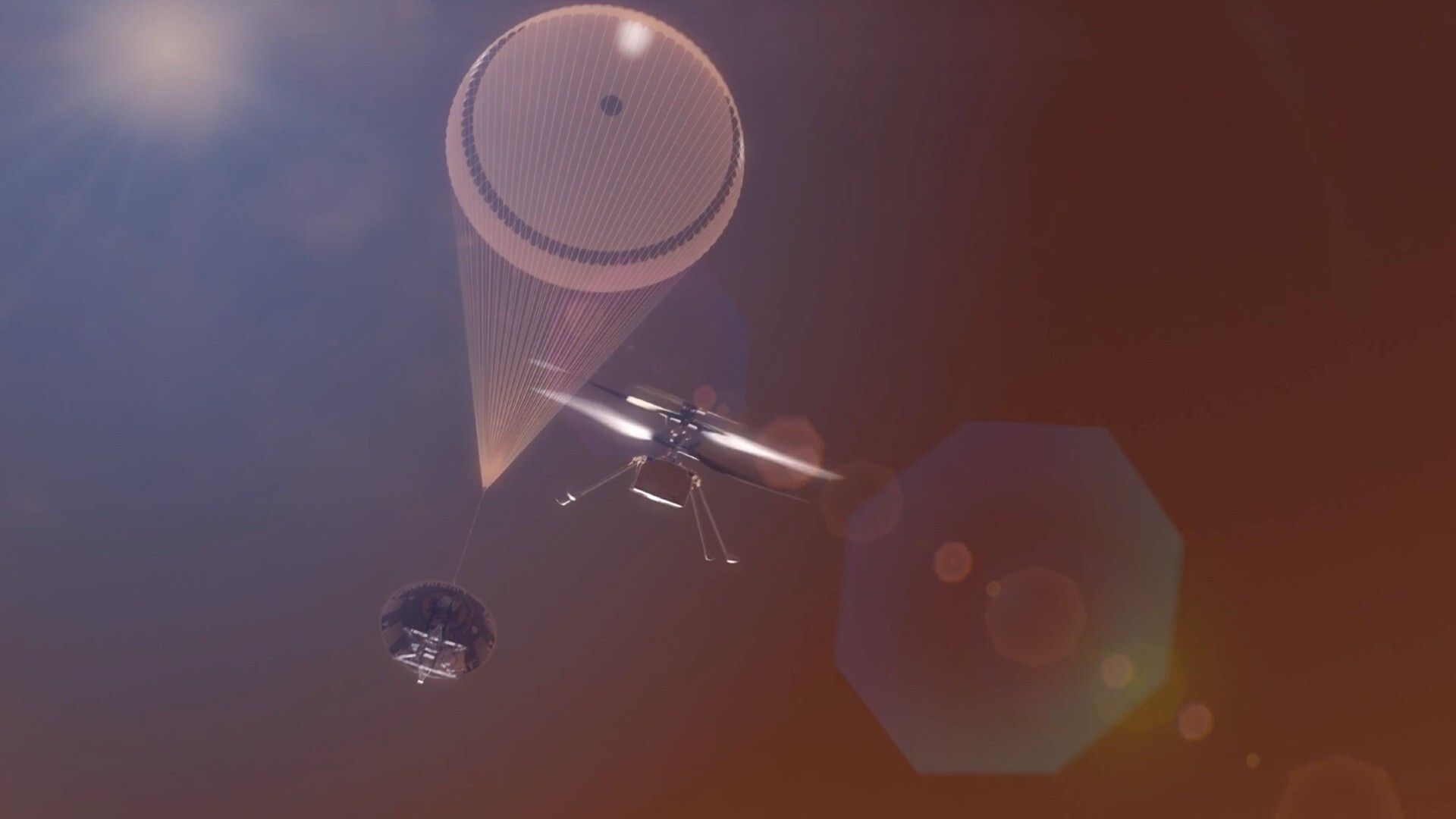
NASA plans to launch its first nuclear-powered interplanetary spacecraft in 2028 to deploy Skyfall helicopters on Mars.
Explain Like I'm Five
"NASA is building a spaceship with a tiny nuclear reactor to send little helicopters to Mars to explore!"
Deep Intelligence Analysis
The use of NEP could drastically reduce transit times to Mars and other distant destinations, enabling more frequent and ambitious missions. Furthermore, the technology has implications for lunar base operations, providing a reliable power source for in-situ resource utilization (ISRU) and other long-duration activities. The mission's success hinges on overcoming regulatory challenges and ensuring the safe operation of nuclear systems in space.
NASA's partnership with the Department of Energy underscores the importance of this endeavor. The shift in focus from the Gateway program to lunar surface construction may present both opportunities and challenges for the Skyfall mission. While some Gateway hardware may be repurposed for the lunar base, it could also lead to resource constraints or delays in the NEP development timeline. The long-term impact of Skyfall will depend on its ability to demonstrate the viability and safety of NEP, paving the way for future missions to Mars and beyond.
_Context: This intelligence report was compiled by the DailyOrbitalWire Strategy Engine. Verified for Art. 50 Compliance._
Impact Assessment
This mission aims to establish flight heritage for nuclear hardware and activate the industrial base for future fission power systems. NEP technology is viewed as crucial for sustained exploration beyond the Moon, including missions to Mars and the outer solar system.
Read Full Story on Space.comKey Details
- ● The Skyfall mission, featuring six scout helicopters, is slated for a 2028 launch.
- ● The mission will utilize a spacecraft powered by nuclear electric propulsion (NEP), named Space Reactor-1 (SR-1) Freedom.
- ● NEP systems use a fission reactor to generate electricity for highly efficient electric thrusters.
- ● Skyfall's helicopters will explore potential landing sites for future Martian astronauts.
Optimistic Outlook
Successful deployment of NEP could revolutionize deep-space exploration, enabling faster transit times and greater payload capacity for robotic and crewed missions. The SR-1 Freedom mission could pave the way for sustained lunar operations and more ambitious Mars missions.
Pessimistic Outlook
The development and launch of nuclear-powered spacecraft face regulatory hurdles and potential safety concerns. Delays in the Gateway program and a shift in focus to lunar surface base construction could impact the timeline and resources allocated to the Skyfall mission.

The Signal, Not
the Noise|
Get the week's top 1% of space-tech intelligence synthesized into a 5-minute read. Join 25,000+ aerospace insiders.
Unsubscribe anytime. No spam, ever.