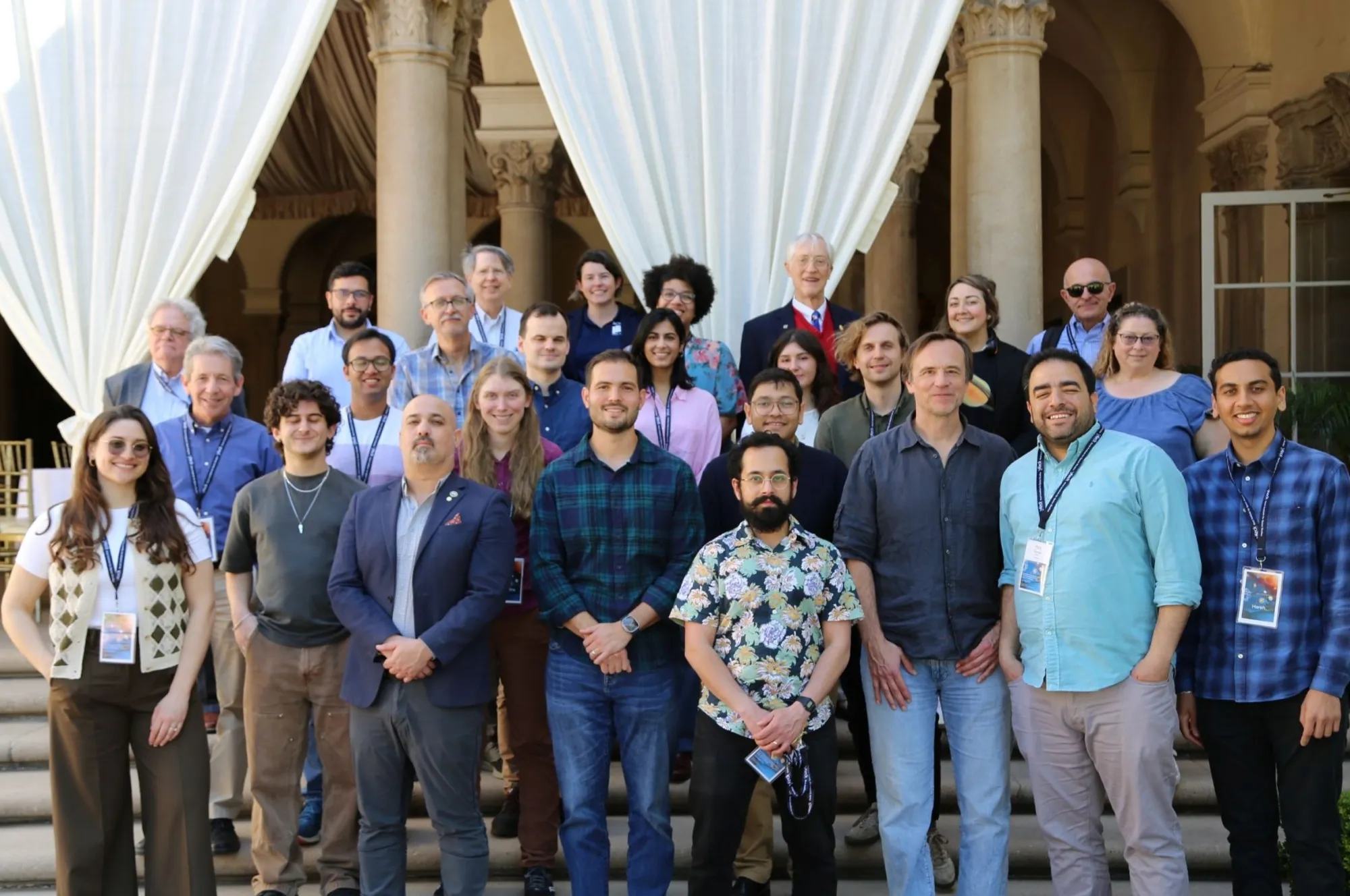
NASA Research Advances Technology to Seek Earth-Like Exoplanets
The Gist
NASA is developing technologies, including the HOEE concept, to detect reflected light from exoplanets and identify Earth-like features.
Explain Like I'm Five
"Imagine trying to see a tiny firefly next to a giant spotlight. NASA is building a special umbrella to block the spotlight so we can see the firefly, which is like finding another Earth far away!"
Deep Intelligence Analysis
The ability to analyze the reflected light from exoplanets is crucial for identifying Earth-like features such as water and oxygen, which are considered key indicators of habitability. However, detecting this faint light requires advanced technologies capable of overcoming the limitations of current telescopes. The HOEE concept offers a potential solution by physically blocking starlight before it reaches the telescope, thereby improving the signal-to-noise ratio and enabling direct imaging of exoplanets.
While the HOEE concept holds significant promise, its realization faces considerable technological and logistical challenges. Building and deploying a starshade in space, while simultaneously coordinating its movements with a large ground-based telescope, requires precise engineering and sophisticated control systems. Furthermore, the cost of such a project could be substantial, potentially requiring international collaboration and long-term funding commitments. Despite these challenges, the potential scientific rewards of discovering Earth-like exoplanets justify the investment in innovative technologies like HOEE. The success of this research could revolutionize our understanding of planetary formation, habitability, and the prevalence of life in the universe.
_Context: This intelligence report was compiled by the DailyOrbitalWire Strategy Engine. Verified for Art. 50 Compliance._
Impact Assessment
The ability to directly image exoplanets and analyze their reflected light could revolutionize our understanding of planetary habitability. This research paves the way for identifying potentially habitable worlds beyond our solar system.
Read Full Story on JPL NewsKey Details
- ● NASA's Hybrid Observatory for Earth-like Exoplanets (HOEE) combines an orbiting starshade with a ground-based telescope.
- ● HOEE aims to suppress starlight to enable direct imaging of exoplanets.
- ● Detecting reflected light from exoplanets can reveal indicators of water and oxygen.
Optimistic Outlook
The HOEE concept represents a promising approach to overcoming the challenges of exoplanet detection. Successful implementation could lead to the discovery of numerous Earth-like planets, expanding our knowledge of the universe and the potential for life beyond Earth.
Pessimistic Outlook
The technological hurdles associated with building and deploying a starshade in conjunction with a large ground-based telescope are significant. The cost and complexity of the HOEE project could pose challenges to its realization.

The Signal, Not
the Noise|
Get the week's top 1% of space-tech intelligence synthesized into a 5-minute read. Join 25,000+ aerospace insiders.
Unsubscribe anytime. No spam, ever.