BREAKING: Awaiting the latest intelligence wire...
Back to Wire
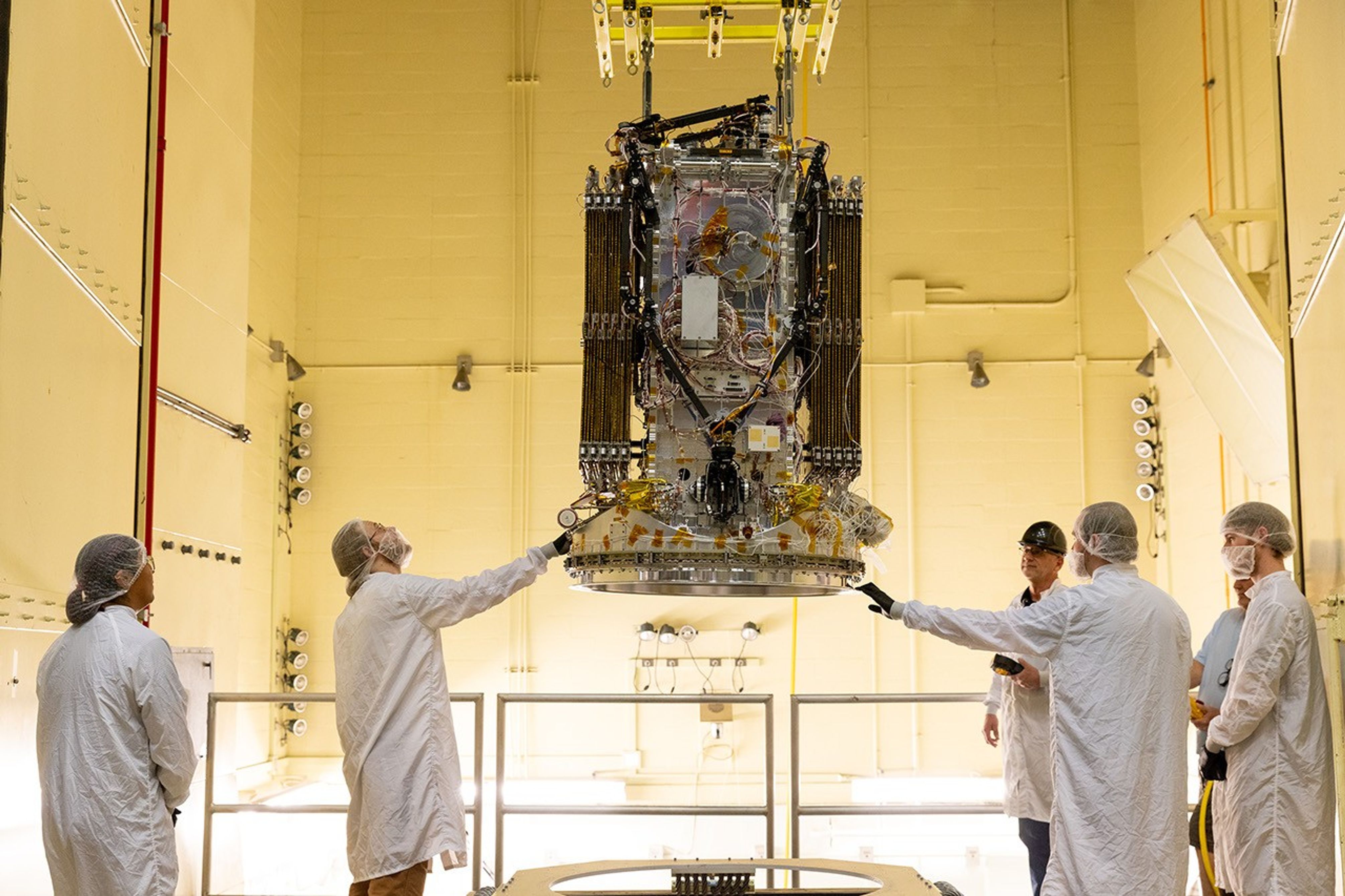
NASA to Boost Swift Spacecraft Orbit via Robotic Servicing
Satellites

NASA to Boost Swift Spacecraft Orbit via Robotic Servicing

Source: NASA Breaking News Original Author: Jessica Taveau Intelligence Analysis by Gemini

The Gist

NASA's Swift Observatory will receive an orbital boost from Katalyst's robotic spacecraft, extending its mission lifespan.

Explain Like I'm Five

"Imagine a robot giving our space telescope a boost so it can see farther into space for longer!"

Deep Intelligence Analysis

NASA's mission to boost the orbit of the Neil Gehrels Swift Observatory using Katalyst's robotic servicing spacecraft, LINK, represents a significant step in on-orbit servicing capabilities. The mission, scheduled for launch in June aboard a Northrop Grumman Pegasus XL rocket, aims to extend Swift's operational lifespan by raising its altitude. Swift, launched in 2004, is a crucial asset for studying gamma-ray bursts and other high-energy cosmic events. The use of robotic servicing demonstrates a potential pathway for maintaining and upgrading existing space assets, reducing the need for costly replacement missions. The mission's success hinges on the reliable performance of the Pegasus XL rocket and the LINK spacecraft's ability to rendezvous with and maneuver Swift. The upcoming media event at Wallops Flight Facility highlights NASA's commitment to transparency and public engagement. The Artemis Accords promote responsible space exploration, and this mission aligns with those principles by extending the life of a valuable scientific asset. The mission also underscores the growing importance of commercial partnerships in space exploration and development. The use of a robotic servicing spacecraft could pave the way for future missions that repair, refuel, or upgrade satellites in orbit, creating new opportunities for the space industry. The mission's success would validate robotic servicing technologies, potentially leading to more sustainable and cost-effective space operations. This initiative is a testament to the ongoing efforts to maximize the scientific return from existing space assets and to develop innovative technologies for future space missions.

*Transparency Footnote: This analysis was generated by an AI model to provide a concise summary of the provided news article. The AI model has been trained to avoid expressing personal opinions or beliefs and to present information in an objective and factual manner.*

_Context: This intelligence report was compiled by the DailyOrbitalWire Strategy Engine. Verified for Art. 50 Compliance._

Impact Assessment

Extending the lifespan of Swift allows for continued observation of high-energy cosmic events. Robotic servicing demonstrates a capability for maintaining and upgrading space assets.

Read Full Story on NASA Breaking News

Key Details

  • Katalyst's LINK spacecraft will launch on a Northrop Grumman Pegasus XL rocket in June.
  • The Swift mission launched in 2004 and studies gamma-ray bursts.
  • The Pegasus XL rocket will be deployed from the L-1011 Stargazer aircraft.
  • Media event scheduled at Wallops Flight Facility on June 17.

Optimistic Outlook

Successful orbit boost validates robotic servicing technologies, potentially leading to more sustainable space operations. Extended mission life for Swift provides more data on gamma-ray bursts and other cosmic phenomena.

Pessimistic Outlook

Mission failure could delay or prevent the orbit boost, shortening Swift's operational life. Dependence on a single launch provider introduces risk.

DailyOrbitalWire Logo

The Signal, Not
the Noise|

Get the week's top 1% of space-tech intelligence synthesized into a 5-minute read. Join 25,000+ aerospace insiders.

Unsubscribe anytime. No spam, ever.

```