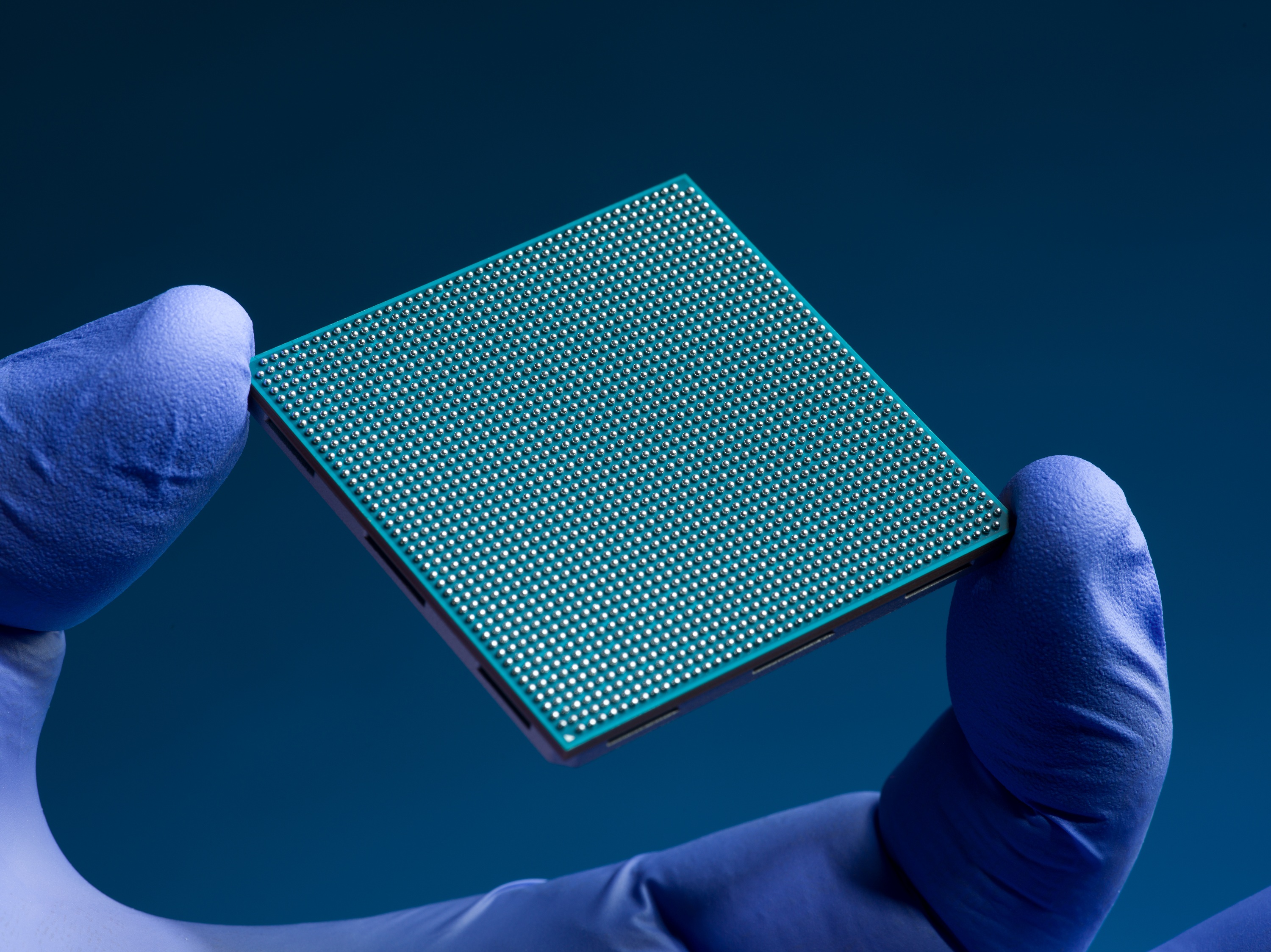
NASA Tests Next-Gen Space Processor for Enhanced Spacecraft Computing
The Gist
NASA is testing a new radiation-hardened processor that could increase spacecraft computing power by up to 100 times.
Explain Like I'm Five
"Imagine a super-fast computer for spaceships! It's like giving them a much bigger brain so they can think for themselves and do more cool science stuff in space, even far away from Earth."
Deep Intelligence Analysis
This upgrade is essential for enabling autonomous spacecraft operations, accelerating scientific data analysis, and supporting future human missions to the Moon and Mars. The processor's ability to withstand the harsh space environment, including radiation and extreme temperature swings, is a key design consideration. Rigorous testing at JPL simulates real-world conditions, ensuring the processor's reliability and performance under stress.
The implications of this technology extend beyond NASA's missions. Early access partners in the defense and commercial aerospace industries are already evaluating the processor, suggesting a broader adoption potential. The ability to process large volumes of data in real-time, using AI, opens up new possibilities for space exploration, resource utilization, and national security. The development and testing of this processor is a significant step towards a more autonomous and capable space infrastructure.
*Transparency Disclosure: This analysis was composed by an AI model. While efforts have been made to ensure accuracy and objectivity, the content should be critically evaluated and cross-referenced with trusted sources. The AI model is continuously learning and improving, and feedback is welcomed to enhance its performance.*
_Context: This intelligence report was compiled by the DailyOrbitalWire Strategy Engine. Verified for Art. 50 Compliance._
Impact Assessment
This new processor will enable more autonomous spacecraft, accelerate scientific discovery through faster data analysis, and support human missions to the Moon and Mars. Its enhanced computing power will allow for real-time AI responses in complex space environments.
Read Full Story on NASA TechnologyKey Details
- ● The new processor aims for 100x computational capacity increase over current spaceflight computers.
- ● Testing indicates the processor is operating at 500 times the performance of current radiation-hardened chips.
- ● The processor is being developed by Microchip Technology Inc. and JPL through a commercial partnership.
- ● Testing at JPL began in February and will continue for several months.
Optimistic Outlook
The successful testing and potential for 500x performance increase over current chips suggests a significant leap in space computing capabilities. This could lead to more efficient and autonomous spacecraft, accelerating scientific discoveries and enabling more ambitious deep space missions.
Pessimistic Outlook
Despite promising results, the processor still faces rigorous testing to ensure it can withstand the harsh space environment. Potential issues with radiation, thermal stress, or unexpected errors could delay or hinder its deployment.

The Signal, Not
the Noise|
Get the week's top 1% of space-tech intelligence synthesized into a 5-minute read. Join 25,000+ aerospace insiders.
Unsubscribe anytime. No spam, ever.