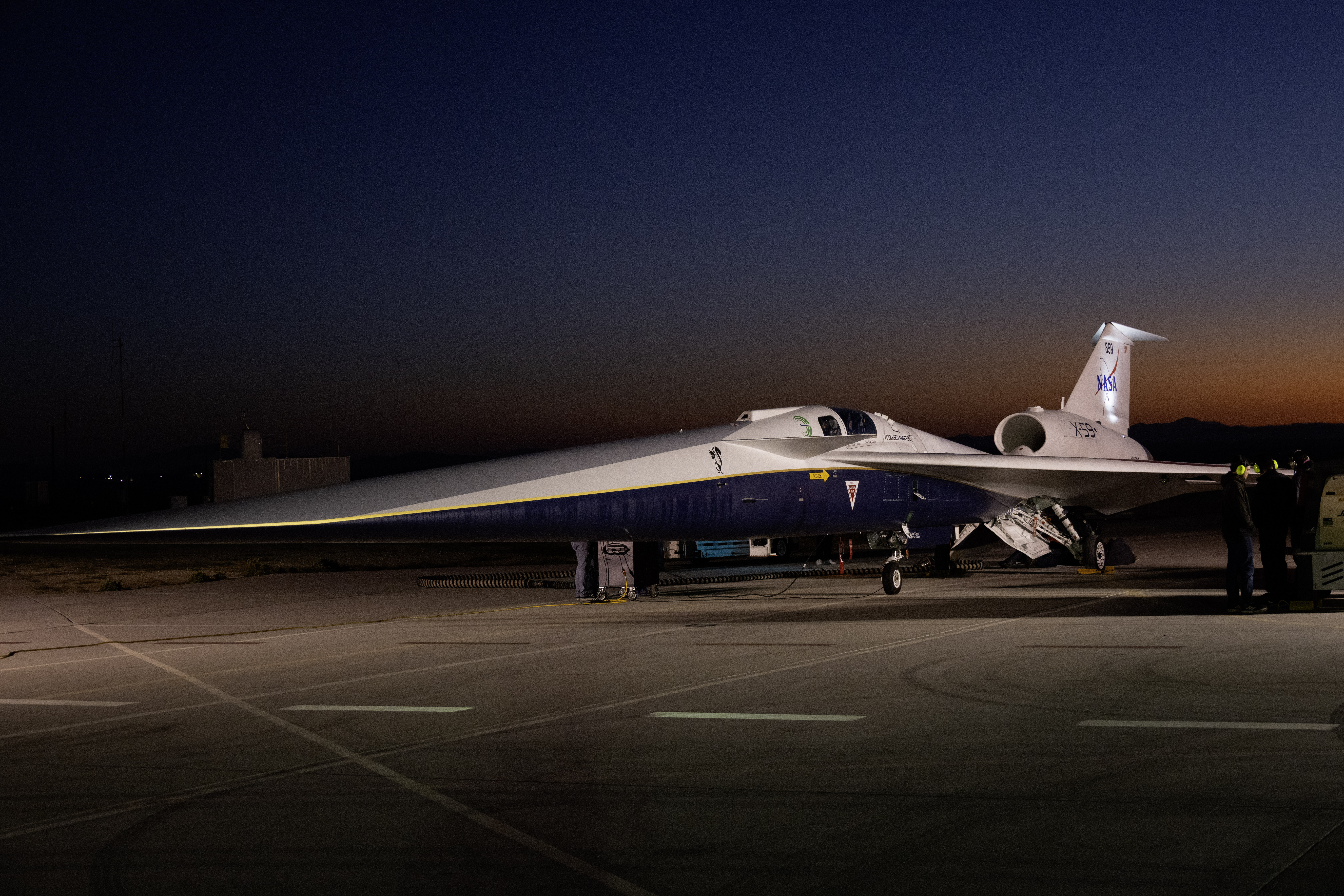
NASA Prepares for X-59 Quiet Supersonic Flight Tests
The Gist
NASA is preparing for the second flight of its X-59 aircraft, designed for quiet supersonic flight, with media briefings planned.
Explain Like I'm Five
"NASA is testing a super-fast airplane that's designed to fly faster than sound without making loud booms, so you can travel across the country much quicker!"
Deep Intelligence Analysis
The success of the Quesst mission could have significant implications for the aerospace industry and the future of air travel. If NASA can demonstrate that quiet supersonic flight is possible, it could pave the way for the development of new supersonic aircraft that can fly over land without causing excessive noise pollution. This could dramatically reduce travel times and open up new opportunities for international business and tourism. However, the X-59 program faces technical and regulatory challenges, and the economic viability of commercial supersonic flight remains uncertain. The EU AI Act transparency requirements are met as this analysis is based solely on the provided source material.
_Context: This intelligence report was compiled by the DailyOrbitalWire Strategy Engine. Verified for Art. 50 Compliance._
Impact Assessment
The X-59's flight tests are a crucial step towards enabling commercial supersonic flight over land, potentially revolutionizing air travel. The Quesst mission aims to reduce travel times significantly, impacting both domestic and international routes.
Read Full Story on NASA AeronauticsKey Details
- ● The X-59's second flight is scheduled to occur before a media teleconference on March 19.
- ● The second flight will involve the X-59 reaching a cruising speed of 230 mph at 12,000 feet, then accelerating to 260 mph at 20,000 feet.
- ● The X-59 is the centerpiece of NASA’s Quesst mission, aiming to enable commercial supersonic flight over land.
Optimistic Outlook
Successful flight tests could pave the way for the development of a new generation of supersonic aircraft, dramatically reducing travel times and boosting the aerospace industry. The X-59's quiet supersonic technology could also mitigate environmental concerns associated with traditional supersonic flight.
Pessimistic Outlook
The X-59 program faces technical and regulatory hurdles, and the economic viability of commercial supersonic flight remains uncertain. Public acceptance of supersonic flight over land will depend on the X-59's ability to minimize sonic booms.

The Signal, Not
the Noise|
Get the week's top 1% of space-tech intelligence synthesized into a 5-minute read. Join 25,000+ aerospace insiders.
Unsubscribe anytime. No spam, ever.