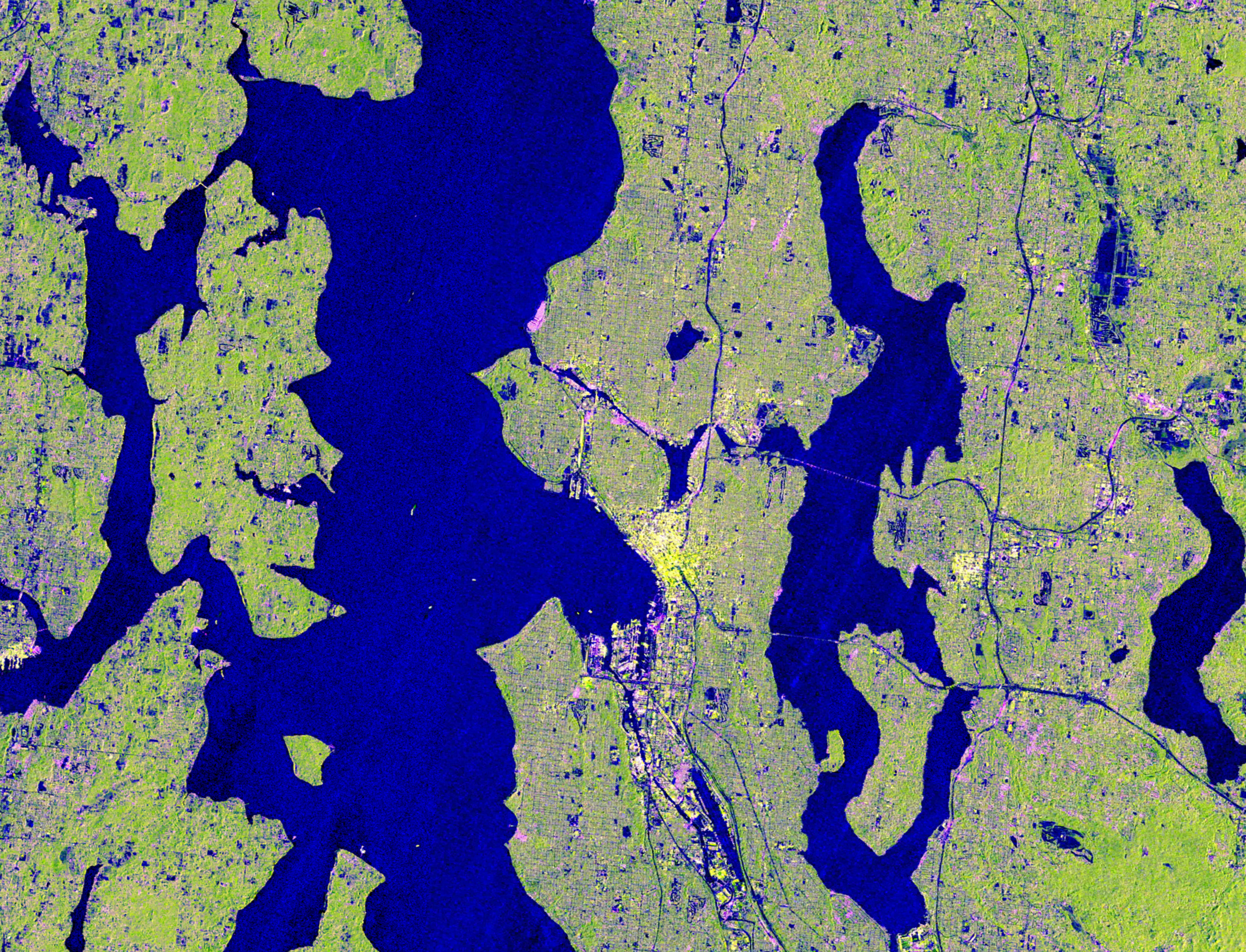
NISAR Satellite Peers Through Pacific Northwest Clouds, Revealing Detailed Imagery
The Gist
NASA-ISRO's NISAR satellite captures detailed imagery of the Pacific Northwest through cloud cover, aiding resource management and hazard monitoring.
Explain Like I'm Five
"Imagine a special camera on a satellite that can see through clouds! It takes pictures that help us understand how the land is changing, like where trees are growing or if there's a flood."
Deep Intelligence Analysis
The ability to differentiate between various surface properties through radar backscatter analysis is particularly valuable. By measuring changes in the reflected signal, scientists can identify areas where forests have been thinned, estimate carbon storage in vegetation, and monitor shifts in river channels. This information is essential for resource management, natural hazard assessment, and environmental decision-making. The imagery captured on Nov. 10, 2025, showcases the potential of NISAR to provide actionable insights for stakeholders in the Pacific Northwest and beyond.
However, the interpretation of radar data requires specialized expertise. Distinguishing between natural variations and human-induced changes can be challenging, and ensuring data accuracy is paramount. Furthermore, the integration of NISAR data with other datasets, such as optical imagery and ground-based measurements, is necessary to create a more holistic understanding of environmental processes. Despite these challenges, NISAR represents a powerful tool for monitoring and managing Earth's resources in a changing climate. The mission's success hinges on effective data processing, validation, and dissemination to relevant stakeholders.
_Context: This intelligence report was compiled by the DailyOrbitalWire Strategy Engine. Verified for Art. 50 Compliance._
Impact Assessment
NISAR's ability to penetrate cloud cover provides valuable data for monitoring environmental changes, managing natural resources, and assessing risks in regions like the Pacific Northwest. The detailed imagery supports informed decision-making related to forestry, agriculture, and infrastructure.
Read Full Story on JPL NewsKey Details
- ● NISAR uses L-band radar with a 39-foot antenna reflector.
- ● Imagery captured on Nov. 10, 2025.
- ● Radar measures changes in reflected signals to identify surface properties like moisture and vegetation.
Optimistic Outlook
NISAR's advanced radar technology promises enhanced monitoring capabilities for environmental changes and natural hazards. The detailed data will likely improve resource management and disaster preparedness in cloud-prone regions worldwide, fostering sustainable development.
Pessimistic Outlook
The complexity of interpreting radar signals and differentiating between natural and human-induced changes could pose challenges. Ensuring data accuracy and avoiding misinterpretations will be crucial for effective decision-making based on NISAR imagery.

The Signal, Not
the Noise|
Get the week's top 1% of space-tech intelligence synthesized into a 5-minute read. Join 25,000+ aerospace insiders.
Unsubscribe anytime. No spam, ever.