Nonlinear Dynamic Substructures Enable Efficient Aerospace Simulations
The Gist
Nonlinear dynamic substructures (NDS) significantly reduce computation time for complex aerospace simulations involving large displacements and rotations.
Explain Like I'm Five
"Imagine you're building a bridge out of LEGOs. Normally, testing how strong it is would take a super long time on a giant computer. But with this new trick, we can test it much faster on a regular computer, even if the bridge bends a lot!"
Deep Intelligence Analysis
Transparency: This analysis is based solely on the provided article and aims to provide an objective assessment of its content and implications. No external information or assumptions were used in the analysis. The AI model used is Gemini 2.5 Flash.
_Context: This intelligence report was compiled by the DailyOrbitalWire Strategy Engine. Verified for Art. 50 Compliance._
Impact Assessment
This technology enables faster and more efficient design and analysis of aerospace structures. The ability to simulate complex nonlinear dynamics in real-time on standard hardware can accelerate development cycles and reduce costs.
Read Full Story on NASA Breaking NewsKey Details
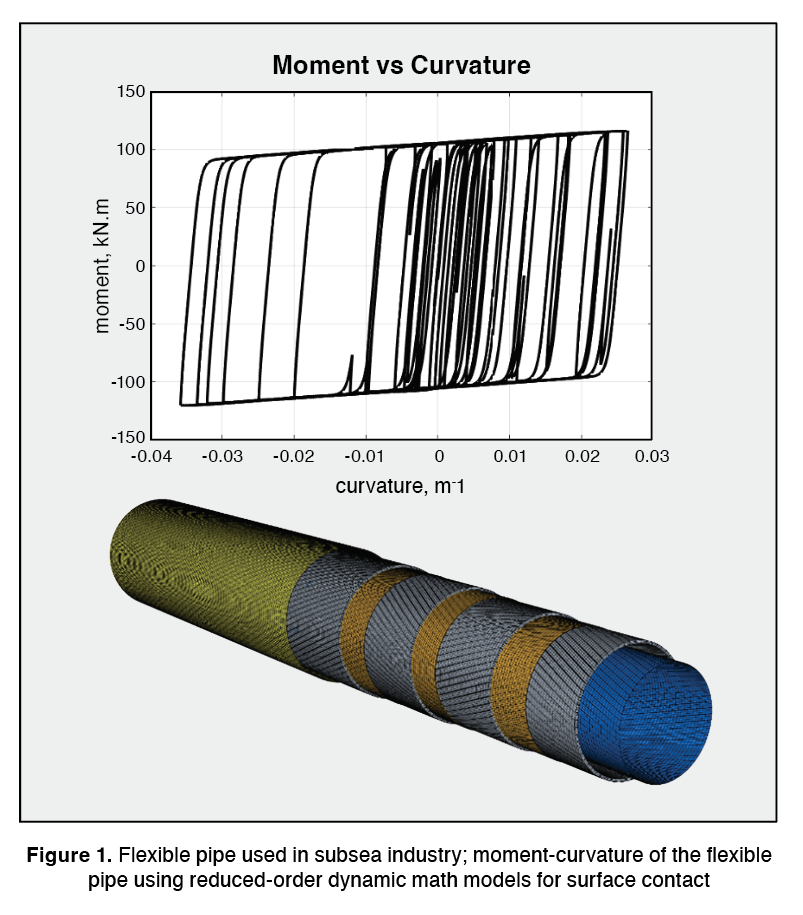
- ● A single bending cycle simulation using full finite element model (FEM) resolution required 48 hours on 36 CPUs.
- ● Using nonlinear dynamic substructures (NDS), the same simulation was executed in seconds on a laptop.
- ● The method utilizes a residual flexibility mixed boundary transformation (RFMB) with added coordinates to track large rotations.
Optimistic Outlook
NDS could revolutionize the design and testing of flexible aerospace components. This could lead to lighter, more efficient, and more resilient structures for launch vehicles and spacecraft.
Pessimistic Outlook
The complexity of implementing and validating NDS models may limit its widespread adoption. Further research is needed to ensure the accuracy and reliability of the simulations across a wider range of applications.

The Signal, Not
the Noise|
Get the week's top 1% of space-tech intelligence synthesized into a 5-minute read. Join 25,000+ aerospace insiders.
Unsubscribe anytime. No spam, ever.