Computational Model Analyzes Failure in Reentry Parachute Energy Modulators
The Gist
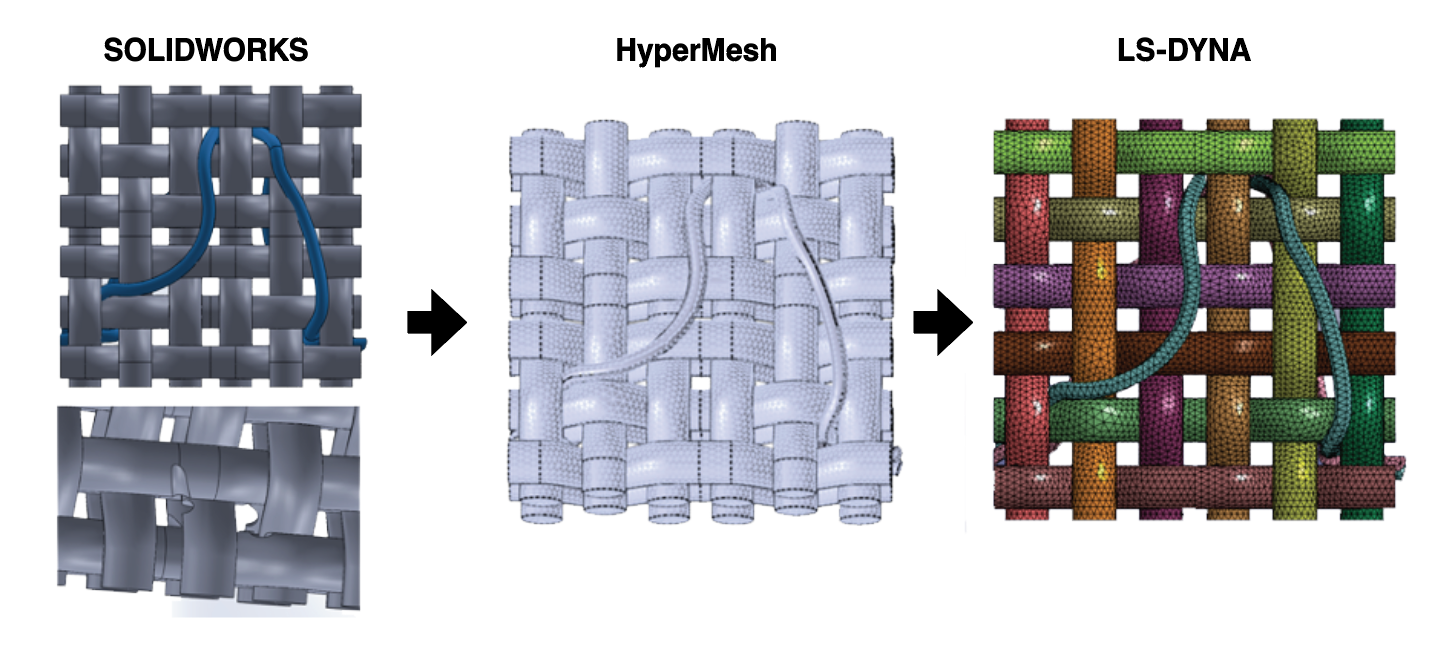
A computational model simulates fabric weave-level failure in reentry parachute energy modulators (EMs).
Explain Like I'm Five
"Imagine a special rope that helps a parachute open smoothly. This research uses computers to understand how the rope can break, so we can make it stronger!"
Deep Intelligence Analysis
_Context: This intelligence report was compiled by the DailyOrbitalWire Strategy Engine. Verified for Art. 50 Compliance._
Impact Assessment
Understanding EM failure mechanisms is crucial for improving parachute reliability. The computational model provides insights into the causes of EM shredding, enhancing safety.
Read Full Story on NASA Breaking NewsKey Details
- ● Energy modulators (EMs) dissipate snatch loads during parachute deployment.
- ● A computational model of an EM was created using LS-DYNA.
- ● The model captures the geometry and material behavior of EM stitching.
- ● Anomalous EM behavior includes skipped stitches and Kevlar webbing shredding.
Optimistic Outlook
The computational model can be used to optimize EM design and improve performance predictability. This could lead to more reliable parachute systems for future missions.
Pessimistic Outlook
The inherent unpredictability of fabric behavior and flight loading conditions makes it challenging to validate the model. Discrepancies between the model and real-world performance could lead to unexpected failures.

The Signal, Not
the Noise|
Get the week's top 1% of space-tech intelligence synthesized into a 5-minute read. Join 25,000+ aerospace insiders.
Unsubscribe anytime. No spam, ever.