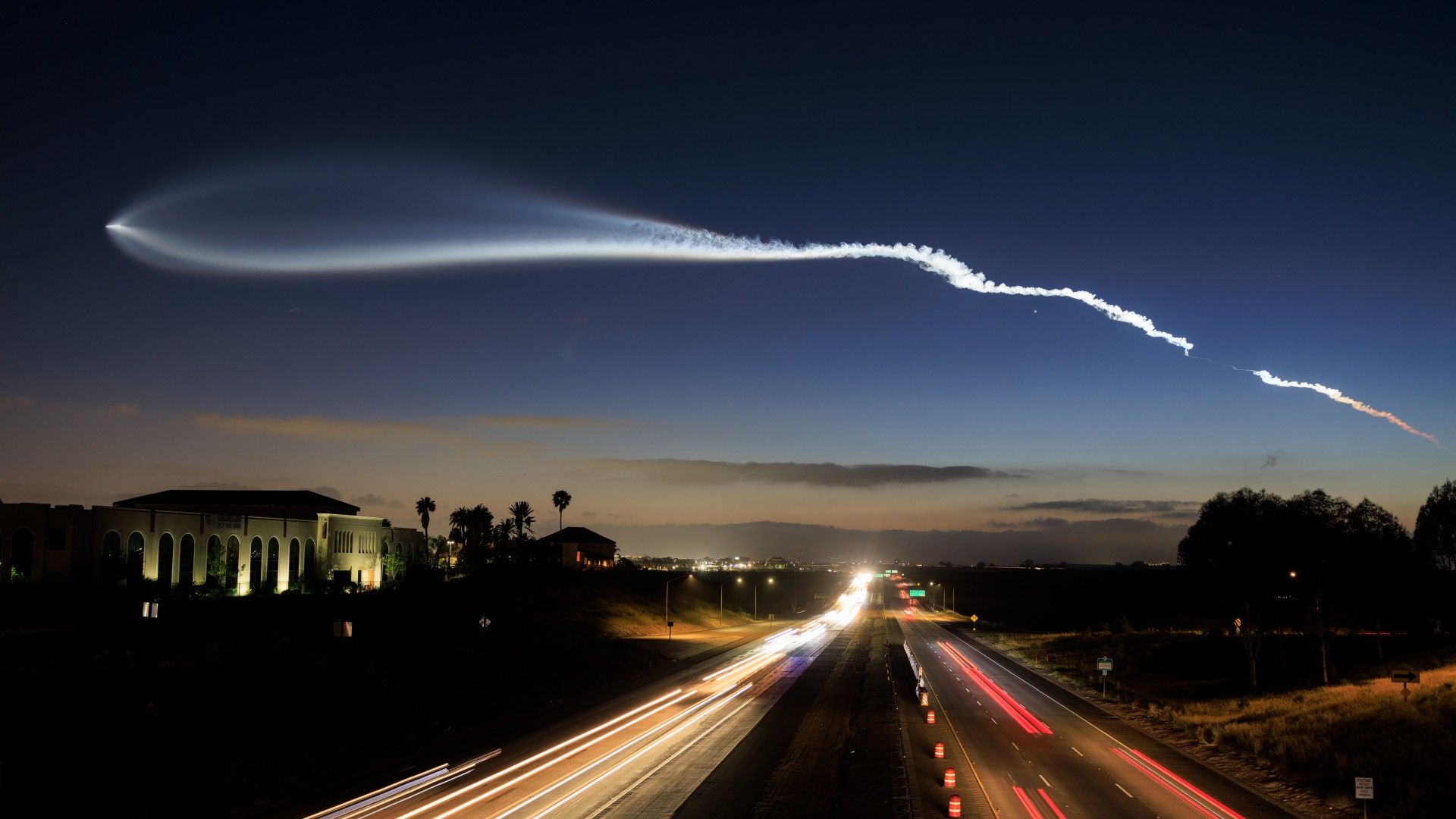
Satellite Megaconstellations: An Unregulated Geoengineering Experiment?
The Gist
Satellite megaconstellations are creating high-altitude air pollution, potentially altering Earth's climate and acting as an unregulated geoengineering experiment.
Explain Like I'm Five
"Imagine lots of tiny helpers in space sending internet to everyone. But sending them up and bringing them down makes pollution high up in the air, which can change the weather. Scientists are worried it's like doing a big experiment without knowing what will happen."
Deep Intelligence Analysis
This pollution, concentrated in the upper layers of the atmosphere, raises concerns about potential climate alterations and unintended environmental consequences. The short lifespan of megaconstellation satellites, necessitating frequent replacements, further exacerbates the problem. The situation is described as an 'unregulated geoengineering experiment' due to the lack of comprehensive regulations and the potential for unforeseen impacts on Earth's climate patterns.
Addressing this challenge requires a multi-faceted approach, including the development of cleaner rocket fuels, the implementation of stricter environmental regulations for the space industry, and further research into the long-term effects of high-altitude air pollution. The balance between technological advancement and environmental sustainability is crucial to ensure the responsible development of the space sector.
_Context: This intelligence report was compiled by the DailyOrbitalWire Strategy Engine. Verified for Art. 50 Compliance._
Impact Assessment
The rapid growth of satellite megaconstellations poses a significant environmental risk due to increased air pollution in the upper atmosphere. This pollution could have unintended consequences on Earth's climate, necessitating further research and regulation.
Read Full Story on Space.comKey Details
- ● Black carbon from satellite launches has 540 times greater climate impact than that from ships, cars, and power plants.
- ● By 2029, megaconstellation launches will account for over 40% of space sector pollution.
- ● Megaconstellation satellites have short lifespans (around 5 years), leading to frequent launches and deorbiting.
Optimistic Outlook
Technological advancements in satellite propulsion, such as the development of cleaner fuels or electric propulsion, could mitigate the environmental impact of launches. Furthermore, increased awareness and regulation could lead to more sustainable practices within the space industry.
Pessimistic Outlook
If the space industry's growth continues unchecked, the increasing air pollution from satellite launches could lead to unpredictable and potentially harmful climate changes. The lack of regulation and the long lifespan of black carbon in the upper atmosphere exacerbate these concerns.

The Signal, Not
the Noise|
Get the week's top 1% of space-tech intelligence synthesized into a 5-minute read. Join 25,000+ aerospace insiders.
Unsubscribe anytime. No spam, ever.