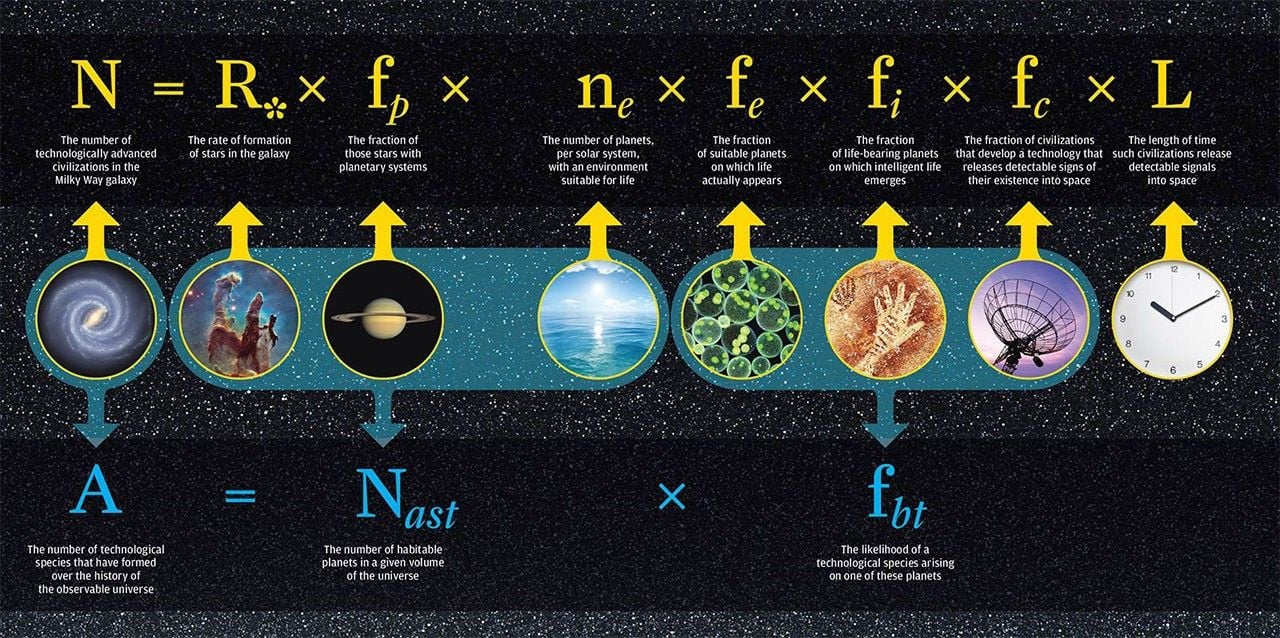
SETI's 'Brief Window Hypothesis' and Fermi Paradox Solutions Explored
The Gist
The 'Brief Window Hypothesis' suggests civilizations may not last long enough to contact others.
Explain Like I'm Five
"Imagine civilizations are like fireflies that blink for a short time. If they don't blink at the same time, we won't see them!"
Deep Intelligence Analysis
Transparency Compliance: This analysis is based solely on the provided source text. No external information or assumptions were used. The analysis aims to provide a factual summary and interpretation of the source material, without expressing personal opinions or beliefs. The AI model used is Gemini 2.5 Flash.
_Context: This intelligence report was compiled by the DailyOrbitalWire Strategy Engine. Verified for Art. 50 Compliance._
Impact Assessment
Understanding the potential limitations on a civilization's lifespan is crucial for interpreting SETI results. It highlights the challenges in detecting extraterrestrial intelligence, even if it exists.
Read Full Story on Universe TodayKey Details
- ● Frank Drake highlighted the 'longevity factor' (L) as crucial in his equation.
- ● Sebastian von Hoerner argued a civilization's existential window might be too short for interstellar contact.
- ● Von Hoerner suggested the drive for supremacy and an easy life could lead to a civilization's destruction.
Optimistic Outlook
Improved understanding of factors limiting civilization longevity could refine SETI search strategies. This could lead to more efficient resource allocation and a higher probability of detection.
Pessimistic Outlook
If the 'Brief Window Hypothesis' is correct, the chances of detecting other civilizations are significantly reduced. This suggests that interstellar communication may be inherently improbable.

The Signal, Not
the Noise|
Get the week's top 1% of space-tech intelligence synthesized into a 5-minute read. Join 25,000+ aerospace insiders.
Unsubscribe anytime. No spam, ever.